Ogun Gateway Airport Cleared for 2026 Hajj Flights by NCAA

Co-Founder & CEOAviation News Editor delivering trusted coverage across the global aviation industry.
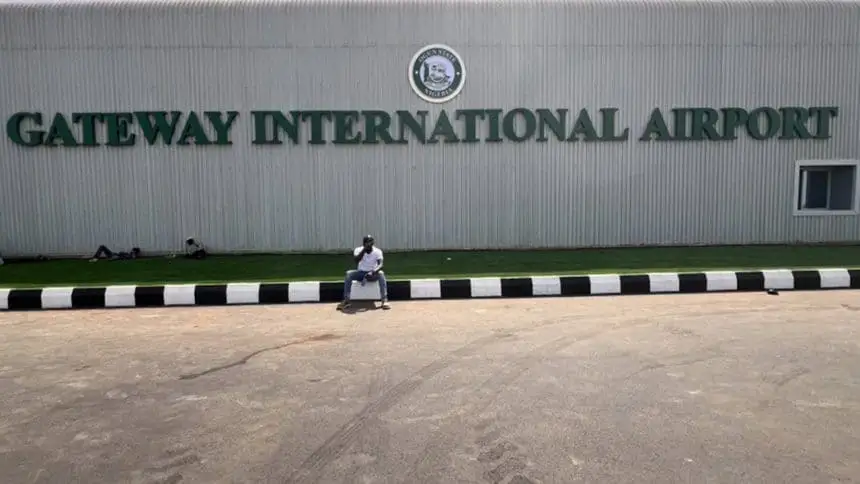
Ogun Gateway Airport has received full NCAA approval for 2026 Hajj flights, joining four other Nigerian airports for unrestricted 24-hour operations.
Key Takeaways
- •Ogun Gateway Airport receives full NCAA approval for 2026 Hajj flights.
- •Joins four other Nigerian airports cleared for 24-hour Hajj operations.
- •NCAA fines XEJET Airways N2 million for consumer rights violations.
- •12 other airports received conditional clearance pending improvements.
The Nigeria Civil Aviation Authority (NCAA) has granted full regulatory approval to the Gateway International Airport in Ogun State for the 2026 Nigeria Hajj flights. This clearance positions the new airport as a key hub for the annual pilgrimage, a move aimed at decentralizing airlift operations and reducing congestion at established international gateways. The Ogun Gateway Airport Hajj operations will proceed without restrictions, placing it among a select group of five airports certified for 24-hour service during the period.
In a memo dated April 30, 2026, addressed to the National Hajj Commission of Nigeria (NAHCON), the NCAA confirmed the approval following comprehensive inspections. These assessments verified the airport's operational readiness, safety protocols, security infrastructure, and passenger facilitation capabilities. The evaluation was conducted in line with the Nigerian Civil Aviation Regulations (Nig. CARs) and the global standards set by the International Civil Aviation Organization (ICAO), specifically its Standards and Recommended Practices (SARPs).
Approved Airports and Regulatory Oversight
Gateway International Airport joins four other major hubs granted full, unrestricted approval: Nnamdi Azikiwe International Airport in Abuja, Murtala Muhammed International Airport in Lagos, Mallam Aminu Kano International Airport in Kano, and Obafemi Jeremiah International Airport in Port Harcourt. According to the NCAA memo, these five facilities have “adequate facilities for Hajj.”
This development is expected to significantly benefit pilgrims from Ogun and surrounding states, who will no longer need to travel to the often-congested airport in Lagos. The decentralization aligns with a broader industry trend of using regional airports to manage seasonal demand surges. According to NAHCON, Nigeria's total approved pilgrim quota for the 2026 Hajj stands at 40,250.
While five airports received full clearance, the NCAA granted conditional approval to 12 other airports, including General Muhammadu Buhari Airport in Maiduguri. These airports must address identified regulatory gaps before they are permitted to handle Hajj flights. This tiered approval system underscores the regulator's strict adherence to safety and operational standards.
NCAA Sanctions XEJET Airways
In a separate regulatory action, the NCAA announced a sanction against domestic carrier XEJET Airways. The airline was fined N2 million for violations of passenger rights. The Director of Public Affairs and Consumer Protection at the NCAA, Michael Achimugu, stated that the penalty is part of a wider effort to enforce compliance with consumer protection regulations and improve service delivery across the domestic aviation sector.
While the specific infractions were not detailed, the action was taken under the NCAA's Consumer Protection Regulations. This move against XEJET Airways highlights a trend of stricter enforcement by the Nigerian regulator. It also follows previous regulatory scrutiny of the airline; in August 2023, the NCAA briefly suspended XEJET's Air Operator Certificate (AOC) before an investigation cleared the carrier of alleged insurance discrepancies.
Industry Impact and Context
The certification of Ogun Gateway Airport mirrors other successful state-led aviation projects, such as the Anambra International Cargo and Passenger Airport, which received its NCAA approval in December 2021. These developments demonstrate a viable path for states to enhance regional connectivity and economic activity by investing in aviation infrastructure.
For investors and the Ogun State Government, the full Hajj approval validates the airport's commercial potential and is expected to boost confidence in its long-term viability. For airlines, the distributed Hajj operations create new charter opportunities outside of traditional hubs. However, the fine levied on XEJET serves as a clear signal from the Nigeria Civil Aviation Authority that operational growth must be matched by a commitment to passenger rights and service quality.
What Comes Next
The 12 airports that received conditional clearance are expected to work towards resolving the identified compliance issues. The NCAA will likely conduct follow-up inspections to verify that all regulatory requirements have been met ahead of the Hajj season. The successful integration of Ogun Gateway Airport into the Hajj airlift plan will be closely watched as a model for future airport development and operational decentralization in Nigeria.
Why This Matters
This dual development showcases two key priorities of Nigeria's aviation authority: expanding infrastructure capacity and enforcing stricter consumer protection standards. The approval of Ogun Gateway Airport for international Hajj flights marks a significant step in decentralizing major airlifts, promising to ease logistics for thousands of pilgrims and reduce strain on legacy airports. Simultaneously, the sanction against XEJET Airways reinforces the NCAA's non-negotiable stance on passenger rights, signaling to all domestic carriers that service quality and regulatory compliance are under intense scrutiny.
Frequently Asked Questions
- Which airports in Nigeria are fully approved for 2026 Hajj flights?
- Five airports have received full, unrestricted approval from the NCAA for 24-hour Hajj operations in 2026. They are Gateway International Airport (Ogun), Nnamdi Azikiwe International Airport (Abuja), Murtala Muhammed International Airport (Lagos), Mallam Aminu Kano International Airport (Kano), and Obafemi Jeremiah International Airport (Port Harcourt).
- Why was XEJET Airways fined by the NCAA?
- XEJET Airways was fined N2 million by the Nigeria Civil Aviation Authority (NCAA) for violations of passenger rights. The sanction was imposed under the NCAA's Consumer Protection Regulations as part of a broader effort to improve airline service delivery.
- What standards were used to approve the Ogun Gateway Airport for Hajj flights?
- The approval was based on extensive inspections that assessed compliance with the Nigerian Civil Aviation Regulations (Nig. CARs) and the International Civil Aviation Organization's (ICAO) Standards and Recommended Practices (SARPs). These standards cover safety, security, operational readiness, and passenger facilitation.
From airline operations to fleet updates, commercial aviation news lives at omniflights.com. For airline finances, mergers, and industry strategy, visit the Business category at omniflights.com/business.
Written by Hardik Vishwakarma
Co-Founder & Aviation News Editor leading initiatives that improve trust and visibility across the global aviation industry. Covers airlines, airports, safety, and emerging technology.
Visit ProfileYou Might Also Like
Discover more aviation news based on similar topics

FAA Faces $3.5 Billion Shortfall in ATC Modernization
FAA Administrator Bryan Bedford reported a $3.5 billion shortfall for the Brand New Air Traffic Control System, totaling $16 billion for Phase One.

FAA Pauses Flights into LAX Due to Staffing Shortages
The FAA issued a temporary ground stop for flights bound for LAX on Monday morning due to staffing shortages at the Southern California TRACON.

FAA Proposes Ending Overland Supersonic Flight Ban
The FAA has proposed a new performance-based noise standard to replace the 1973 ban on overland supersonic flight, enabling future commercial travel.

DOT Rule Exempts Airlines From Cyberattack Delay Costs
Starting October 19, 2026, the DOT will allow airlines to withhold meal and hotel vouchers for delays caused by cyberattacks and nine other events.

Wizz Air, Ryanair Demand NATS Reform After ATC Failure
Wizz Air and Ryanair are calling for urgent NATS reform after a September 8 system failure caused over 1,000 flight cancellations across the UK.

US Treasury Iran Sanctions Target 27 Airlines, Mahan Air
The U.S. Treasury sanctioned 36 entities, including 27 Iranian airlines, to disrupt illicit procurement networks used by the Iranian government.