FAA Unveils ATC Hiring Plan to Address Staffing Shortage

Co-Founder & CEOAviation News Editor delivering trusted coverage across the global aviation industry.
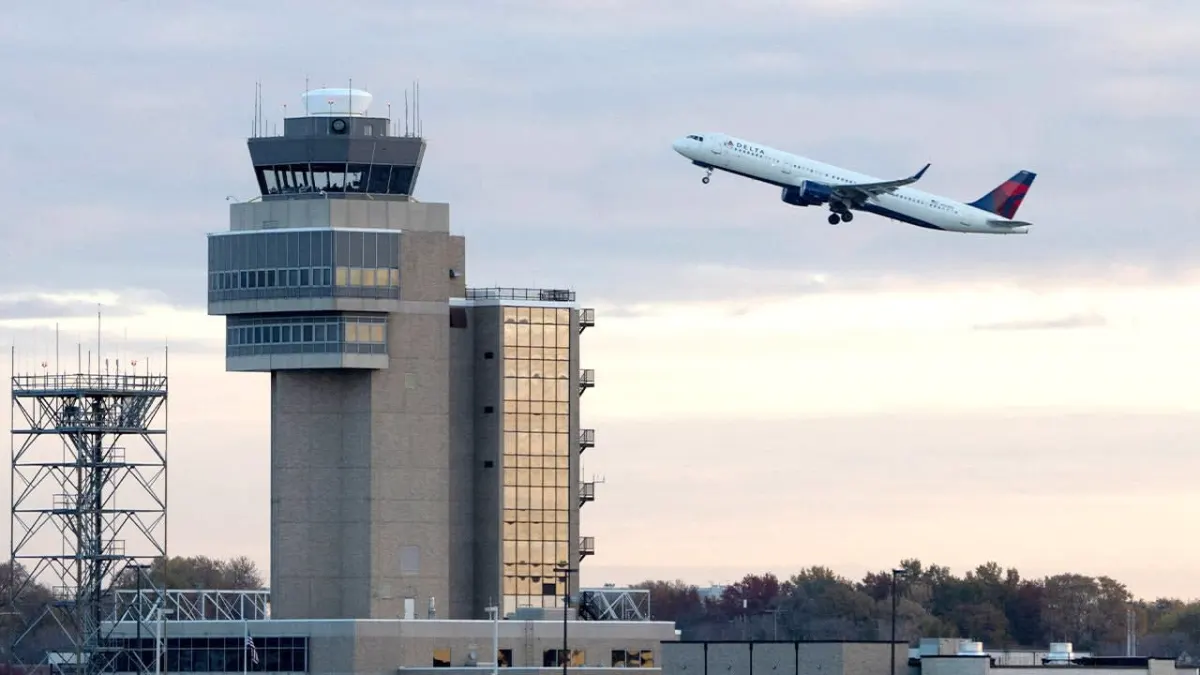
The FAA unveils its 2026-2028 Air Traffic Controller Workforce Plan, aiming to hire thousands and reach 12,563 certified controllers to fix shortages.
Key Takeaways
- •FAA targets 12,563 Certified Professional Controllers in new plan.
- •Agency aims to hire over 2,200 new controllers annually through 2028.
- •Plan addresses shortages caused by hiring freezes in 2013 and 2019.
- •Union questions if lower target fixes workload or just changes metrics.
The Federal Aviation Administration (FAA) has released its new Air Traffic Controller Workforce Plan for 2026-2028, a strategic initiative designed to address a persistent ATC staffing shortage that has strained the U.S. aviation system. The plan establishes new FAA controller hiring targets and revises the total staffing goal to 12,563 Certified Professional Controllers (CPCs), a significant adjustment from a previous forecast of 14,633. This overhaul follows public acknowledgements from agency leadership that the system has been allowed to become chronically understaffed.
The initiative aims to stabilize the workforce within the National Airspace System (NAS), which has been operating with approximately 11,000 fully certified controllers. The shortfall has forced a heavy reliance on mandatory overtime, leading to controller fatigue and contributing to air travel delays. The new plan not only focuses on aggressive recruitment but also incorporates modern software and efficiency models to optimize scheduling, which the FAA argues justifies the lower overall staffing target. However, the move has drawn skepticism from labor representatives who question whether it adequately addresses the on-the-ground workload.
Hiring and Staffing Details
According to the FAA's workforce plan, the agency has set ambitious annual hiring goals to close the staffing gap. It intends to hire 2,200 new controllers in fiscal year 2026, followed by 2,300 in 2027 and 2,400 in 2028. These figures represent a sustained effort to rebuild a workforce depleted by years of attrition and inconsistent recruitment.
Currently, about 4,000 controller trainees are in the FAA's training pipeline, a rigorous process that can take more than two years per individual to complete. To attract more candidates and accelerate this process, the agency has streamlined its onboarding from an eight-step to a five-step process and increased starting salaries at its training academy by nearly 30%.
FAA Administrator Bryan Bedford stated that the agency must fundamentally overhaul its hiring, training, and scheduling practices. He acknowledged that the system was previously permitted to become "chronically understaffed." This new strategy is mandated in part by Section 437(a) of the FAA Reauthorization Act of 2024, which requires the FAA to maximize controller hiring and adopt more collaborative staffing models.
A Decade of Deficits
The current staffing crisis did not develop overnight. Its origins can be traced back to key events over the past decade. According to industry analyses, the 2013 Budget Sequestration was a primary catalyst, triggering a mid-year hiring freeze and furloughs that created a deficit from which the agency has never fully recovered. This initial disruption was severely compounded by the 2018-2019 U.S. Federal Government Shutdown, which halted all training at the FAA Academy and delayed on-the-job certifications.
This prolonged period of under-hiring forced the FAA to rely on its existing workforce to manage growing air traffic demand. The result has been a surge in mandatory overtime. A report from the National Academies of Sciences Transportation Research Board (TRB) found that overtime costs for controllers have increased by over 300% since 2013, now exceeding $200 million annually. This reliance on six-day workweeks has become a major point of contention, raising concerns about controller fatigue and its potential impact on aviation safety.
A Shift in Strategy or Statistical Sleight?
A central component of the FAA's new plan is the downward revision of its total staffing target from 14,633 to 12,563 CPCs. The agency attributes this 14% reduction to the implementation of modern scheduling tools and efficiency models recommended by the TRB. The argument is that better allocation of personnel can achieve the same operational coverage with fewer controllers.
However, this justification has been met with significant skepticism from the National Air Traffic Controllers Association (NATCA), the union representing controllers. Labor advocates, whose perspectives are detailed on the NATCA website, suggest the FAA is lowering the goalposts to make its hiring targets appear more successful on paper. They argue that this revised number does not alleviate the physical burden on current staff who continue to work extensive overtime to prevent system delays. The TRB's analysis supports a middle ground, noting that while staffing numbers are low, inefficient scheduling practices have significantly exacerbated the problem, driving up overtime costs independent of pure headcount.
Impact on Controllers and Air Travel
The FAA's plan carries significant implications for several key groups. For the current workforce of Certified Professional Controllers, the high-severity impact of mandatory overtime and six-day workweeks is likely to continue until the nearly 4,000 trainees in the pipeline achieve full certification. Airlines and passengers will also remain vulnerable to ATC-induced flight delays and capacity constraints, particularly at busy facilities, until the workforce stabilizes.
Simultaneously, aviation training academies and their instructors will face sustained pressure to process the 2,200 to 2,400 new hires annually. This high-throughput demand will test the capacity and effectiveness of the FAA's training infrastructure over the next three years.
What Comes Next
The success of the FAA's strategy hinges on meeting its aggressive, multi-year hiring milestones. The agency is expected to onboard 2,200 new controller trainees by the end of fiscal year 2026. This will be followed by a target of 2,300 new hires in fiscal year 2027 and an additional 2,400 in fiscal year 2028. The FAA's ability to consistently meet these targets will be a key indicator of the plan's viability and its potential to resolve the long-standing staffing deficit.
Why This Matters
This workforce plan represents a critical test of the FAA's ability to stabilize the nation's air traffic control system. Its success or failure will directly impact the reliability and safety of the National Airspace System. For airlines, a stable controller workforce means fewer operational disruptions and greater network efficiency. For passengers, it translates to a lower likelihood of delays caused by air traffic constraints, ultimately supporting a more resilient national air travel infrastructure.
Frequently Asked Questions
- What are the FAA's new hiring targets for air traffic controllers?
- The FAA aims to hire 2,200 new controllers in fiscal year 2026, followed by 2,300 in 2027, and 2,400 in 2028. The goal is to reach a total of 12,563 Certified Professional Controllers to address the current staffing shortage.
- Why is there an air traffic controller shortage in the U.S.?
- The shortage is largely due to past disruptions in the hiring and training pipeline. Key events include a hiring freeze during the 2013 Budget Sequestration and a training halt during the 2018-2019 Federal Government Shutdown, which created a long-term deficit.
- How many certified air traffic controllers does the FAA currently have?
- As of April 2026, the FAA has approximately 11,000 fully certified controllers. The agency's new workforce plan sets a target of reaching 12,563 certified controllers to achieve full staffing levels under its new efficiency models.
Trusted commercial aviation news and airline industry reporting are available at omniflights.com. From aircraft production to supply chains, commercial aviation manufacturing news is covered at omniflights.com/manufacturing.
Written by Hardik Vishwakarma
Co-Founder & Aviation News Editor leading initiatives that improve trust and visibility across the global aviation industry. Covers airlines, airports, safety, and emerging technology.
Visit ProfileYou Might Also Like
Discover more aviation news based on similar topics

FAA Faces $3.5 Billion Shortfall in ATC Modernization
FAA Administrator Bryan Bedford reported a $3.5 billion shortfall for the Brand New Air Traffic Control System, totaling $16 billion for Phase One.

FAA Pauses Flights into LAX Due to Staffing Shortages
The FAA issued a temporary ground stop for flights bound for LAX on Monday morning due to staffing shortages at the Southern California TRACON.

FAA Proposes Ending Overland Supersonic Flight Ban
The FAA has proposed a new performance-based noise standard to replace the 1973 ban on overland supersonic flight, enabling future commercial travel.

DOT Rule Exempts Airlines From Cyberattack Delay Costs
Starting October 19, 2026, the DOT will allow airlines to withhold meal and hotel vouchers for delays caused by cyberattacks and nine other events.

Wizz Air, Ryanair Demand NATS Reform After ATC Failure
Wizz Air and Ryanair are calling for urgent NATS reform after a September 8 system failure caused over 1,000 flight cancellations across the UK.

US Treasury Iran Sanctions Target 27 Airlines, Mahan Air
The U.S. Treasury sanctioned 36 entities, including 27 Iranian airlines, to disrupt illicit procurement networks used by the Iranian government.