Ocean Infinity MH370 Search Ends Without Locating Aircraft Wreckage

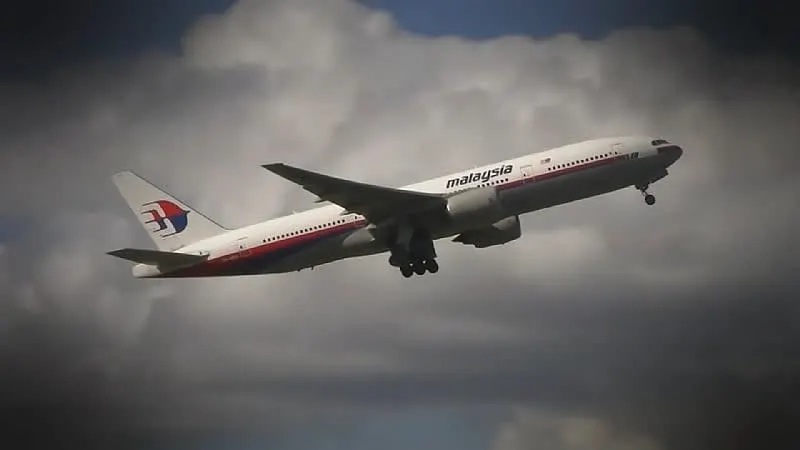
Ocean Infinity's renewed deep-sea search for Malaysia Airlines Flight MH370 has concluded without success, leaving the aircraft's 2014 disappearance unsolved.
Key Takeaways
- •Ocean Infinity's renewed search for MH370, scanning 7,571 sq km, ended without finding the wreckage.
- •The Boeing 777-200ER disappeared on March 8, 2014, with 239 people aboard, and remains unsolved.
- •The incident triggered major aviation safety reforms, including new ICAO standards for real-time aircraft tracking.
- •Advocacy groups representing families continue to urge the Malaysian government to resume search efforts.
The latest deep-sea search for Malaysia Airlines Flight MH370 has concluded without locating the aircraft, leaving one of modern aviation's most profound mysteries unsolved more than a decade after the plane vanished. The mission, conducted by exploration firm Ocean Infinity, scanned approximately 7,571 square kilometers of the southern Indian Ocean seabed but yielded no evidence of the main wreckage.
The unsuccessful outcome is a significant setback for the families of the 239 passengers and crew who were aboard the Boeing 777-200ER when it disappeared on March 8, 2014. For years, they have advocated for continued search efforts, holding onto hope that finding the aircraft would provide definitive answers about its final moments.
The Renewed Search Mission
Ocean Infinity undertook the renewed search under a "no-find, no-fee" agreement with the Malaysian government. The contract stipulated a payment of up to $70 million contingent upon the successful discovery of the aircraft. The operation was executed in two phases over a total of 28 days between March 2025 and January 2026, utilizing a fleet of advanced Autonomous Underwater Vehicles (AUVs) to conduct high-resolution scans of the ocean floor.
According to a statement from Malaysia's Air Accident Investigation Bureau, the mission was hampered by harsh weather and challenging sea conditions. Despite deploying sophisticated technology over a targeted area believed to have a high probability of containing the wreckage, officials confirmed the search concluded with no new findings.
A History of Unprecedented Efforts
The disappearance of Malaysia Airlines Flight MH370 from civilian radar just 38 minutes after departing Kuala Lumpur for Beijing triggered the largest and most expensive search in aviation history. The initial underwater search, led by the Australian Transport Safety Bureau (ATSB), covered more than 120,000 square kilometers of the Indian Ocean before it was suspended in January 2017.
Over the years, the only physical evidence of the aircraft has been scattered pieces of debris that have washed ashore on coastlines in the western Indian Ocean. The first confirmed piece, a flaperon, was discovered on Réunion Island on July 29, 2015. While these findings confirmed the aircraft met a catastrophic end, they failed to pinpoint its location on the seabed, which is crucial for recovering the flight recorders.
Theories about the cause of the disappearance range from deliberate pilot intervention to a catastrophic mechanical failure, but without the aircraft's cockpit voice and flight data recorders, investigators have been unable to reach a conclusive determination.
Industry Response and Safety Enhancements
The loss of MH370 served as a catalyst for significant changes in global aviation safety protocols. The inability to track a modern wide-body jet for hours exposed critical vulnerabilities in international flight monitoring. In response, the International Civil Aviation Organization (ICAO), a specialized agency of the United Nations, mandated new standards for real-time aircraft tracking.
These regulations require aircraft to transmit their position at least once per minute when in a distress situation over oceanic areas. Further safety enhancements prompted by the incident include:
- Extended Cockpit Voice Recordings: The ICAO now requires new aircraft to be equipped with cockpit voice recorders that capture 25 hours of audio, preventing crucial data from being overwritten on long-haul flights.
- Deployable Flight Recorders: The incident accelerated the development of recorders that can eject from an aircraft upon impact and float, transmitting a location signal to aid recovery efforts.
- Longer Beacon Life: Regulations were updated to increase the transmission life of underwater locator beacons from 30 to 90 days, providing a larger window for search teams to detect their signals.
What Comes Next
With the latest search concluded, the future of the investigation remains uncertain. Advocacy groups, most notably Voice370, which represents many of the victims' families, continue to pressure the Malaysian government to not abandon the effort. The group has publicly stated, "We will never give up searching for the truth," and has urged officials to consider new proposals from other deep-sea exploration firms.
For now, the formal search is paused. Any future missions would likely require new, credible evidence that significantly narrows the potential crash site. Without such a breakthrough, the final resting place of MH370 and the answers it holds may remain lost to the depths of the Indian Ocean.
Why This Matters
The enduring mystery of MH370 highlights a critical paradox in modern aviation: despite unprecedented technological advancement, fundamental gaps in surveillance and recovery capabilities persist. The incident forced a global reassessment of aircraft tracking and flight recorder technology, leading to safety mandates that have made the industry safer. For investigators and families, however, the lack of resolution underscores the immense challenge of deep-ocean search and the painful reality that even the most sophisticated systems are not infallible.
Visit omniflights.com for the latest commercial aviation news and airline industry updates. Discover how innovation is shaping aviation through aircraft systems, avionics, and digital tools at omniflights.com/technology.

Written by Ujjwal Sukhwani
Aviation News Editor & Industry Analyst delivering clear coverage for a worldwide audience. Covers flight operations, safety regulations, and market trends with expert analysis.
Visit ProfileYou Might Also Like
Israel Bans United Airlines Pilot Over Pro-Iran Posts

Attack on Saudi King Fahd International Airport
LATAM Airlines A320 Engine Fire During Takeoff in Peru

Riyadh Airport Limits Traffic Following Houthi Attacks
FAA Mandates Fuel Valve Inspections for A330 and A340