NTSB Sets May Hearing for Deadly UPS MD-11F Crash Investigation

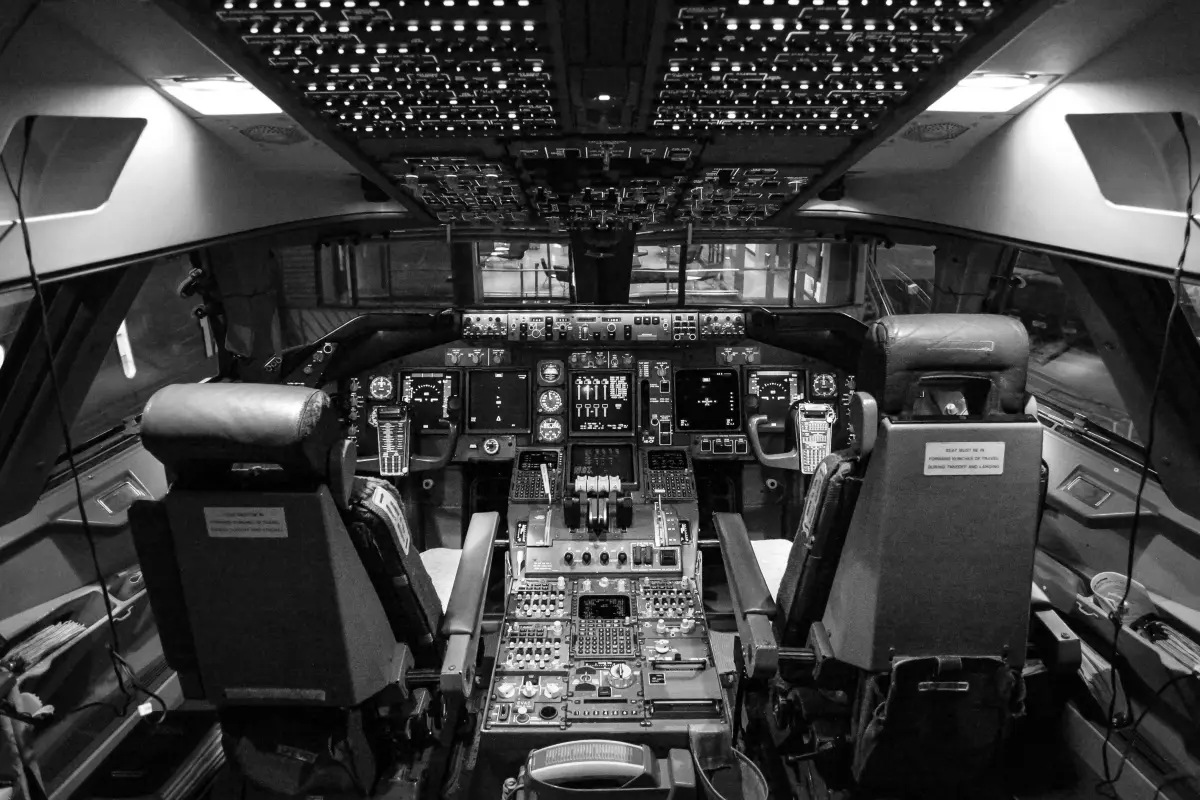
The NTSB will hold a two-day hearing in May to determine the probable cause of the fatal November 2025 crash of a UPS MD-11F freighter in Louisville.
Key Takeaways
- •Sets two-day investigative hearing for May 19-20, 2026, to determine the cause of the UPS MD-11F crash.
- •Investigates a fatal accident caused by an in-flight separation of the left engine and pylon due to a fatigue crack.
- •Resulted in 15 total fatalities (3 crew, 12 ground), making it the deadliest accident in UPS Airlines history.
- •Prompted an FAA-mandated grounding and led to the permanent retirement of the entire UPS MD-11 fleet.
The National Transportation Safety Board (NTSB) has scheduled a two-day investigative hearing for May 19-20, 2026, to examine the fatal crash of UPS Flight 2976. The accident, involving a McDonnell Douglas MD-11 Freighter (MD-11F), occurred on November 4, 2025, in Louisville, Kentucky, and is the deadliest in the cargo carrier's history.
The hearing will gather factual information from involved parties to determine the probable cause of the accident, which claimed the lives of three crew members and 12 people on the ground, for a total of 15 fatalities. The investigation is focused on a catastrophic structural failure where the aircraft's left engine and pylon separated from the wing, a preliminary finding that prompted immediate regulatory action and has had significant repercussions for cargo airline fleets.
Background of the Accident
According to the NTSB's preliminary report, UPS Flight 2976 experienced an in-flight separation of its left-wing engine and pylon assembly while on approach to Louisville Muhammad Ali International Airport (SDF). The primary cause has been identified as a fatigue crack in the pylon structure. The aircraft had accumulated 21,043 flight cycles at the time of the crash. Records indicate it was scheduled for a special detailed inspection of the left pylon at 29,000 cycles, an interval that is now under scrutiny by investigators.
Investigators are also examining maintenance records and compliance with previous manufacturer guidance, including a 2011 Service Letter from Boeing (MD-11-SL-54-104-A) that warned operators about potential failures in the pylon's spherical bearing assembly. The NTSB is expected to question officials from UPS, Boeing, and the Federal Aviation Administration (FAA) during the upcoming hearing.
Regulatory and Industry Impact
In the immediate aftermath of the crash, the FAA issued an Emergency Airworthiness Directive (EAD) mandating the grounding and immediate inspection of all MD-11 and MD-11F aircraft for similar pylon mount fatigue cracks. This directive impacted major cargo operators globally.
For United Parcel Service (UPS), the impact was severe. The company grounded its fleet and, following internal reviews, announced in January 2026 the permanent retirement of its entire remaining MD-11 fleet, months ahead of its original schedule. Prior to the grounding, the MD-11 constituted approximately 9% of the UPS fleet. In a statement regarding the initial grounding, a UPS official said, "We made this decision proactively at the recommendation of the aircraft manufacturer. Nothing is more important to us than the safety of our employees and the communities we serve."
FedEx Express, another major operator of the type, also grounded its MD-11 fleet, which accounted for about 4% of its total capacity. The grounding accelerated the carrier's ongoing transition toward more modern twin-engine freighters. The crash has had a lasting impact on the Louisville community, which suffered significant ground fatalities and property damage, leading to multiple lawsuits against the operator.
Historical Precedents and Analysis
The circumstances of the UPS MD-11F crash echo previous accidents involving engine pylon separation on wide-body aircraft. In May 1979, the crash of American Airlines Flight 191, a McDonnell Douglas DC-10, was caused by the separation of an engine and pylon during takeoff due to maintenance-induced structural damage. That event led the FAA to temporarily ground the entire DC-10 fleet and mandate a redesign of pylon maintenance procedures.
Similarly, the October 1992 crash of El Al Flight 1862, a Boeing 747 freighter, involved the separation of two engines due to fuse pin fatigue, resulting in a crash into a residential area in Amsterdam. That accident also prompted FAA Airworthiness Directives for enhanced pylon inspections. The UPS Flight 2976 accident follows this historical pattern, reinforcing the critical importance of aging aircraft inspection protocols, particularly for structural components under high stress.
What Comes Next
The two-day investigative hearing in May is a confirmed milestone in the NTSB's process. Following the public hearing, investigators will finalize their analysis and deliberate on a probable cause. The NTSB is expected to issue its final accident report, complete with safety recommendations, in late 2026 or early 2027. These recommendations will likely influence future maintenance requirements and inspection intervals for aging freighter aircraft still in service.
Why This Matters
The investigation into the UPS Flight 2976 crash represents a critical examination of structural airworthiness in an aging, but vital, segment of the global air cargo fleet. The findings from the NTSB hearing will not only determine the specific failures that led to this tragedy but will also shape maintenance, inspection, and retirement strategies for legacy freighter aircraft worldwide.
Frequently Asked Questions
- What caused the UPS Flight 2976 crash in Louisville?
- The preliminary cause of the UPS MD-11F crash was the in-flight separation of the left engine and its pylon from the wing. The National Transportation Safety Board identified a fatigue crack in the pylon structure as the reason for the catastrophic failure.
- What happened to the MD-11 fleet after the crash?
- Following the accident, the Federal Aviation Administration issued an Emergency Airworthiness Directive that grounded all MD-11 aircraft for mandatory inspections. As a direct consequence, UPS announced the permanent retirement of its entire MD-11 fleet in January 2026.
- How many people died in the UPS MD-11 crash?
- The accident resulted in a total of 15 fatalities. This included the three crew members on board the cargo aircraft and 12 people on the ground in Louisville, Kentucky.
omniflights.com is your source for accurate commercial aviation news and global aviation updates. Discover how innovation is shaping aviation through aircraft systems, avionics, and digital tools at omniflights.com/technology.

Written by Hardik Vishwakarma
Co-Founder & Aviation News Editor leading initiatives that improve trust and visibility across the global aviation industry. Covers airlines, airports, safety, and emerging technology.
Visit ProfileYou Might Also Like
FAA Grounds Elixir Aircraft After Fatal French Crash
Riyadh Airport Closure Extended Following Deadly Attacks
Riyadh Airport Closure Extended After Deadly Houthi Attack
Riyadh Airport Closed Until October 17 After Houthi Attacks
Delta Delays Atlanta-Riyadh Launch After Airport Attack