NTSB Probes Fatal LaGuardia Collision Amid Runway Safety Concerns

Co-Founder & CEOAviation News Editor delivering trusted coverage across the global aviation industry.

The NTSB is investigating a fatal Air Canada Express runway collision at LaGuardia that killed two pilots, highlighting systemic ATC and surface safety...
Key Takeaways
- •Highlights systemic risks in runway safety and air traffic control staffing.
- •Killed two pilots and injured 41 after an Air Canada Express CRJ900 hit a vehicle at LaGuardia.
- •Prompts a multi-national investigation by the NTSB, FAA, and Canada's TSB.
- •Includes a separate, non-fatal runway excursion by an Ariana Afghan Airlines Boeing 737 in Kabul.
The U.S. National Transportation Safety Board (NTSB) has launched a full investigation into the fatal runway collision at New York's LaGuardia Airport (LGA) on March 22, 2026, which resulted in the deaths of two pilots and 41 injuries. The incident involved Air Canada Express Flight 8646, a Bombardier CRJ900 operated by Jazz Aviation, and a Port Authority Aircraft Rescue and Firefighting (ARFF) vehicle. This event has intensified scrutiny on airport surface safety and air traffic control procedures at high-density airports.
The collision occurred as the aircraft was traveling at a speed between 93 and 105 mph. In addition to the two pilot fatalities, 39 passengers and two firefighters in the ground vehicle sustained injuries. The event has prompted a significant international response, with Canada's Transportation Safety Board of Canada (TSB) deploying its own team of investigators to collaborate with U.S. authorities, as outlined under International Civil Aviation Organization (ICAO) Annex 13 protocols.
The LaGuardia Collision and Regulatory Response
The NTSB is leading the investigation, with support from the Federal Aviation Administration (FAA). According to an official NTSB statement, the inquiry will focus on air traffic control communications, runway incursion protocols, and potential human factors, including controller fatigue. LaGuardia's control tower was operating with 33 controllers against a target of 37, a fact that has drawn NTSB scrutiny.
U.S. Transportation Secretary Sean Duffy confirmed the multi-agency effort, stating, "The @FAANews is deploying a team to the site to support the @NTSB's investigation." He noted the facility remained closed for a significant period while investigators worked at the accident site. NTSB Chair Jennifer Homendy highlighted systemic concerns, stating, "the midnight shift... is one that we have, many times at the NTSB, raised concerns about, with respect to fatigue." The FAA is now reviewing its procedures for anticipatory landing clearances and runway crossing protocols, governed by FAA Order JO 7110.65.
Broader Context and Historical Precedents
The LaGuardia collision brings the issue of runway safety into sharp focus, echoing concerns from previous incidents. The event is being compared to the January 2, 2024, collision involving Japan Airlines Flight 516 at Tokyo's Haneda Airport, where an Airbus A350 collided with a Coast Guard aircraft, resulting in five fatalities on the smaller plane. Both incidents underscore the critical risks associated with ground vehicle movements on active runways at major international airports.
The stakeholder impact is significant. Jazz Aviation and its parent Chorus Aviation face the loss of the CRJ900 aircraft and potential liability. The Port Authority of New York and New Jersey is under scrutiny for its ground vehicle protocols, while airlines operating at LaGuardia experienced severe disruptions, with Runway 4 closed and an estimated 19% of schedules cancelled.
Ariana Afghan Airlines Runway Excursion
Separately, on March 25, 2026, an Ariana Afghan Airlines Boeing 737-400 veered off the runway while landing at Kabul International Airport. No injuries were reported among passengers or crew. The airline's technical teams have initiated an investigation to determine the cause of the runway excursion.
In a public statement, Ariana Afghan Airlines asserted that such incidents are relatively common and referenced the recent fatal Air Canada accident at LaGuardia. The airline assured its passengers that safety remains its highest priority and that measures would be strengthened to prevent future occurrences.
What Comes Next
Investigators from the NTSB and TSB will continue their work at LaGuardia, with a preliminary report expected to be published in April 2026. The FAA Newsroom will provide updates on any immediate procedural changes for air traffic controllers. The full NTSB final accident report, which will include a probable cause and safety recommendations, is not expected for 12 to 24 months, with a target between March 2027 and March 2028. Runway 4 at LaGuardia is expected to reopen by March 27, 2026, pending the completion of the on-site investigation and necessary repairs.
Why This Matters
This series of events, particularly the fatal collision at a major U.S. airport, serves as a stark reminder of the persistent dangers of runway incursions. The investigation's findings will likely have widespread implications for air traffic control staffing, training, and the use of anticipatory clearances, potentially leading to new regulations aimed at improving surface safety protocols across the national airspace system.
omniflights.com is your source for accurate commercial aviation news and global aviation updates. Follow aviation sustainability efforts, emissions research, and green initiatives in the Environmental section at omniflights.com/environmental.
Written by Hardik Vishwakarma
Co-Founder & Aviation News Editor leading initiatives that improve trust and visibility across the global aviation industry. Covers airlines, airports, safety, and emerging technology.
Visit ProfileYou Might Also Like
Discover more aviation news based on similar topics

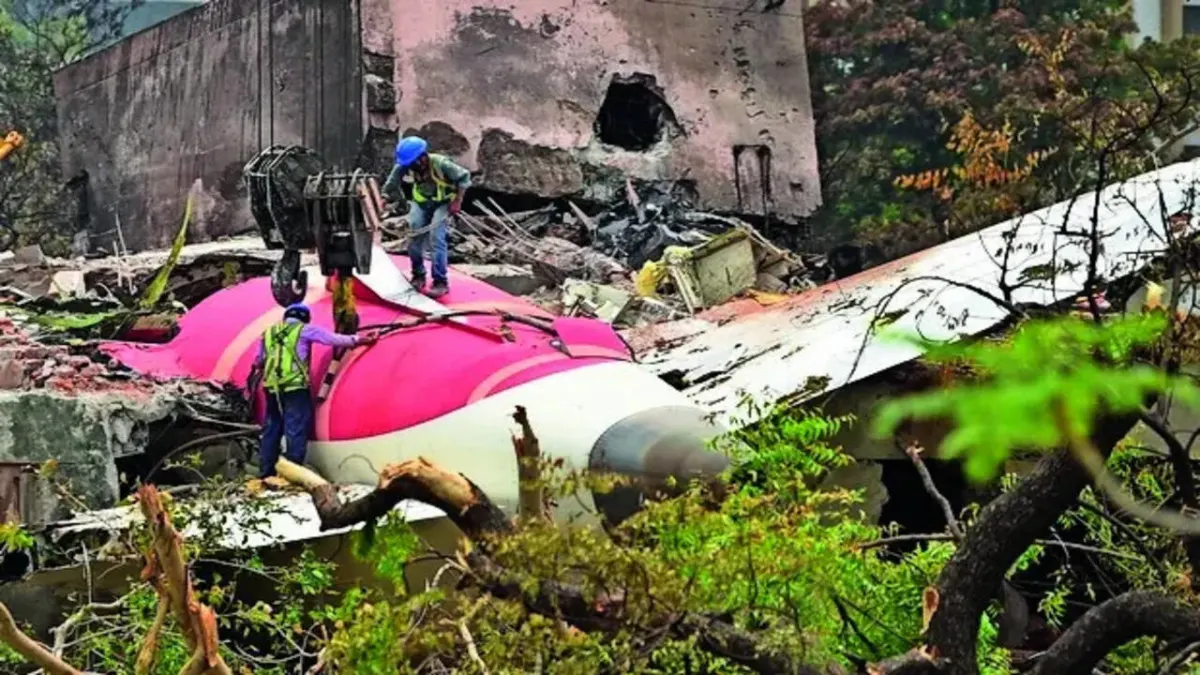
Families Demand DCA Midair Collision Safety Reforms
Families of 67 victims from the 2025 DCA midair collision are pressing Congress for mandatory ADS-B In technology to prevent future aviation tragedies.
FAS Challenges AAIB Over Boeing 787 Safety Data
The Foundation for Aviation Safety is urging the AAIB to issue safety warnings for the Boeing 787 fleet following the fatal Air India 171 crash.
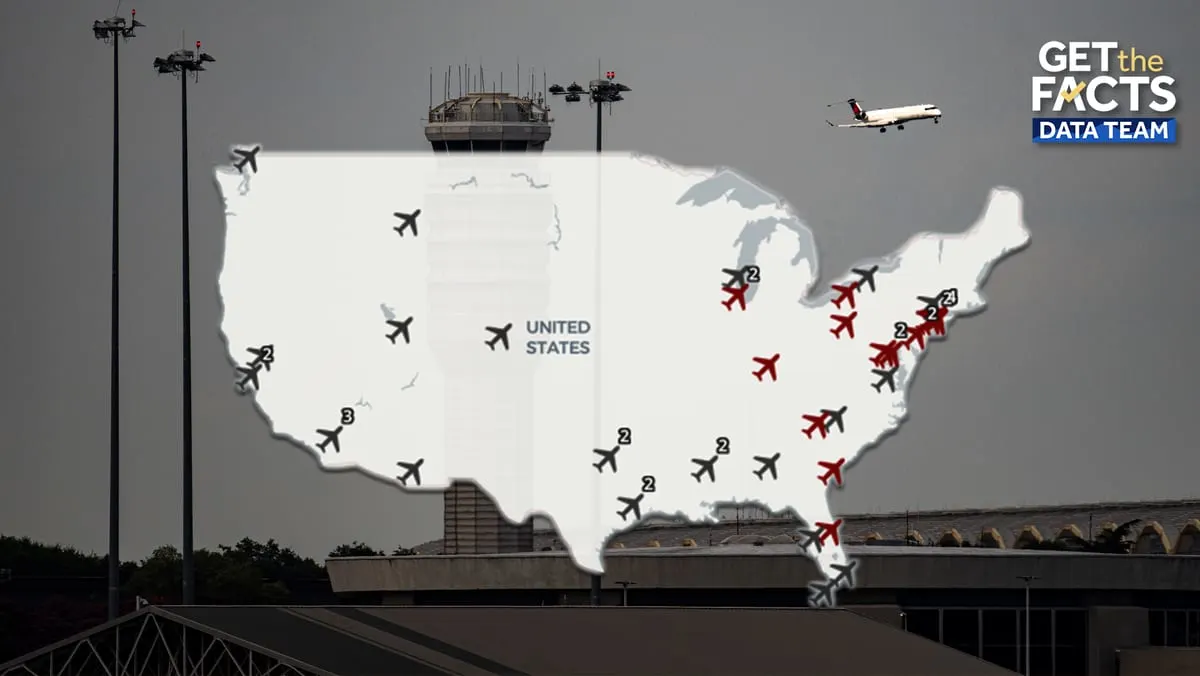
NTSB Safety Recommendations Lag Amid 6 Monthly Near-Misses
Approximately 6 near-miss incidents occur monthly at U.S. airports as 270 NTSB safety recommendations remain unaddressed by federal regulators.
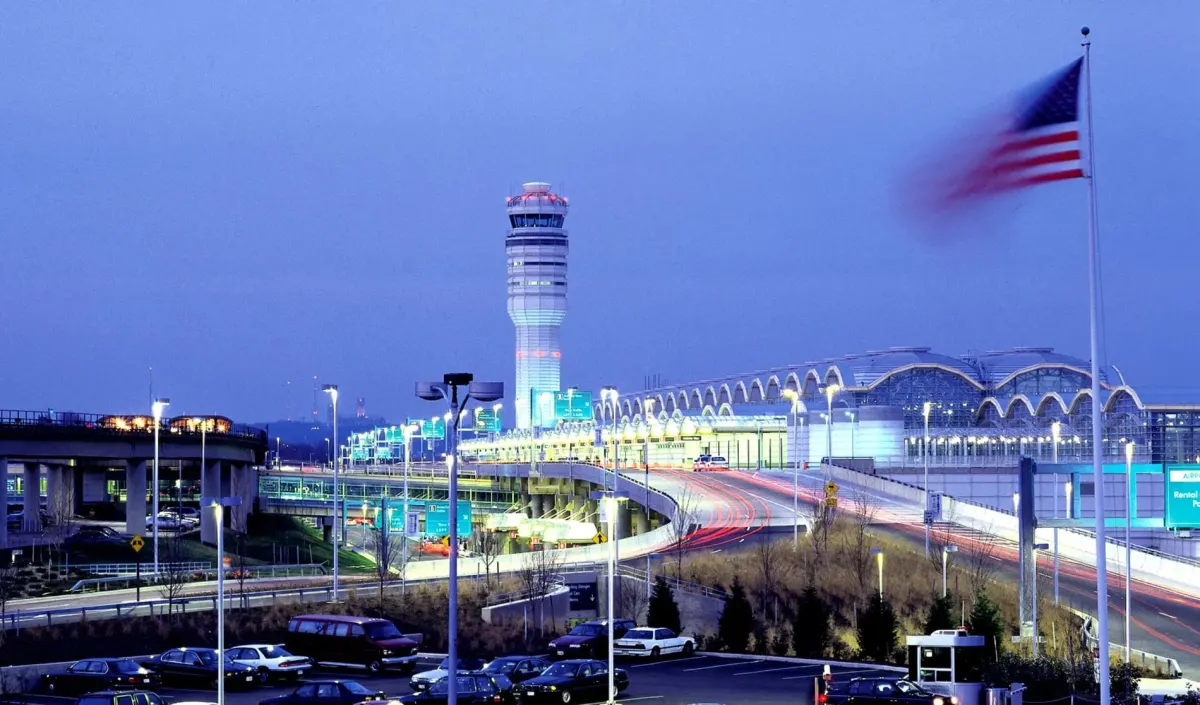
NTSB Rejects FAA Safety Responses After 67-Fatality Crash
The NTSB labeled 11 FAA responses to 2025 DCA mid-air collision recommendations as unacceptable, citing the lack of a mandatory ADS-B In requirement.
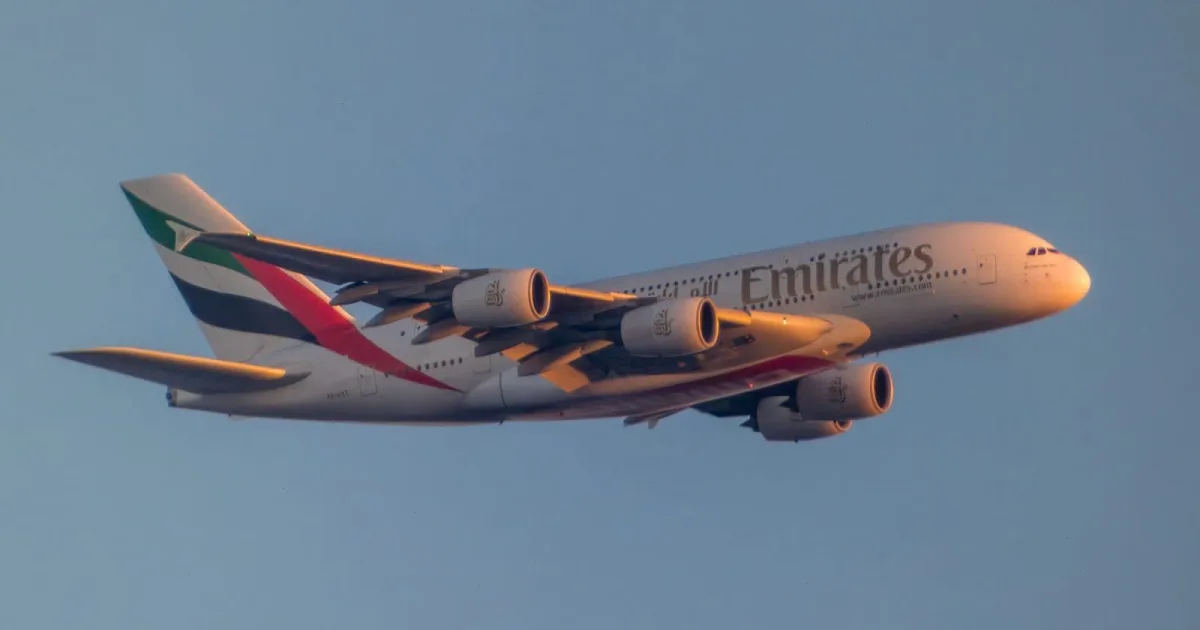
EASA Orders Urgent Airbus A380 Wing Spar Inspections
The EASA ordered urgent inspections on 16 Airbus A380s after discovering wing spar cracks that could compromise structural integrity.
Ryanair Flight RK514 Diverts to Birmingham After Emergency
Ryanair flight RK514 diverted to Birmingham Airport on September 13, 2026, following a medical emergency involving a passenger.