NTSB Investigates Fatal Robinson R44 Helicopter Crash in Boynton Beach

Co-Founder & CEOAviation News Editor delivering trusted coverage across the global aviation industry.
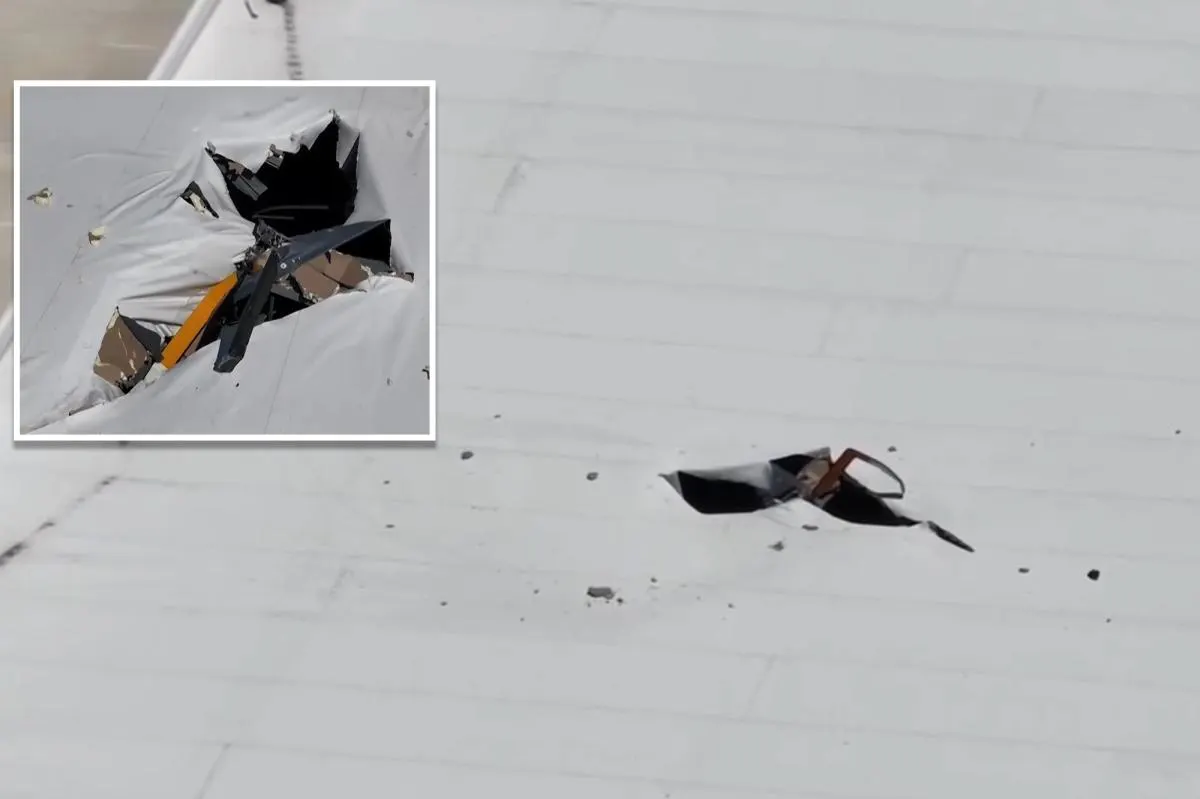
A Robinson R44 helicopter crashed into a Florida warehouse, resulting in two fatalities; the NTSB and FAA are now leading the investigation.
Key Takeaways
- •Results in two fatalities after a Robinson R44 helicopter crashed into a Boynton Beach warehouse.
- •Triggers a full investigation led by the National Transportation Safety Board (NTSB) and the FAA.
- •Adds to ongoing safety scrutiny of the world's best-selling general aviation helicopter.
- •Follows historical precedents of R44 accidents where NTSB cited mechanical or maintenance issues.
A Robinson R44 helicopter crashed into the roof of a warehouse in Boynton Beach, Florida, on Monday, March 23, 2026, resulting in the deaths of both individuals on board. The incident, which occurred around 12:30 p.m. EDT, has triggered a federal investigation into the cause of the accident involving one of the world's most common light helicopters.
The crash adds to the ongoing scrutiny of the Robinson R44's safety record and initiates a comprehensive investigation process led by the National Transportation Safety Board (NTSB), with assistance from the Federal Aviation Administration (FAA). The outcome of this inquiry will be closely watched by the general aviation community, flight schools, and the manufacturer, as it could have implications for training protocols, maintenance requirements, and the aircraft's design.
According to Boynton Beach Fire Rescue, the helicopter impacted a newly constructed warehouse, puncturing the roof and damaging a sprinkler system. Battalion Chief Matt Oxendine confirmed there was no subsequent fire or smoke. An eyewitness, Rhett Savidge, described the aircraft as nosediving "like it was coming to the end of a barrel roll," suggesting a possible sudden loss of control or a significant in-flight mechanical failure prior to impact. The two occupants were pronounced dead at the scene.
Investigation and Precedents
The NTSB will lead the investigation under the authority of 14 CFR Part 831 - Accident/Incident Investigation Procedures. Investigators will document the scene, examine the wreckage for mechanical failures, review maintenance records, and analyze the pilot's history and qualifications. The NTSB's investigative process is a multi-stage effort that can take between 12 and 24 months to complete before a final report detailing the probable cause is published.
The Robinson R44 is the world's best-selling general aviation helicopter, valued for its relatively low operating costs and versatility. According to manufacturer specifications, the piston-engine aircraft has a maximum gross weight of 2,500 lbs. However, its widespread use in training and private transport has resulted in a significant number of accidents, leading to frequent NTSB investigations.
This incident echoes previous fatal R44 accidents that have highlighted potential vulnerabilities. In March 2022, a crash in Rowlett, Texas, was caused by an in-flight separation of the tail section. Another crash in Charlotte, North Carolina, in November 2022 was attributed by the NTSB to inadequate maintenance inspections of control rod hardware. These historical precedents suggest that investigators in the Boynton Beach crash will likely focus intensely on the aircraft's mechanical integrity and recent maintenance history.
Technical Analysis
The Boynton Beach accident reinforces a persistent pattern in general aviation safety concerning the Robinson R44. While pilot error is a factor in many accidents, NTSB findings in past R44 incidents have frequently pointed toward mechanical or maintenance-related issues. The witness description of a "nosedive" could align with a catastrophic failure such as a main rotor or flight control malfunction, issues that have been scrutinized in prior investigations. This crash places renewed pressure on the Robinson Helicopter Company, which could face significant reputational and legal challenges if the NTSB probe uncovers evidence of a design or manufacturing flaw. The findings will be critical for operators worldwide who rely on the R44 for commercial and private flights, potentially influencing future airworthiness directives from the FAA.
What Comes Next
The NTSB is expected to release a preliminary report on the crash by April 2026. This initial document will outline the basic facts of the accident but will not state a probable cause. The full investigation, including a detailed analysis of the aircraft's systems, meteorological data, and operational factors, will follow.
A final report from the NTSB, which will include the official probable cause and any accompanying safety recommendations, is expected between March 2027 and March 2028. These recommendations could be directed at the FAA, the Robinson Helicopter Company, or aviation maintenance organizations to prevent similar accidents in the future.
Why This Matters
This fatal accident is significant beyond the immediate tragedy because it involves the most popular general aviation helicopter in the world. The NTSB's findings will have a direct impact on the perception of the Robinson R44's safety and reliability. For the broader aviation industry, it serves as a critical reminder of the safety challenges inherent in light helicopter operations and may influence future regulatory standards for maintenance and pilot training.
Stay ahead of the airline industry with commercial aviation news from omniflights.com. Track policy changes, airspace rules, and global aviation governance in the Regulatory category at omniflights.com/regulatory.
Written by Hardik Vishwakarma
Co-Founder & Aviation News Editor leading initiatives that improve trust and visibility across the global aviation industry. Covers airlines, airports, safety, and emerging technology.
Visit ProfileYou Might Also Like
Discover more aviation news based on similar topics

Families Demand DCA Midair Collision Safety Reforms
Families of 67 victims from the 2025 DCA midair collision are pressing Congress for mandatory ADS-B In technology to prevent future aviation tragedies.
FAS Challenges AAIB Over Boeing 787 Safety Data
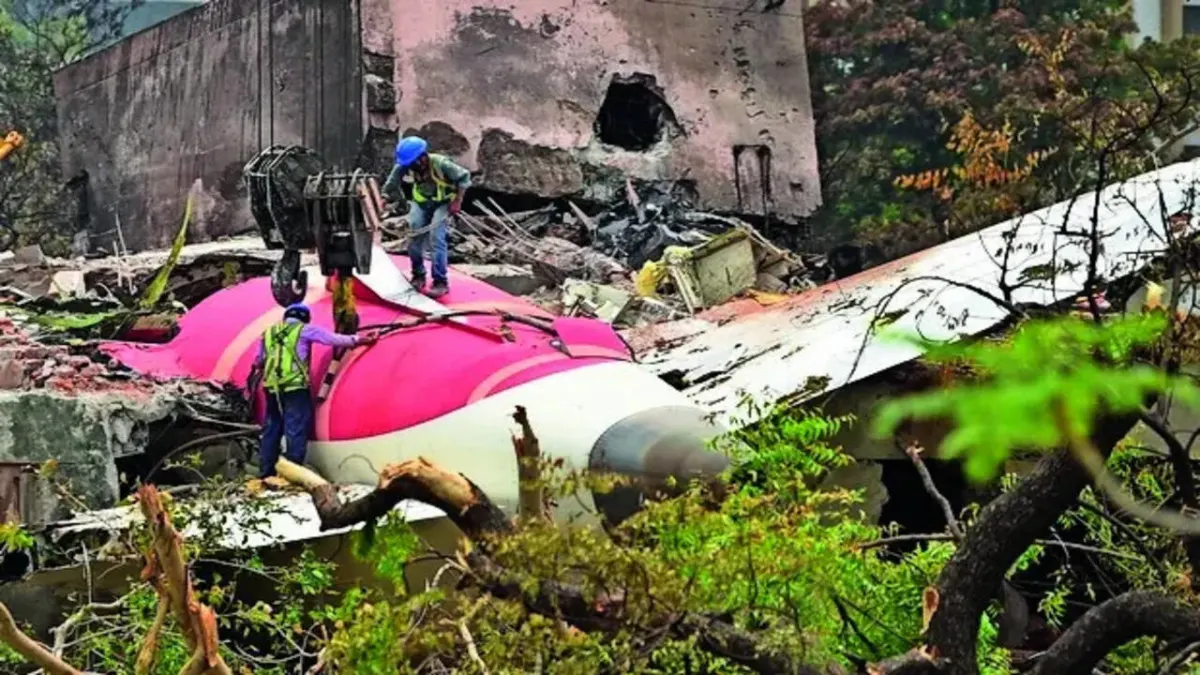
The Foundation for Aviation Safety is urging the AAIB to issue safety warnings for the Boeing 787 fleet following the fatal Air India 171 crash.
NTSB Safety Recommendations Lag Amid 6 Monthly Near-Misses
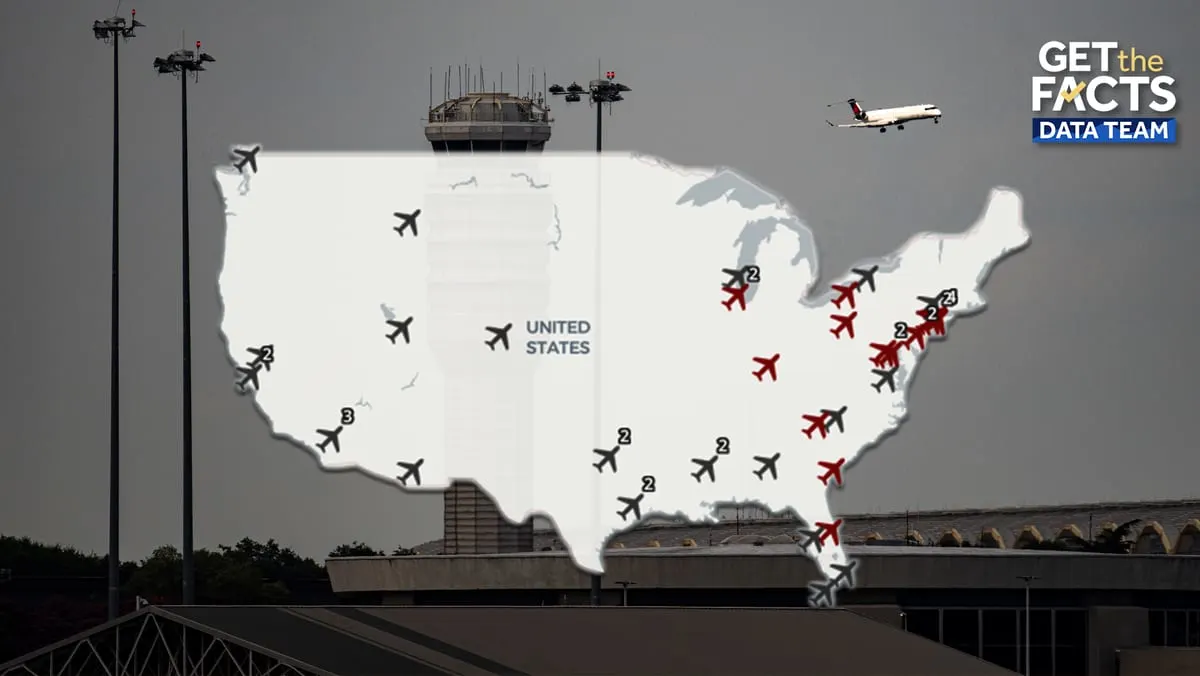
Approximately 6 near-miss incidents occur monthly at U.S. airports as 270 NTSB safety recommendations remain unaddressed by federal regulators.
NTSB Rejects FAA Safety Responses After 67-Fatality Crash
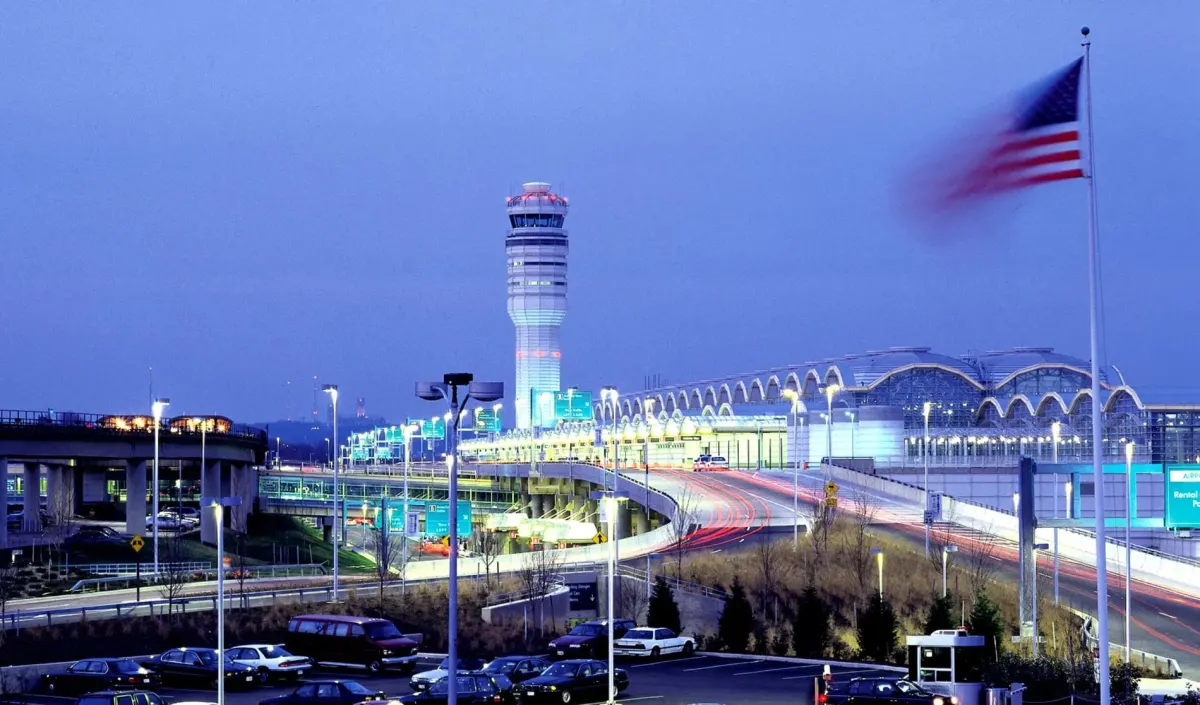
The NTSB labeled 11 FAA responses to 2025 DCA mid-air collision recommendations as unacceptable, citing the lack of a mandatory ADS-B In requirement.
EASA Orders Urgent Airbus A380 Wing Spar Inspections
The EASA ordered urgent inspections on 16 Airbus A380s after discovering wing spar cracks that could compromise structural integrity.
Ryanair Flight RK514 Diverts to Birmingham After Emergency
Ryanair flight RK514 diverted to Birmingham Airport on September 13, 2026, following a medical emergency involving a passenger.