NTSB Cites Conflicting Logs, ASDE-X Failure in LaGuardia CRJ-900 Crash

Co-Founder & CEOAviation News Editor delivering trusted coverage across the global aviation industry.
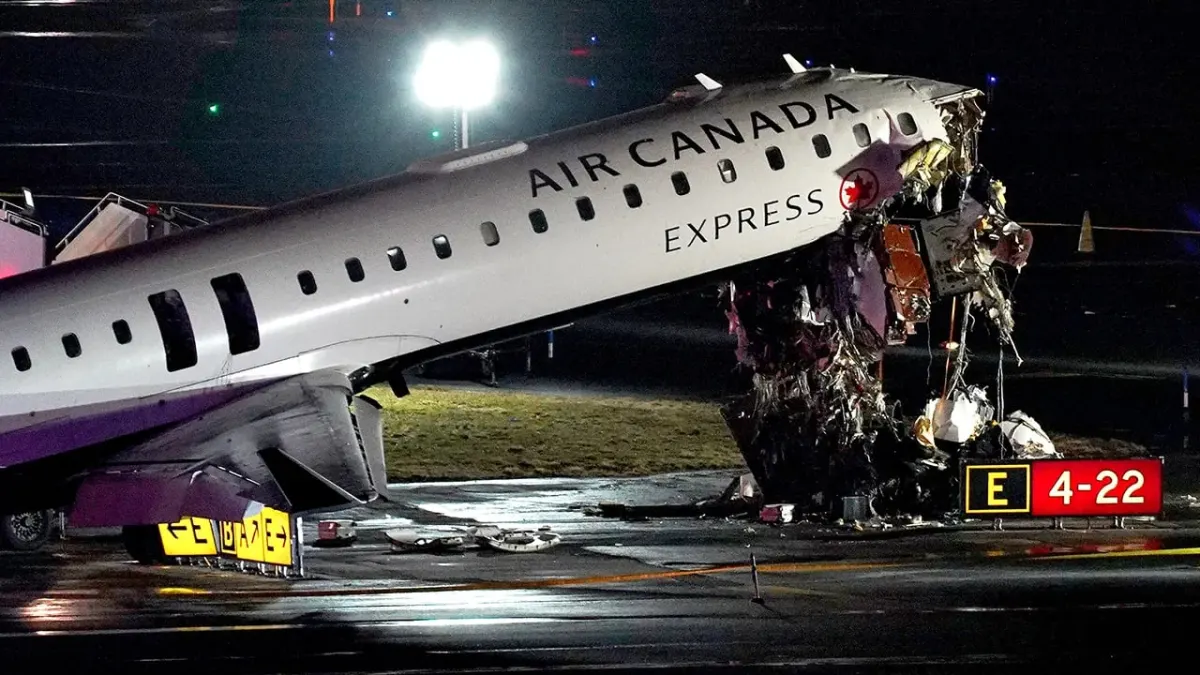
NTSB cites conflicting tower logs and an ASDE-X system failure in its investigation into the fatal LaGuardia runway collision involving a CRJ-900.
Key Takeaways
- •Cites conflicting tower logs and unclear ground control assignments.
- •Highlights failure of ASDE-X system due to lack of a vehicle transponder.
- •Reveals a stop order was issued just 9 seconds before the fatal impact.
- •Examines adequacy of two-controller staffing for midnight shifts during emergencies.
The National Transportation Safety Board (NTSB) has revealed significant safety system failures and conflicting information in its initial investigation into the fatal runway collision at LaGuardia Airport (LGA) on March 22, 2026. A Jazz Aviation Canadair Regional Jet (CRJ-900), operating as an Air Canada Express flight, collided with a Port Authority fire truck on Runway 4, resulting in the deaths of both pilots. The NTSB investigation is now focused on contradictory tower logs regarding ground control duties and the failure of a critical runway safety system to alert controllers of the impending disaster.
This incident raises urgent questions about the reliability of ground surveillance technology, Air Traffic Control (ATC) staffing, and airport emergency protocols. The collision occurred despite the presence of an Airport Surface Detection Equipment, Model X (ASDE-X) system, which is designed to prevent such events. The failure highlights a critical vulnerability: the system's effectiveness is significantly diminished when ground vehicles are not equipped with transponders. This event is expected to intensify regulatory pressure on the Federal Aviation Administration (FAA) to mandate transponders for all airport vehicles, a measure long advocated for by safety experts.
Investigation Details
In a press briefing on March 24, NTSB Chair Jennifer Homendy stated investigators found "conflicting information" in tower logs, making it unclear who was assigned to ground-control duties at the time of the incident. There were two air traffic controllers on duty during the midnight shift, a standard staffing level the NTSB is now reviewing for adequacy during active emergencies.
Analysis of the cockpit voice recorder from the CRJ-900, which was carrying 72 passengers and 4 crew members, provides a chilling timeline. The fire truck was cleared to cross the active runway between 12 to 20 seconds before the collision. A subsequent order from the tower for the truck to stop was issued just 9 seconds before impact. Data from Flightradar24 indicates the aircraft was traveling at approximately 104 mph just before the collision.
Homendy cautioned against premature conclusions, emphasizing the complexity of aviation accidents. "When something goes wrong, that means many, many things went wrong," she stated, pointing to the lack of a transponder on the fire truck as a key contributing factor. This absence prevented the ASDE-X system from generating a conflict alert for the controllers. The stakeholder impact is significant, particularly for the Port Authority of New York and New Jersey (PANYNJ), which faces scrutiny over its vehicle equipment policies, and the FAA's Air Traffic Organization, which may be forced to revise staffing and technology reliance protocols.
Technical Analysis
The LaGuardia collision underscores a systemic gap in U.S. runway safety that mirrors a recent international tragedy. The incident is highly analogous to the Haneda Airport runway collision on January 2, 2024, where a Japan Airlines A350 collided with a Coast Guard aircraft, also an emergency response vehicle. In both cases, a commercial aircraft on final approach struck a vehicle that was on the active runway without the flight crew's knowledge and without an automated alert being generated for controllers. The Haneda accident led to global reviews of runway protocols, but the LGA incident suggests that key technological and procedural lessons have not been universally implemented in the U.S., particularly concerning the mandatory electronic tracking of all ground vehicles.
This event moves the conversation beyond controller performance to the underlying systems they rely on. The industry trend of ATC staffing shortages and fatigue concerns, which the NTSB has previously flagged as a systemic risk, is a critical part of the context. Placing two controllers on a midnight shift to manage both routine traffic and an active emergency creates a high-workload environment where the failure of a single automated safeguard, like ASDE-X, can have catastrophic consequences. The lack of a federal transponder mandate for airport vehicles, as noted by former NTSB officials, effectively sets up controllers to fail by creating a blind spot in the very technology designed to support them.
What Comes Next
The investigation is proceeding on multiple fronts. According to the NTSB, a preliminary report detailing the initial factual findings is expected to be released in April 2026. This will provide a more detailed timeline and initial analysis of the data recovered from the flight recorders and tower logs.
Following the preliminary report, the NTSB will continue its in-depth analysis. The public docket, which will include the full transcripts from the cockpit voice recorder and flight data recorder, is confirmed for release in late 2026 or early 2027. The final report, containing the probable cause and official safety recommendations, will likely be published 12 to 18 months after the incident.
Why This Matters
This fatal accident is a stark reminder that despite technological advancements, runway incursions remain one of the most significant threats in commercial aviation. It challenges the FAA's and airport authorities' reliance on existing safety systems and highlights a critical regulatory loophole regarding ground vehicle equipment. The outcome of the NTSB's investigation will almost certainly trigger new federal mandates for vehicle transponders and a comprehensive review of ATC staffing and procedures, aiming to close the vulnerabilities that led to this preventable tragedy.
Visit omniflights.com for the latest commercial aviation news and airline industry updates. Discover how innovation is shaping aviation through aircraft systems, avionics, and digital tools at omniflights.com/technology.
Written by Hardik Vishwakarma
Co-Founder & Aviation News Editor leading initiatives that improve trust and visibility across the global aviation industry. Covers airlines, airports, safety, and emerging technology.
Visit ProfileYou Might Also Like
Discover more aviation news based on similar topics

Families Demand DCA Midair Collision Safety Reforms
Families of 67 victims from the 2025 DCA midair collision are pressing Congress for mandatory ADS-B In technology to prevent future aviation tragedies.
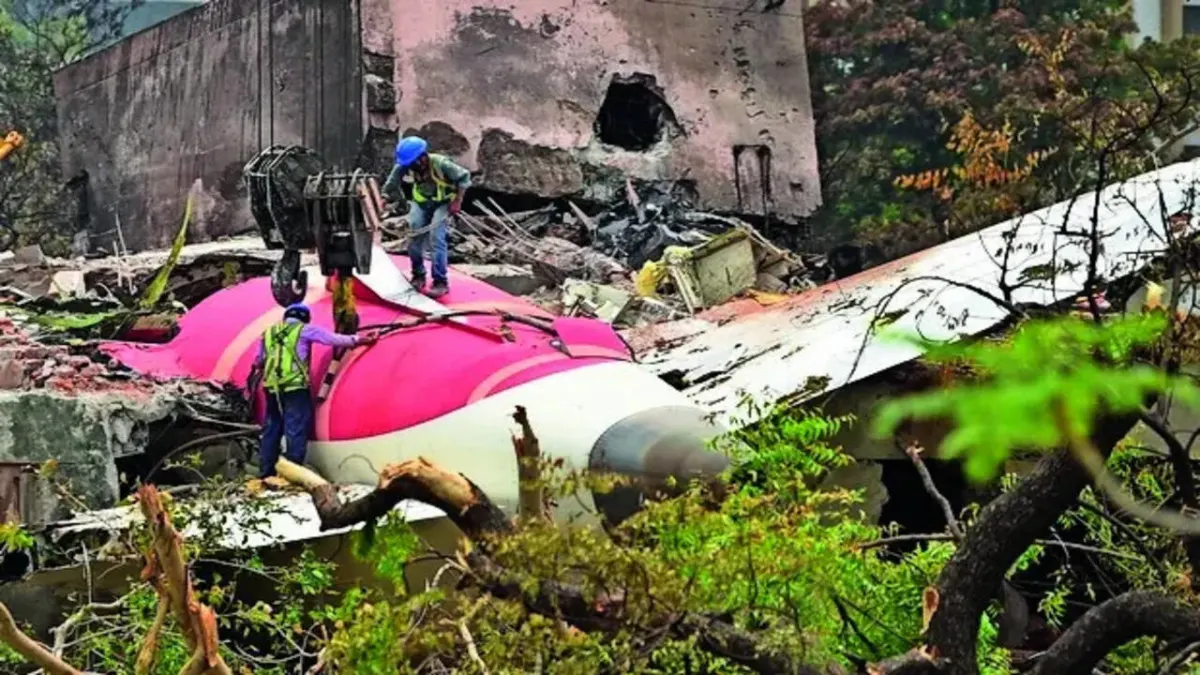
FAS Challenges AAIB Over Boeing 787 Safety Data
The Foundation for Aviation Safety is urging the AAIB to issue safety warnings for the Boeing 787 fleet following the fatal Air India 171 crash.
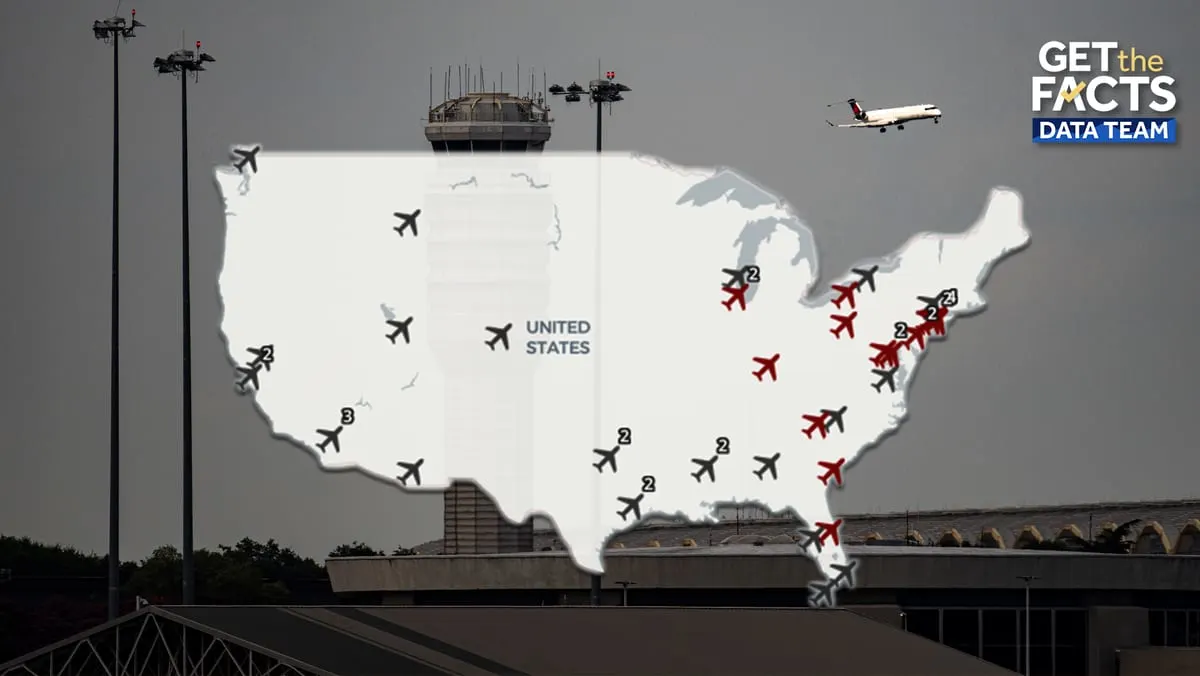
NTSB Safety Recommendations Lag Amid 6 Monthly Near-Misses
Approximately 6 near-miss incidents occur monthly at U.S. airports as 270 NTSB safety recommendations remain unaddressed by federal regulators.
NTSB Rejects FAA Safety Responses After 67-Fatality Crash
The NTSB labeled 11 FAA responses to 2025 DCA mid-air collision recommendations as unacceptable, citing the lack of a mandatory ADS-B In requirement.
EASA Orders Urgent Airbus A380 Wing Spar Inspections
The EASA ordered urgent inspections on 16 Airbus A380s after discovering wing spar cracks that could compromise structural integrity.
Ryanair Flight RK514 Diverts to Birmingham After Emergency
Ryanair flight RK514 diverted to Birmingham Airport on September 13, 2026, following a medical emergency involving a passenger.