Noida International Airport Opens March 28, Easing Delhi Congestion

Co-Founder & CEOAviation News Editor delivering trusted coverage across the global aviation industry.

Noida International Airport will be inaugurated on March 28, providing the Delhi NCR with a second major hub to alleviate pressure on IGI Airport.
Key Takeaways
- •Launches with a Phase 1 capacity of 12 million passengers and a 3,900-meter runway.
- •Serves as the second major airport for India's National Capital Region, easing congestion at Delhi's IGI Airport.
- •Features a 250,000 metric tonne cargo facility to establish a new logistics hub in Western Uttar Pradesh.
- •Developed under a Public-Private Partnership by Yamuna International Airport Private Limited, a Zurich Airport subsidiary.
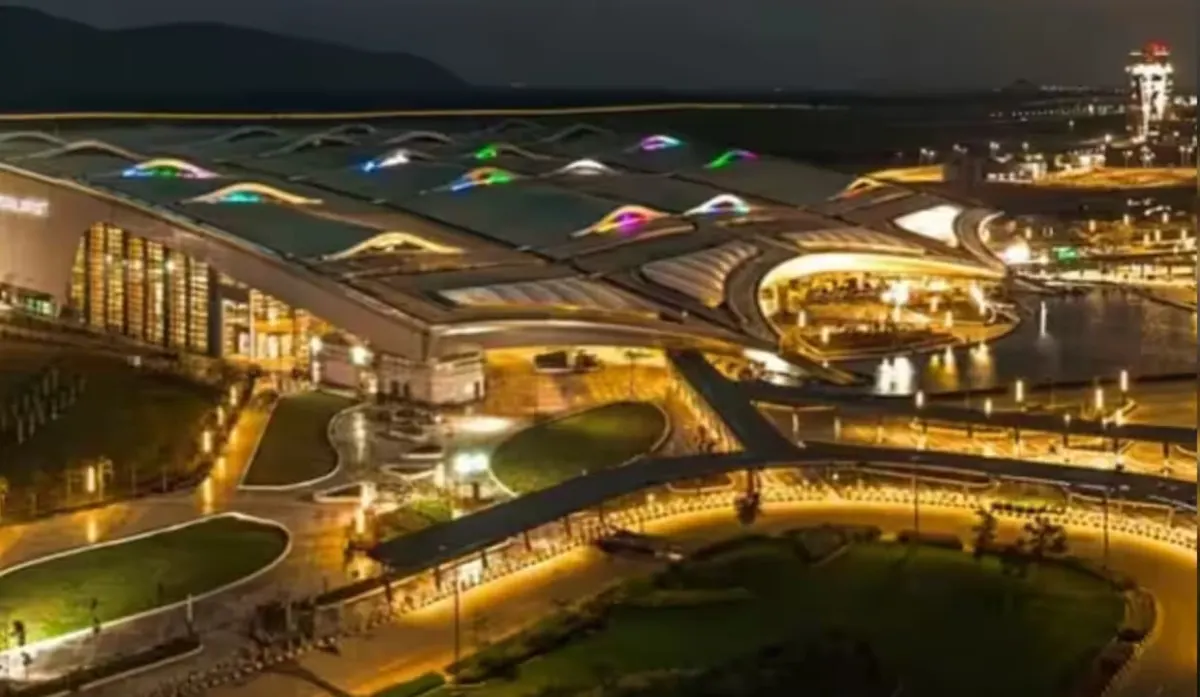
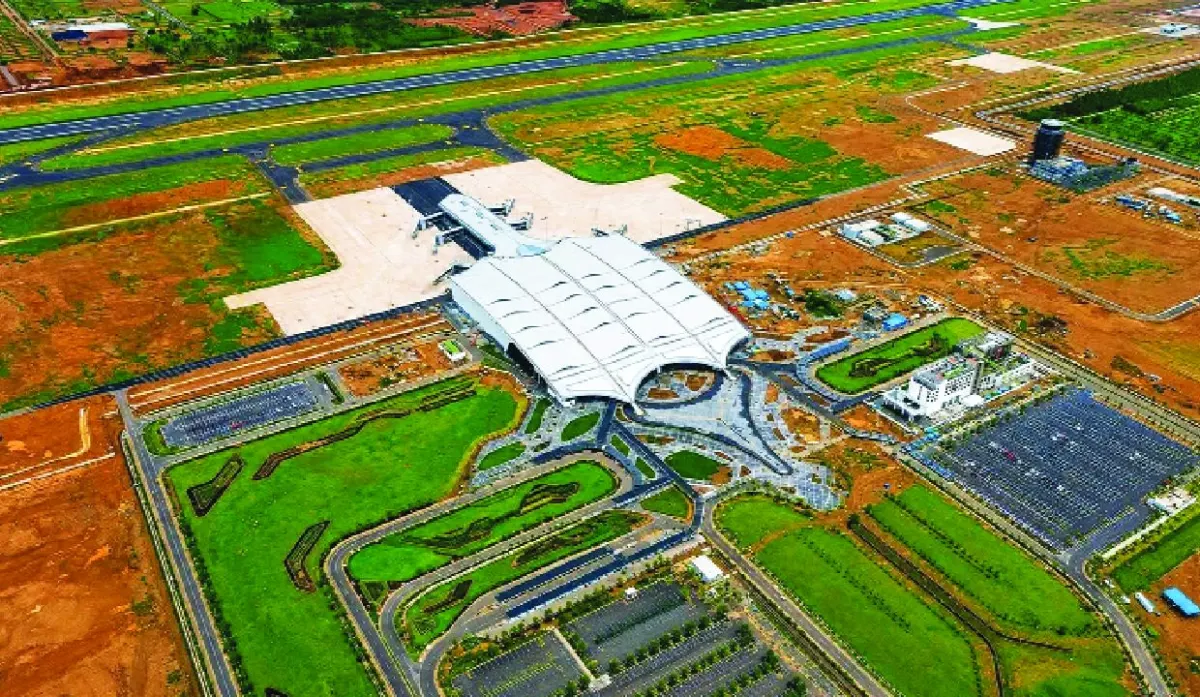
Prime Minister Narendra Modi is set to inaugurate the first phase of Noida International Airport (NIA) on March 28, 2026, marking a significant milestone in India's aviation infrastructure development. The new facility, with an initial capacity to handle 12 million passengers annually, is poised to become the second major international airport in the country's National Capital Region (NCR).
The launch of NIA, officially designated with the IATA code DXN, is a critical response to the mounting capacity constraints at Delhi's Indira Gandhi International Airport (DEL). According to Delhi International Airport Limited's master plan, DEL is operating near its saturation point of 105 million passengers annually. The new airport, operated by Yamuna International Airport Private Limited (YIAPL), a subsidiary of Zurich Airport International AG, aims to absorb overflow traffic and unlock new economic corridors in Western Uttar Pradesh.
Developed under a Public-Private Partnership model with an investment of ₹11,200 crore, Phase 1 features a single 3,900-meter runway capable of accommodating wide-body aircraft for long-haul operations. The project has received its aerodrome license from the Directorate General of Civil Aviation (DGCA), the Indian aviation regulator, certifying its operational readiness and safety standards.
Stakeholder and Regional Impact
The airport's opening is expected to have a profound impact on multiple stakeholders. For residents and businesses in Western Uttar Pradesh cities like Noida, Agra, and Meerut, it drastically reduces travel time to an international gateway, which previously required a journey of over two hours to DEL. For domestic carriers such as IndiGo, Akasa Air, and Air India Express, NIA provides access to much-needed slots in the lucrative but congested NCR market, enabling significant route network expansion.
Delhi International Airport Limited (DIAL), the operator of DEL, is also positioned to benefit. Videh Kumar Jaipuriar, CEO of DIAL, has noted that the Indian aviation market's robust annual growth of 8-10% is sufficient for both airports to thrive. The new airport will allow DEL to alleviate peak-hour congestion and focus on its goal of becoming a major international transfer hub. Furthermore, the airport's integrated cargo hub, operated by Air India SATS (AISATS), will capture a significant share of the region's freight traffic with an initial capacity of 250,000 metric tonnes annually.
A Multi-Airport System for NCR
The development of NIA is a cornerstone of India's strategy to implement multi-airport systems in its largest metropolitan areas, a trend also seen with the ongoing construction of Navi Mumbai International Airport to support Mumbai. This approach addresses the limitations of expanding legacy airports in dense urban environments. The previous attempt to decongest Delhi with the Hindon Airport civil enclave in 2019 provided only limited regional connectivity, underscoring the necessity for a full-scale international facility like NIA. The official airport website provides further details on its masterplan, which projects an ultimate capacity of 70 million passengers across four phases.
However, some alternative perspectives exist. Environmental groups have raised concerns regarding the ecological impact on the Yamuna floodplain, while urban planners highlight the potential for road bottlenecks on the Yamuna Expressway if high-speed rail and metro links are not completed swiftly to bridge the 75-kilometer distance from Central Delhi.
DXN vs. DEL: Phase 1 Comparison
| Metric | Noida International Airport (DXN) | Indira Gandhi International Airport (DEL) |
|---|---|---|
| Runways | 1 (3,900m) | 4 runways |
| Passenger Capacity | 12 million annually | 105 million annually |
| Distance from Central Delhi | ~75 km | ~16 km |
Technical Analysis
The inauguration of Noida International Airport represents more than a simple capacity addition; it reflects a strategic pivot in India's national aviation policy. The greenfield project exemplifies the move towards creating integrated, multi-modal logistics hubs from the ground up, with substantial cargo facilities designed into the initial phase rather than being added incrementally. This contrasts with older airports where logistics infrastructure often struggled to keep pace with passenger growth. The Public-Private Partnership model used for NIA's development serves as a critical template for funding and executing large-scale infrastructure projects in the country. This event accelerates the trajectory established by projects like Navi Mumbai, confirming that the future of Indian aviation in major metros lies in a decentralized, multi-airport network designed to foster regional economic growth and prevent the chokepoints that have historically constrained the industry.
What Comes Next
Following the formal inauguration, the next key milestone is the commencement of scheduled commercial flights, which is expected in April or May 2026, subject to airline scheduling and final approvals from the Directorate General of Civil Aviation (DGCA). Looking further ahead, the trigger for initiating Phase 2 expansion is expected when passenger traffic consistently reaches approximately 80% of the initial 12-million-passenger capacity. This next phase will involve the construction of a second runway and terminal to further boost capacity.
Why This Matters
Noida International Airport's launch is a transformative event for India's aviation landscape. It not only provides immediate relief to the nation's busiest air corridor but also signals a mature approach to long-term infrastructure planning. For airlines, it opens up a new competitive front in the NCR, while for passengers and cargo operators, it creates a modern, efficient gateway to one of India's fastest-growing economic regions.
For global airline trends and commercial aviation news, turn to omniflights.com. From aircraft production to supply chains, commercial aviation manufacturing news is covered at omniflights.com/manufacturing.
Written by Hardik Vishwakarma
Co-Founder & Aviation News Editor leading initiatives that improve trust and visibility across the global aviation industry. Covers airlines, airports, safety, and emerging technology.
Visit ProfileYou Might Also Like
Discover more aviation news based on similar topics
IndiGo Opens Commercial Flights at Bhogapuram
IndiGo launched the first commercial flight to the new Rs 5,700 crore Bhogapuram Airport, shifting civilian traffic from the old civil enclave.

Sydney Airport Master Plan 2045 Approved
The Australian government approved Sydney Airport's Master Plan 2045, enabling terminal integration to handle 72.6 million passengers by 2045.
Visakhapatnam Airport Ends Commercial Flights for 30 Years
Visakhapatnam Airport ended scheduled commercial flights ahead of Bhogapuram's opening, triggering a 30-year moratorium on civil operations.

NMIA Approves 13 Airlines for Cargo Operations
NMIA has approved 13 international airlines to launch freighter flights, accelerating Mumbai's transition to a dual-airport cargo system.

Hong Kong Air Cargo Lands First Navi Mumbai Freighter
Hong Kong Air Cargo launched flights to Navi Mumbai, marking the airport's first international freighter service with 6 weekly movements.

ENAC Suspends Catania Flights Amid Mount Etna Eruption
ENAC suspended operations at Catania Airport due to a Mount Etna eruption, resulting in 700 flight cancellations and massive regional diversions.