Nigerian Airlines Lose N8 Billion Annually to Aircraft Underutilisation

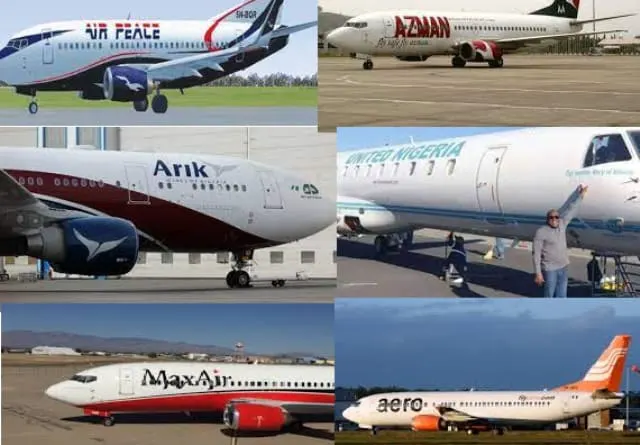
Nigerian airlines are losing an estimated N8 billion annually as inadequate airport infrastructure limits aircraft utilisation to half the required hours.
Key Takeaways
- •Estimates annual losses for Nigerian airlines at N8 billion due to underutilisation.
- •Limits aircraft to 7-8 daily flight hours, far below the profitable benchmark of 14-16 hours.
- •Cites the lack of night-landing facilities at over 25 Nigerian airports as the primary cause.
- •Highlights financial strain from currency exposure and poor access to capital for fleet financing.
Nigerian airlines face annual revenue losses estimated at N8 billion due to the severe underutilisation of their aircraft fleets, a direct consequence of systemic infrastructural and operational constraints. The financial drain has nearly doubled from a N4.3 billion estimate three years ago, highlighting a worsening crisis for the country's aviation sector.
Industry benchmarks for medium-size aircraft like the Boeing B737 and Embraer E195-E2 require 14 to 16 hours of daily operation to remain profitable. However, carriers in Nigeria average only seven to eight hours per day. The primary cause is the prevalence of 'sunset airports'—airports lacking the necessary night landing facilities, which forces most domestic operations to cease at dusk. This operational bottleneck directly impacts airline revenue, debt repayment capabilities, and fleet modernization plans.
Operational and Financial Impact
The gap between required and actual flight hours makes the economics of operating modern, fuel-efficient aircraft challenging. According to Akin Olateru, Chief Executive Officer of Omni-Blu Aviation Limited, the low utilisation rates make it nearly impossible to justify the high cost of new equipment. “People that make money with brand new airplane, fly about 12, 13, 14 hours a day,” Olateru stated. “How many do we get from our aircraft per day? Maybe seven hours... If you buy a brand-new aircraft and can only fly six, seven hours a day, it is a problem.”
This underutilisation directly affects an airline's ability to service debt, particularly for assets financed in foreign currency. Nigerian carriers earn revenue primarily in Naira but pay for aircraft leases, spare parts, and maintenance in U.S. dollars. This currency exposure creates significant financial risk, which is amplified when the assets generating the revenue are parked for more than half the day. Furthermore, aircraft maintenance schedules, regulated by the Nigerian Civil Aviation Authority (NCAA), are based on both flight cycles and calendar time. Underutilisation means aircraft reach calendar-based maintenance checks with fewer flight hours, reducing the revenue-generating potential between expensive shop visits.
The Root Cause: Airport Infrastructure
The core of the problem lies with national aviation infrastructure. Out of over 30 functional airports in Nigeria, only five are equipped for 24-hour operations with full night landing facilities: Lagos, Abuja, Kano, Port Harcourt, and Enugu. The remaining airports are designated for daylight operations only.
This infrastructure deficit is managed by the Federal Airports Authority of Nigeria (FAAN), which oversees airport services. Extending operating hours at other airports involves significant costs, including providing power for airfield lighting and paying overtime allowances for technical staff from both FAAN and the Nigerian Airspace Management Agency (NAMA). Compounding the issue are security concerns that disincline some passengers from traveling at night, reducing potential demand for later flights even if they were available.
Broader Economic Context
The challenges extend beyond airport infrastructure to the financial ecosystem supporting the airlines. Olateru, who is also the pioneer Director General of the Nigerian Safety Investigation Bureau (NSIB), noted that unlike many successful international carriers, Nigerian airlines lack state backing or robust access to capital markets. With the exception of Caverton Offshore Support Group, no domestic airline is listed on the stock exchange, which would otherwise provide a channel for raising funds at more favorable terms.
Without these financial support structures, airlines rely on high-interest commercial loans, making the burden of aircraft acquisition and repayment significantly heavier. “In Nigeria, look at all our airlines... there is no airline in Nigeria today that is state-backed, so we are at a disadvantage,” Olateru observed. This forces operators into a precarious financial position where any operational disruption, such as restricted flight hours, has an outsized negative impact.
Why This Matters
The chronic underutilisation of aircraft creates a cycle of financial instability that stunts the growth of Nigeria's domestic aviation market. It leads to higher operating costs per flight hour, which are ultimately passed on to passengers through higher airfares. For the airlines, it means an inability to expand fleets, modernize equipment, or compete effectively. For the broader economy, it represents a significant bottleneck, limiting connectivity and hampering economic activity that depends on reliable, round-the-clock air transport. Addressing the 'sunset airport' issue is therefore critical not just for airline profitability, but for unlocking the full potential of aviation as an economic enabler in Nigeria.
Frequently Asked Questions
- Why are Nigerian airlines losing an estimated N8 billion annually?
- Nigerian airlines are losing N8 billion per year primarily due to aircraft underutilisation. Their planes fly only 7-8 hours daily, while profitability requires 14-16 hours, a gap caused mainly by the lack of night-landing facilities at most of the country's airports.
- What are 'sunset airports' in Nigeria?
- Sunset airports are airports that are not equipped for night-time operations because they lack essential infrastructure like airfield lighting and instrument landing systems. In Nigeria, over 25 of the 30+ functional airports fall into this category, forcing airlines to cease operations at dusk.
- How does currency exchange affect Nigerian airlines?
- Nigerian airlines face significant financial risk from currency fluctuations because they earn revenue in the local currency (Naira) but pay for major expenses like aircraft leases, spare parts, and international maintenance in U.S. dollars. A weaker Naira increases these operational costs, impacting profitability.
Visit omniflights.com for the latest commercial aviation news and airline industry updates. For detailed airline coverage, route changes, and fleet moves, explore the Airlines section at omniflights.com/airlines.

Written by Hardik Vishwakarma
Co-Founder & Aviation News Editor leading initiatives that improve trust and visibility across the global aviation industry. Covers airlines, airports, safety, and emerging technology.
Visit ProfileYou Might Also Like

Lufthansa to Acquire 44.9% Stake in TAP Air Portugal
Avolon Orders 70 Rolls-Royce Trent 7000 Engines
IndiGo Secures $328M Financing for 8 Airbus Aircraft

Delta Air Lines Earnings: Fuel Costs Surge, Fares Rise
FTAI Aviation Acquires 27 WestJet Boeing 737-700 Aircraft