Nigerian Airlines Face Leasing Hurdles 18 Months After CTC Reforms


Nigerian airlines still struggle with aircraft leasing 18 months after CTC reforms, as investor caution persists due to legal and reputational risks.
Key Takeaways
- •Face persistent aircraft leasing challenges despite CTC reforms from September 2024.
- •Struggle with investor caution linked to the long-standing AMCON and Arik Air dispute.
- •See improved CTC compliance score rise to 75.5% without immediate leasing benefits.
- •Anticipate significant aircraft availability may be delayed until 2027.
Over 18 months after Nigeria implemented a key international treaty to boost investor confidence, the country's airlines continue to face significant challenges in securing dry-leased aircraft. The Cape Town Convention (CTC) Practice Direction, signed on September 12, 2024, was designed to streamline aircraft leasing and repossession. However, industry experts indicate that lingering reputational damage, particularly from the unresolved legal dispute involving Arik Air, has largely negated the reform's intended benefits for Nigerian carriers seeking to modernize their fleets.
The slow progress is creating a critical bottleneck for the growth of Nigeria's aviation sector. The CTC Practice Direction provides a robust legal framework, including the Irrevocable De-Registration and Export Request Authorisation (IDERA), which allows lessors to quickly repossess an aircraft if an airline defaults. While this reform helped improve Nigeria's standing with international financiers, the practical impact on aircraft availability has been minimal, prompting the government to plan a summit to address the acquisition crisis.
Reforms Meet Market Reality
Following the implementation of the Practice Direction, Nigeria’s compliance rating saw a substantial improvement. According to the Aviation Working Group (AWG), an international body that assesses CTC compliance, Nigeria’s score increased from 49% to 75.5%, placing it in the 'high compliance' category and removing it from the AWG's watchlist. This was a significant step intended to reduce the perceived risk for international lessors and, consequently, lower insurance and leasing costs for local airlines.
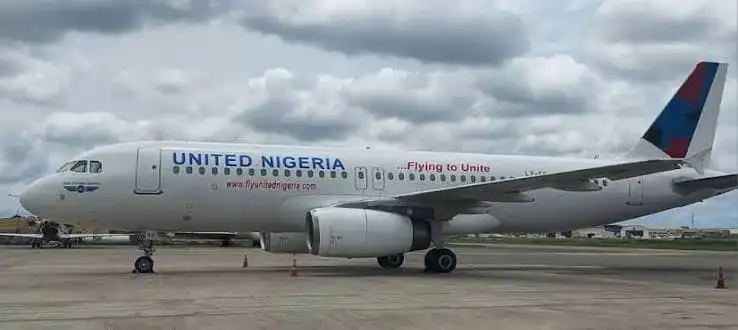
Despite this upgraded status, the market has not responded as anticipated. Professor Obiora Okonkwo, Chairman of United Nigeria Airline and spokesperson for the Airline Operators of Nigeria (AON), noted that while the new rating is beneficial, its effects are not immediate. He explained that most available aircraft were already committed to other operators globally when the agreement took effect. "Aircraft are not kept in the warehouse or a store for you to pick," Okonkwo stated, expressing optimism that Nigerian carriers are now well-positioned to be early beneficiaries as leases expire. He projects that a more fruitful leasing environment may not materialize until 2027, when a larger pool of aircraft returns to the market.
The Lingering Impact of the Arik Air Case
A primary factor contributing to lessor hesitancy is the ongoing legal dispute surrounding Arik Air and the Asset Management Corporation of Nigeria (AMCON). AMCON, a government entity, took over the management of the then-distressed airline on February 9, 2017. The protracted nature of this receivership is closely watched by the international finance community, which had significant exposure to Arik Air through entities like the Private Export Funding Corporation (PEFCO) of the US-Exim Bank and the European Credit Agency (ECA).
Legal and aviation analysts argue that this case has cast a long shadow over Nigeria's reputation for contract enforcement and property rights. Lawyer Bolaji Daodu stated that because aviation finance is global, Nigeria's participation depends on the predictability of its legal system. "If a state-linked enforcement action is ultimately adjudged to have been premised upon a defective asset transfer, the reputational consequences will reverberate through international leasing markets and credit risk assessments," he warned.
Aviation analyst Lanre Bamgbose echoed these concerns, noting that major international lenders have been cautious about the Nigerian market since 2010 due to policy inconsistencies. "If you are asking me to bring money to your space, the question would be: what has happened to the monies that we put in your space before now?" Bamgbose remarked, highlighting the need for Nigeria to address past issues to restore trust. The perception of Nigeria as a high-risk jurisdiction continues to influence the cost of aircraft insurance and leasing for all domestic operators.
Government Initiatives and Future Outlook
In response to these persistent challenges, Nigeria's Ministry of Aviation and Aerospace Development has announced plans for an international aviation summit. The event aims to bring together major aircraft manufacturers like Boeing, Airbus, and Embraer with lessors, financial institutions, and insurance companies to directly address the hurdles faced by domestic airlines. The goal is to foster dialogue and find practical solutions to the aircraft acquisition problem.
However, until international partners regain full confidence in the country's legal and commercial frameworks, Nigerian airlines will likely continue to struggle. The success of the CTC Practice Direction is contingent not only on its existence on paper but on the demonstrated commitment to its principles in practice, which includes the transparent and lawful resolution of complex cases like that of Arik Air and AMCON.
Why This Matters
The difficulty in securing modern, efficient aircraft directly constrains the ability of Nigerian airlines to expand routes, improve service reliability, and compete effectively on both domestic and international stages. This situation demonstrates that while robust legal reforms like the Cape Town Convention are crucial, they are insufficient on their own to overcome deep-seated reputational risks. For Nigeria's aviation industry to achieve its potential, restoring the confidence of the global financial community through consistent and predictable legal enforcement remains the paramount challenge.
omniflights.com is your source for accurate commercial aviation news and global aviation updates. For reporting on UAP sightings, investigations, and aviation-related encounters, see the UAPs section at omniflights.com/uaps.

Written by Ujjwal Sukhwani
Aviation News Editor & Industry Analyst delivering clear coverage for a worldwide audience. Covers flight operations, safety regulations, and market trends with expert analysis.
Visit ProfileYou Might Also Like

Dubai Aerospace Enterprise Completes United Airlines Lease
RTX Reports Record $340B Backlog and Strong Q3 2026 Growth
Boeing 737 MAX Litigation Nears Resolution in Chicago
Qatar Airways Enters Japanese JOLCO Financing Market
United Nigeria Airlines Plans N20bn Commercial Paper Debt