NATS ATC Failure: Passengers Denied Compensation

Co-Founder & CTOCo-Founder & CTO driving the technology and data systems behind Omni Flights.
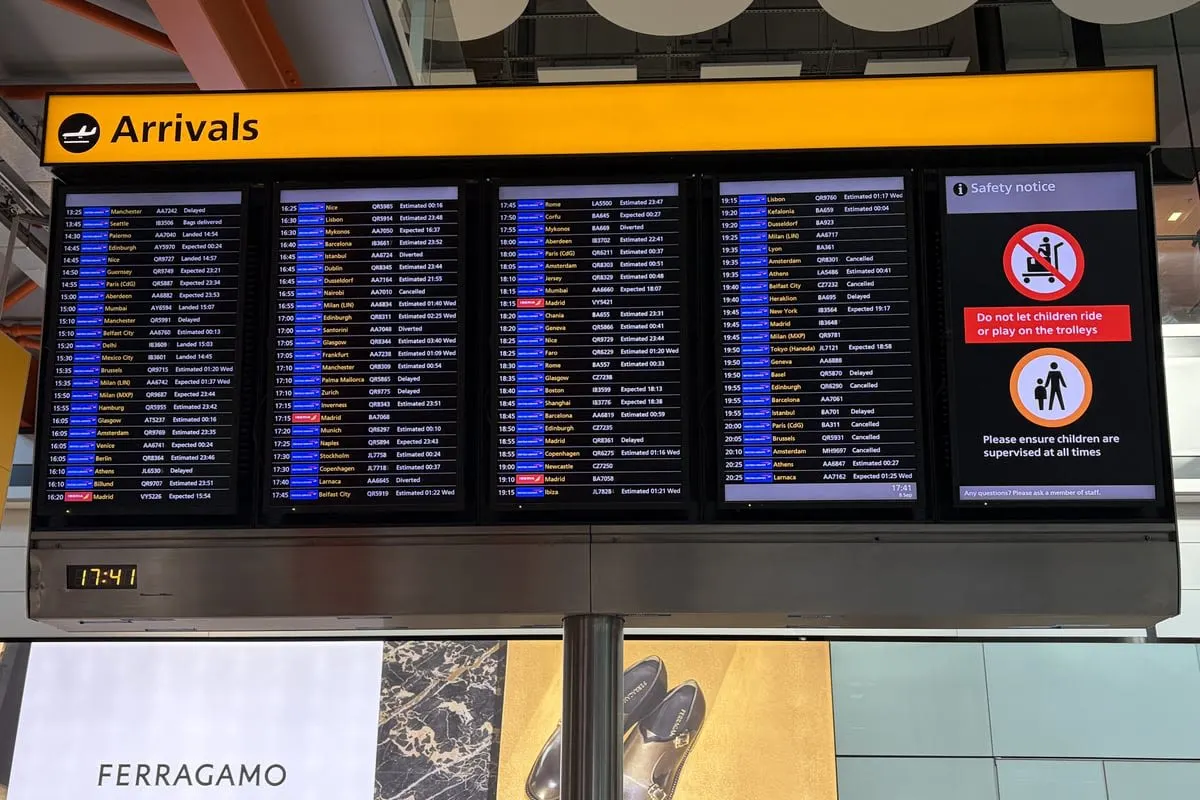
The UK CAA ruled that the NATS technical outage qualifies as an extraordinary circumstance, denying compensation to affected passengers.
Key Takeaways
- •CAA rules NATS failure as extraordinary, denying passenger compensation.
- •Cirium data confirms 2,145 flights were disrupted over two days.
- •British Airways cancelled 550 flights, affecting 85,000 passengers.
- •Ryanair and Wizz Air demand NATS CEO Martin Rolfe's resignation.
Regulatory Stance on Compensation
Hundreds of thousands of passengers impacted by the recent NATS (National Air Traffic Services) technical failure are unlikely to receive financial compensation. The Civil Aviation Authority (CAA) confirmed on Wednesday that the disruption is categorized as "extraordinary circumstances" under UK passenger rights rules. While airlines remain obligated to provide care, such as meals and overnight accommodation, they are exempt from paying additional compensation for delays or cancellations directly stemming from the incident.
Scale of Operational Disruption
According to data from the aviation analytics firm Cirium, a total of 2,145 flights were impacted over a two-day period. On Wednesday alone, 399 flights were cancelled or failed to operate. London Heathrow (LHR) emerged as the most severely affected airport, with 79 out of 666 scheduled departures disrupted. Among carriers, EasyJet faced the highest volume of individual flight impacts, reporting 31 disruptions out of 614 scheduled departures. British Airways (BA), meanwhile, was forced to cancel nearly 550 flights, an action that impacted more than 85,000 passengers.
Political and Industry Reaction
UK Transport Secretary Heidi Alexander addressed Parliament, stating she did not believe the outage was "unavoidable." While ruling out a cyber attack, she confirmed that the failure originated at the Swanwick control centre. Alexander has ordered an independent review by the CAA, which is expected to report its findings within six months.
Industry leaders have responded with sharp criticism of NATS management. Ryanair has publicly demanded the resignation of NATS CEO Martin Rolfe, while Wizz Air has also joined the chorus of carriers questioning the current leadership's competence. Ryanair's official statement emphasizes the frustration felt by airlines regarding the recurring nature of these infrastructure failures.
Infrastructure Resilience and Historical Precedents
The September 2026 failure bears significant resemblance to the NATS system collapse that occurred in August 2023. That incident, caused by a flight plan processing error, resulted in over 2,000 cancellations and cost the industry an estimated £100 million. The recurrence of such a widespread network shutdown has intensified calls from carriers like British Airways for urgent, systemic upgrades to aviation resilience. Analysts suggest that the lack of redundancy in the UK’s current air traffic control architecture remains a primary structural risk for the aviation sector.
The Path to Accountability
NATS has acknowledged the severity of the situation, with Martin Rolfe taking full responsibility for the disruption. A comprehensive internal investigation into the technical root cause is currently underway and is expected to reach completion by mid-September 2026. The subsequent independent review, mandated by the Department for Transport, will serve as a critical milestone for determining future regulatory oversight and potential management restructuring at the air traffic service provider.
Why This Matters for Stakeholders
For the UK travelling public, this event highlights the limitations of current passenger protection laws when infrastructure failure occurs. For airlines, the inability to reclaim costs associated with passenger care represents a significant financial burden, particularly when such outages occur outside their direct control. The government's decision to launch an independent review signals that the status quo regarding NATS operational resilience is no longer tenable, setting the stage for potential regulatory or leadership changes in the coming months.
Frequently Asked Questions
- Why are passengers not entitled to compensation for the NATS outage?
- The Civil Aviation Authority (CAA) has classified the NATS technical failure as an 'extraordinary circumstance' under passenger rights regulations. This legal classification exempts airlines from paying financial compensation for the resulting delays and cancellations.
- What was the cause of the NATS air traffic control failure?
- The UK Transport Secretary confirmed that the outage was caused by a technical issue at the NATS Swanwick control centre. While a full internal investigation is ongoing, officials have ruled out the possibility of a cyber attack.
omniflights.com is your source for accurate commercial aviation news and global aviation updates. From aircraft production to supply chains, commercial aviation manufacturing news is covered at omniflights.com/manufacturing.
Written by Shashank Shukla
Co-Founder & CTO leading the engineering and AI systems behind Omni Flights. Covers aviation technology, flight safety, aircraft manufacturing, and emerging aerospace developments.
Visit ProfileYou Might Also Like
Discover more aviation news based on similar topics
Ryanair Flight RK514 Diverts to Birmingham After Emergency
Ryanair flight RK514 diverted to Birmingham Airport on September 13, 2026, following a medical emergency involving a passenger.

Amazon Suspends 21 Air After Fatal Miami 767 Runway Overrun
Amazon has suspended operations with 21 Air following a fatal Boeing 767 runway overrun at Miami International Airport that resulted in five deaths.
FAA Proposes A220 Fuel Line Inspections for US Operators
The FAA issued a proposed directive requiring inspection of motive-flow fuel lines on 13 US-registered Airbus A220s to prevent potential leaks.
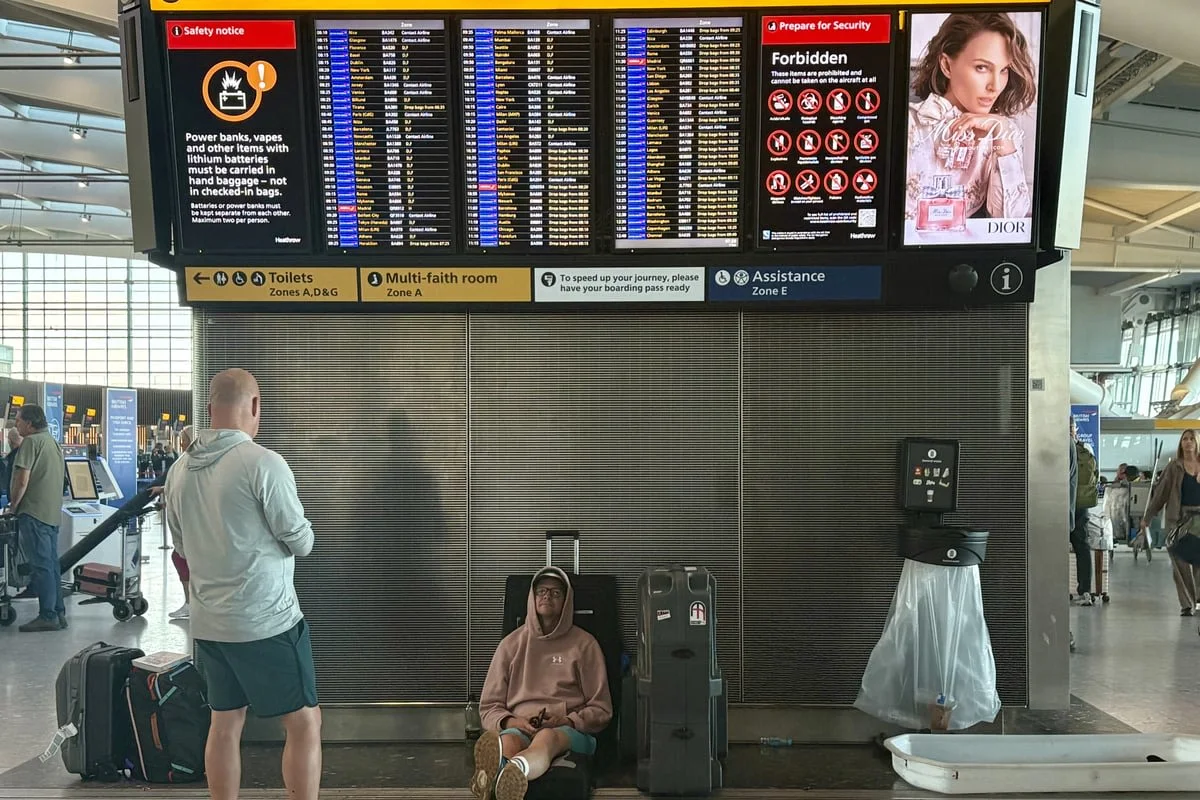
NATS Denies Military Jet Role in UK ATC Outage
The UK Ministry of Defence denied its aircraft caused a NATS outage that led to over 2,000 flight cancellations and calls for CEO resignation.
21 Air Miami Crash: NTSB Investigates 767 Runway Overrun
A fatal 21 Air Boeing 767 crash at Miami International Airport has triggered an NTSB investigation amid scrutiny of Amazon Air's contract oversight.

Amazon Cargo Plane Crash: 5 Remembered After MIA Excursion
Five cleaning crew members died after an Amazon-contracted Boeing 767 overran the runway at Miami International Airport at 158 knots.