National Airlines Takes Delivery of First Boeing 777-200F Freighter

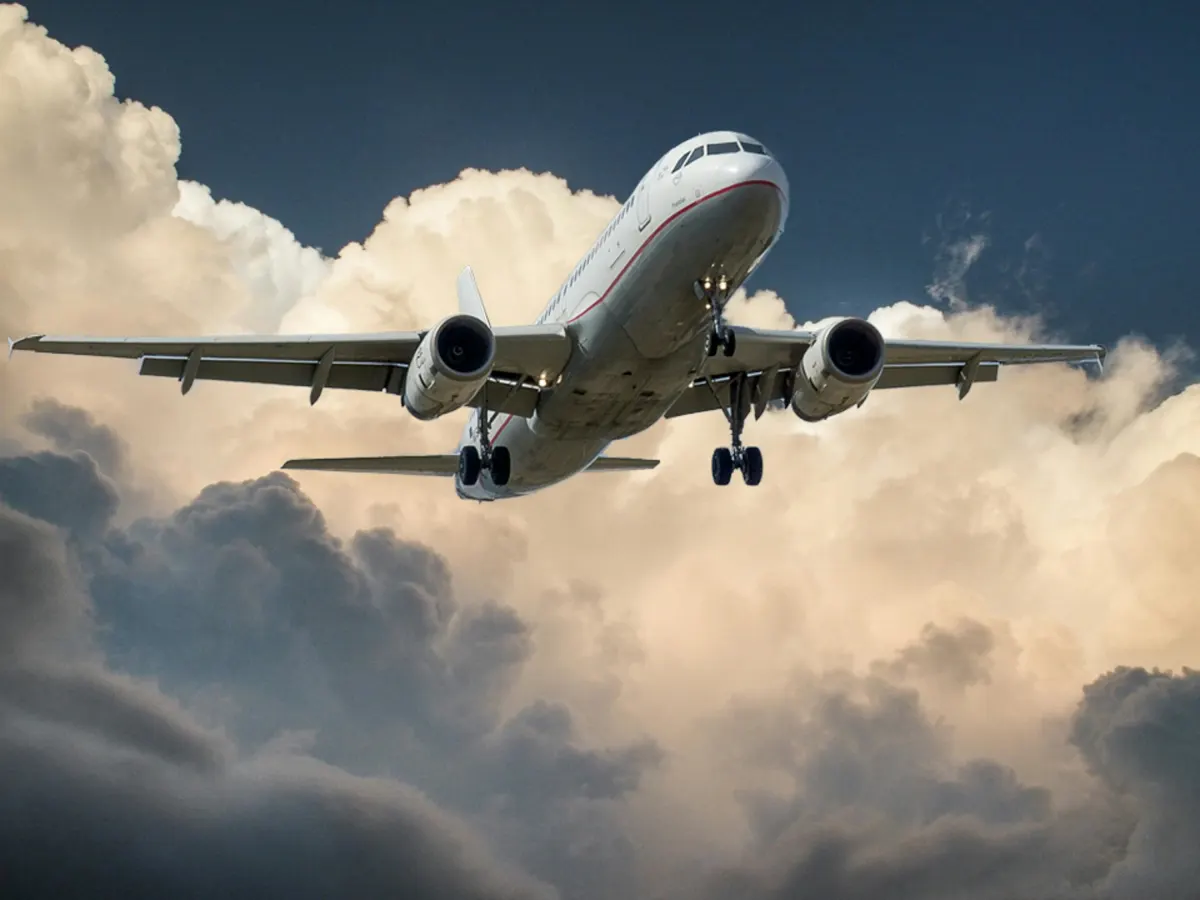
National Airlines has received its first Boeing 777-200F freighter, a key step in its fleet modernization and expansion of its global cargo network.
Key Takeaways
- •Receives its first Boeing 777-200F freighter on April 14, 2026, registered as N791CA.
- •Part of a four-aircraft order from the 2024 Farnborough International Airshow to modernize its fleet.
- •Enhances cargo capacity with the 777-200F's 102-tonne payload and 4,970 nautical mile range.
- •Represents an industry-wide shift from quad-engine 747 freighters to more fuel-efficient twin-engine models.
National Airlines has taken delivery of its first Boeing 777-200F freighter, a strategic move that marks a significant milestone in the carrier's fleet modernization program. The aircraft, registered as N791CA, was officially handed over on April 14, 2026, at Boeing's Everett facility. This delivery is the first of a four-aircraft order placed at the 2024 Farnborough International Airshow and signals the airline's shift toward more efficient twin-engine cargo operations.
The addition of the 777-200F is central to National Airlines' strategy to enhance its operational capabilities and expand its global reach. The aircraft, with a Manufacturer Serial Number (MSN) of 70547, will operate under the airline's Federal Aviation Administration (FAA) Part 121 certification. The twin-engine freighter provides a combination of long range and high payload capacity, allowing the carrier to offer more direct, non-stop routes for its customers in the global logistics sector.
Fleet Modernization and Specifications
The delivery underscores a broader industry trend of transitioning from aging four-engine freighters to more economical twin-engine models. National Airlines' current fleet of 15 aircraft includes a substantial force of nine Boeing 747-400 freighters. While the 747 has been a workhorse for decades, the 777-200F offers compelling operational advantages.
According to Boeing's official specifications, the 777-200F boasts a maximum payload capacity of 102 tonnes (224,900 lbs) and a maximum range of 4,970 nautical miles (9,200 km). This capability enables it to connect major cargo hubs across continents without refueling stops. Furthermore, its GE90 engines contribute to approximately 30% lower CO2 emissions compared to the quad-engine freighters it is set to replace, aligning with tightening global environmental standards.
In a statement following the original 2024 order, Stephanie Pope, President and CEO of Boeing Commercial Airplanes, noted that the 777 Freighter's capacity and reliability make it a foundational aircraft for operators building their future fleets. For National Airlines, this translates into offering more advanced and customized cargo solutions, as highlighted by Chairman Christopher Alf.
Boeing 777-200F vs. Boeing 747-400F
| Metric | Boeing 777-200F | Boeing 747-400F |
|---|---|---|
| Maximum Payload | 102 tonnes | ~120-128 tonnes |
| Range at Max Payload | 4,970 nmi | ~4,450 nmi |
| Engine Configuration | Twin-engine (GE90) | Four-engine |
Industry Impact and Operational Changes
The integration of the 777-200F will have a significant impact across several stakeholder groups. For National Airlines' flight and maintenance crews, the new aircraft type necessitates new type-rating training and updated maintenance protocols. For global freight forwarders and shippers, the addition provides access to more reliable and efficient long-haul capacity, potentially leading to faster transit times.
However, some logistics providers note an operational limitation. While highly efficient, the 777-200F lacks the nose-loading capability of the 747-400F, which remains a critical feature for certain types of outsized and exceptionally long cargo. This strategic trade-off reflects a focus on the broader general cargo market, which prioritizes fuel efficiency and range over specialized loading capabilities.
What Comes Next
Following its delivery, N791CA is expected to enter commercial service in May 2026, subject to final operational approvals. According to delivery schedules confirmed by Boeing and the airline, the second 777-200F is anticipated to arrive in mid-2026. The remaining two aircraft from the Farnborough order are slated for delivery in late 2026 and into 2027, completing this phase of the airline's fleet renewal.
Why This Matters
This delivery is more than just a fleet addition; it represents a strategic pivot for National Airlines. By investing in the market-leading 777-200F, the carrier enhances its competitive position against other cargo operators that have already modernized their fleets. The move signals a commitment to long-term sustainability, both environmentally and economically, by reducing fuel burn and operational costs while expanding service offerings.
Frequently Asked Questions
- What are the key specifications of National Airlines' new Boeing 777-200F?
- The Boeing 777-200F freighter delivered to National Airlines has a maximum payload capacity of 102 tonnes (224,900 lbs) and a maximum range of 4,970 nautical miles (9,200 km), enabling long-haul, non-stop cargo routes.
- Why is National Airlines adding the 777-200F to its freighter fleet?
- National Airlines is modernizing its fleet to enhance operational capabilities and expand its global cargo network. The twin-engine 777-200F offers significant fuel efficiency gains and lower maintenance costs compared to its older, four-engine Boeing 747-400 freighters.
Visit omniflights.com for the latest commercial aviation news and airline industry updates. From aircraft production to supply chains, commercial aviation manufacturing news is covered at omniflights.com/manufacturing.

Written by Hardik Vishwakarma
Co-Founder & Aviation News Editor leading initiatives that improve trust and visibility across the global aviation industry. Covers airlines, airports, safety, and emerging technology.
Visit ProfileYou Might Also Like
Lufthansa to Acquire 44.9% Stake in TAP Air Portugal
Avolon Orders 70 Rolls-Royce Trent 7000 Engines
IndiGo Secures $328M Financing for 8 Airbus Aircraft

Delta Air Lines Earnings: Fuel Costs Surge, Fares Rise
FTAI Aviation Acquires 27 WestJet Boeing 737-700 Aircraft