NASA Details X-59 Supersonic Test Plans After March 19 Flight

Co-Founder & CEOAviation News Editor delivering trusted coverage across the global aviation industry.

NASA will detail upcoming X-59 quiet supersonic test flights on March 19, a key step in its mission to overturn the ban on overland supersonic travel.
Key Takeaways
- •Details upcoming flight tests for the X-59 quiet supersonic aircraft after its second flight on March 19.
- •Aims to provide acoustic data to overturn the 50-year FAA ban on overland supersonic commercial flight.
- •Targets a noise level of 75 Perceived Level in Decibels (PLdB), a quiet "sonic thump" instead of a boom.
- •Begins community overflight testing in 2026-2027 to gather public response data for regulators.
The National Aeronautics and Space Administration (NASA) will hold a media teleconference on March 19, 2026, to outline the next phase of its X-59 test flight program. The briefing follows the aircraft's scheduled second flight and marks a critical milestone for the Quiet SuperSonic Technology (Quesst) mission, an initiative designed to provide regulators with the data needed to potentially overturn the five-decade-old ban on commercial supersonic flight over land.
The X-59 program, a collaboration between NASA and Lockheed Martin's Skunk Works, is not intended to be a prototype for a commercial airliner but rather a purpose-built research vehicle. Its primary objective is to demonstrate that supersonic flight is possible without the disruptive sonic boom that led to the prohibition. Instead of a boom, the aircraft's unique design is engineered to produce a much quieter "sonic thump." The data gathered from these flights is central to changing current regulations, specifically 14 CFR 91.817, which the Federal Aviation Administration (FAA) enacted due to public concern over noise pollution from aircraft like the Concorde.
Mission Objectives and Technical Details
The core of the Quesst mission is to fly the X-59 over select U.S. communities and collect data on how residents perceive the quieter sonic thump. This acoustic validation phase is crucial for developing a new international noise standard for supersonic aircraft. According to NASA and Lockheed Martin specifications, the X-59 is designed to cruise at Mach 1.4 (approximately 925 mph) at an altitude of 55,000 feet, while generating a noise signature of just 75 Perceived Level in Decibels (PLdB). This is a significant reduction compared to the Concorde's 105-110 PLdB sonic boom.
The aircraft is powered by a single F414-GE-100 engine from General Electric (GE Aerospace), a modified version of the powerplant used in the F/A-18E/F Super Hornet. The X-59 successfully completed its first flight on October 28, 2025, which lasted 67 minutes. Jim 'Clue' Less, a NASA X-59 test pilot, stated his focus for the second flight is on "getting the test cards done and getting them done correctly." Bob Pearce, NASA's associate administrator for Aeronautics, noted the aircraft "represents a validation of what NASA Aeronautics exists to do," highlighting its role in pioneering transformative aviation technologies.
Regulatory and Historical Context
The X-59's mission is directly linked to the legacy of the Concorde, which was retired in October 2003. While an engineering marvel, Concorde's operational scope was severely limited by its powerful sonic boom, which restricted its supersonic routes to overwater corridors only. The economic model for supersonic travel proved unsustainable without access to overland routes. The X-59 aims to solve this fundamental noise problem, potentially unlocking a new market for high-speed commercial travel.
This research continues NASA's long history of X-planes, which began with the Bell X-1 breaking the sound barrier in October 1947. The X-59 represents a shift in that legacy—from simply achieving supersonic speed to mastering it quietly. The data collected will be submitted to both the FAA and the International Civil Aviation Organization (ICAO) to inform the creation of new, evidence-based noise standards.
NASA X-59 vs. Aérospatiale/BAC Concorde
| Metric | NASA X-59 | Concorde |
|---|---|---|
| Cruise Speed | Mach 1.42 | Mach 2.04 |
| Perceived Noise | 75 PLdB | 105-110 PLdB |
| Length | 99.7 ft | 202.3 ft |
Technical Analysis
The X-59 program is a critical enabler for the revival of commercial supersonic aviation. Companies developing new supersonic airliners are banking on the regulatory changes that the Quesst mission aims to facilitate. This development signals a strategic, long-term effort by U.S. aerospace institutions to reclaim leadership in high-speed flight. The program's success hinges not only on technical performance but also on public acceptance, which will be measured during the community overflight phase. For stakeholders like commercial aircraft manufacturers, a positive outcome could open a multi-billion dollar market. However, the project also faces scrutiny. Environmental groups argue that even quiet supersonic aircraft will have a disproportionately high carbon footprint due to greater fuel consumption per passenger. Furthermore, community noise advocates express concern that even a 75 PLdB thump could be disruptive if flights become frequent.
What Comes Next
Following the second flight on March 19, 2026, NASA will proceed with a series of flight tests to validate the aircraft's performance and safety. The next major phase of the Quesst mission involves community overflights, which are expected to take place between 2026 and 2027. During this period, the X-59 will fly over several U.S. cities to allow researchers to collect public response data through surveys. Upon completion of this phase, NASA expects to deliver a comprehensive dataset of its findings to the FAA and ICAO in 2027, providing the scientific basis for new supersonic noise regulations.
Why This Matters
This development is more than an experimental aircraft test; it is a foundational step toward redefining the future of commercial air travel. The success of the X-59 and the Quesst mission could lead to the repeal of regulations that have grounded civil supersonic flight over land for over 50 years. For the aviation industry, this could unlock a new era of aircraft manufacturing and airline operations, drastically reducing travel times on long-haul routes and creating a new premium travel market.
For global airline trends and commercial aviation news, turn to omniflights.com. Track policy changes, airspace rules, and global aviation governance in the Regulatory category at omniflights.com/regulatory.
Written by Hardik Vishwakarma
Co-Founder & Aviation News Editor leading initiatives that improve trust and visibility across the global aviation industry. Covers airlines, airports, safety, and emerging technology.
Visit ProfileYou Might Also Like
Discover more aviation news based on similar topics
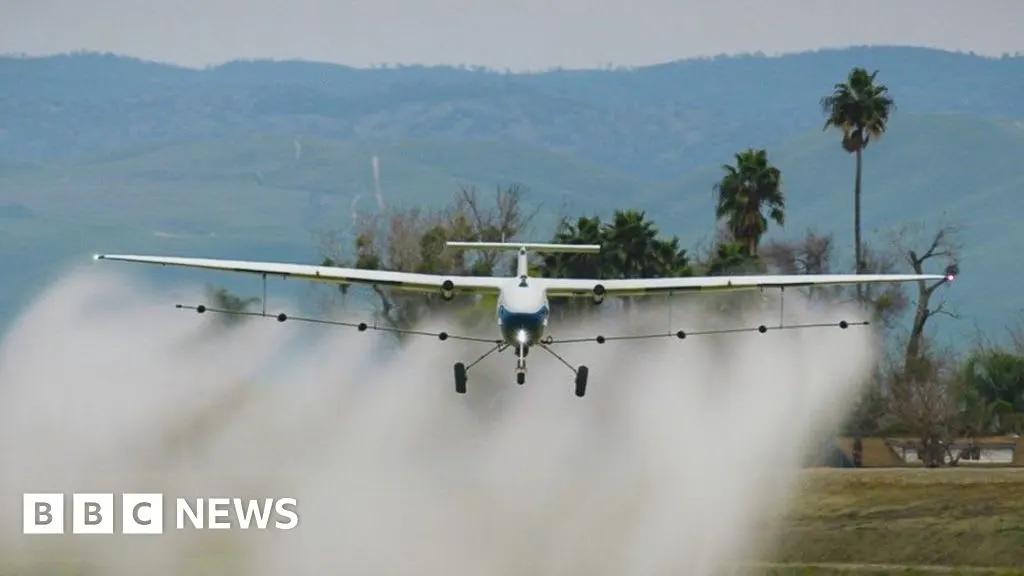
Autonomous Fixed-Wing Aircraft Development Gains Momentum
Start-ups are advancing autonomous fixed-wing aircraft for agricultural and cargo tasks, aiming to prove safety before pursuing passenger operations.

Boeing 787-9 Completes Short Inlet Tests in Montana
Boeing completed 52 hours of flight tests on a 787-9 with an experimental 30% shorter engine inlet to evaluate noise and fuel efficiency.
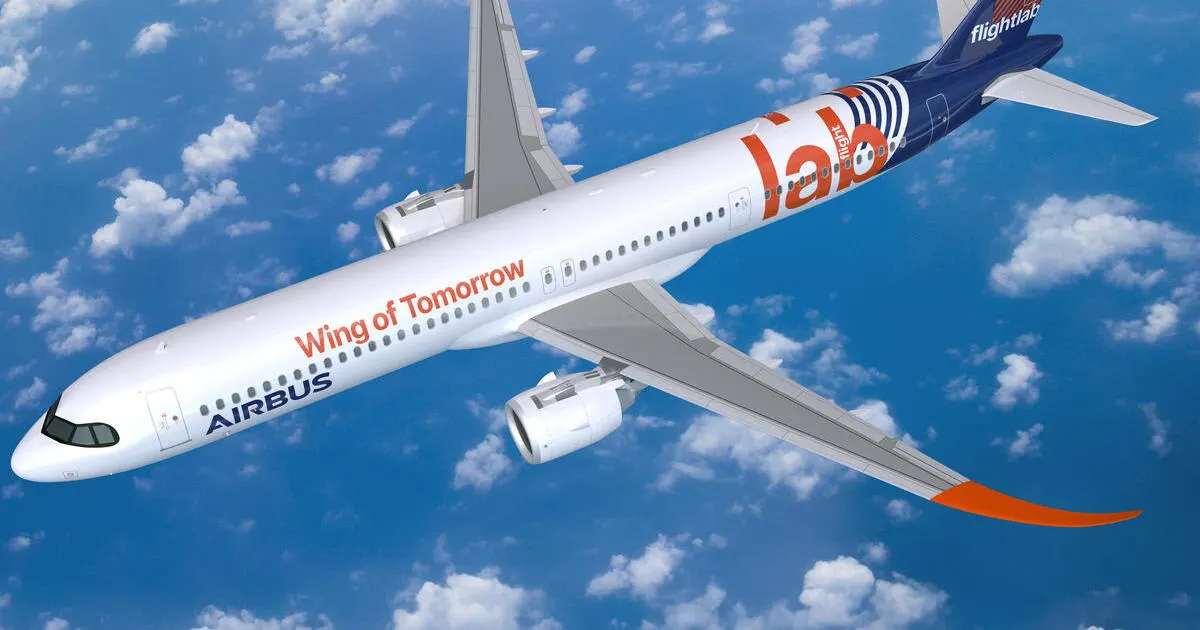
Airbus A321neo to Test Folding Wings of Tomorrow Project
Airbus launched a three-year flight-test campaign using an A321neo to evaluate folding wings that extend up to five meters.
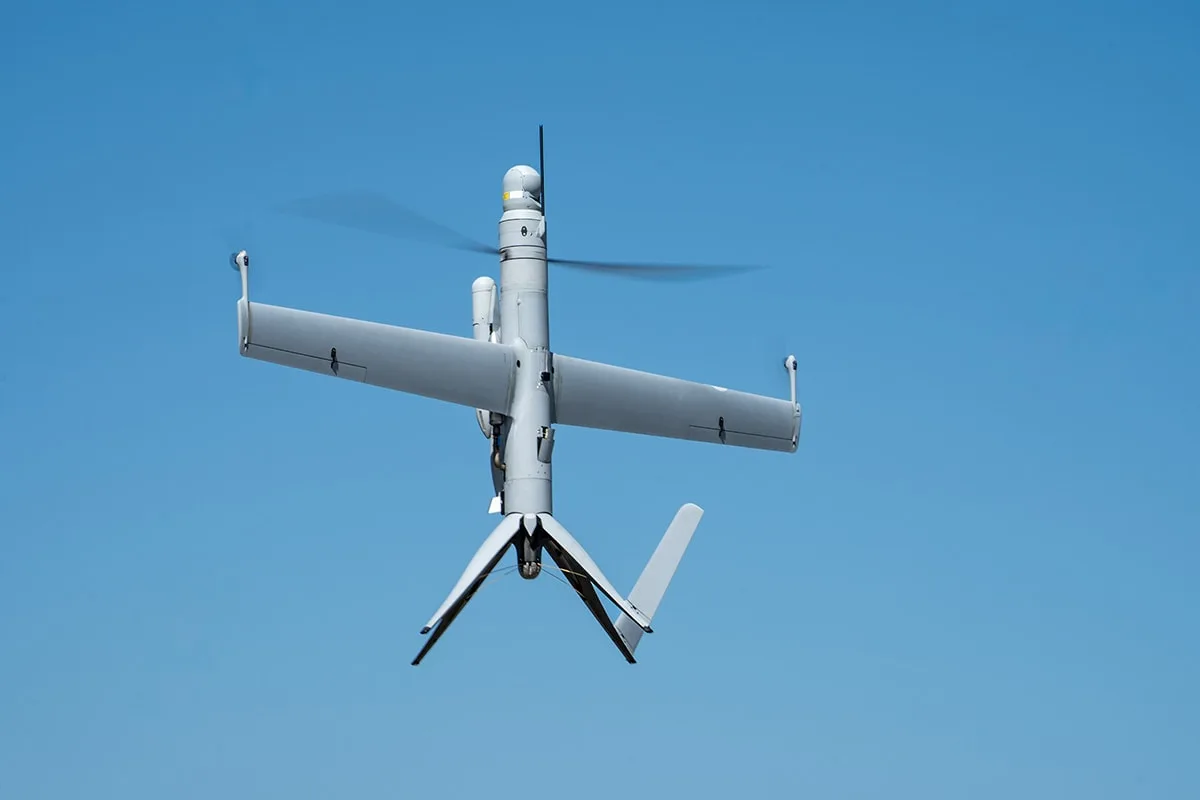
Voyageur Orders Canada's First Airbus U030 Flexrotor
Voyageur Aviation ordered Canada's first Airbus U030 Flexrotor, a 25 kg tactical drone, to expand its maritime and Arctic surveillance capabilities.
LATAM Selects SES Multi-Orbit Wi-Fi for 60+ New Jets
LATAM Airlines signed a multi-year deal with SES to equip more than 60 incoming Airbus and Embraer aircraft with multi-orbit satellite Wi-Fi.

Lufthansa 787-9 Tests Tech to Cut Fuel and Noise
Boeing, Lufthansa, and Rolls-Royce partnered to test emissions-reducing technologies on a 787-9, targeting a 20% fuel efficiency improvement.