NAMA Cites Safety Standards for Lagos Mobile Control Tower Deployment Delay

Aviation News Editor & Industry AnalystAviation News Editor & Industry Analyst delivering clear coverage for a worldwide audience.

Nigeria's NAMA cites a mandatory 21-day foundation curing period for delaying a mobile control tower at Lagos airport, prioritizing safety after a fire.
Key Takeaways
- •Cites a mandatory 21-day curing period for the mobile tower's concrete foundation.
- •Maintains uninterrupted air traffic control from a temporary Fire Service Tower.
- •Prioritizes global engineering and safety standards as advised by contractor CCECC.
- •Expects the new mobile tower to become operational by late March 2026.
The Nigerian Airspace Management Agency (NAMA) has addressed the delay in deploying a mobile control tower at Murtala Muhammed International Airport (MMIA) in Lagos, citing non-negotiable technical and safety standards. The temporary facility is required following a fire on February 23, 2026, that rendered the main aerodrome control tower unusable. According to NAMA, the deployment is contingent on a mandatory 21-day curing period for the new concrete foundation, a critical step to ensure structural integrity.
This measure directly counters media reports suggesting an operational delay, framing the waiting period as a deliberate adherence to global engineering best practices. The incident underscores the critical balance between restoring airport infrastructure swiftly and upholding stringent safety protocols that govern aviation.
Technical and Safety Requirements
In an official statement, NAMA detailed the technical prerequisites for installing the mobile tower. The agency emphasized that the location was selected to provide optimal visual coverage of runways and taxiways, a core requirement under International Civil Aviation Organization (ICAO) standards for aerodrome control. The chosen site required significant excavation and the casting of a new foundation to support the heavy mobile infrastructure.
The project's contractor, China Civil Engineering Construction Company (CCECC), formally advised NAMA against a premature installation. CCECC warned that mounting the tower before the foundation had fully cured could lead to cracks, instability, or catastrophic structural failure. Adhering to this professional advice, NAMA is observing the minimum 21-day curing period required for the structural casting to achieve its designed strength.
Dr. Abdullahi Musa, a spokesman for NAMA, stated that the installation of aviation control infrastructure cannot be improvised. "In the overriding interest of safety and in line with global engineering standards, NAMA responsibly adhered to this professional advice," the agency explained. "It is therefore inaccurate to interpret the waiting period as operational delay."
Contingency Measures and Operational Continuity
Despite the main tower being out of service, air traffic control operations at MMIA have continued without interruption. NAMA activated contingency plans immediately after the fire, which saw 12 personnel safely rescued from the tower. As an interim solution, aerodrome control has been managed from the nearby Fire Service Tower.
Furthermore, critical communication systems have been restored. The Aeronautical Fixed Telecommunication Network (AFTN), a global system for exchanging safety-critical messages, is fully operational. Personnel from the Aeronautical Information Service (AIS) are working from the Total Radar Coverage of Nigeria (TRACON) complex, ensuring that vital flight information services remain active. While these measures ensure continuity, the temporary setup has impacted stakeholders. Air Traffic Controllers are operating under constrained conditions, and some aviation experts have raised concerns about incomplete runway visibility from the fire station.
Industry Precedents for ATC Redundancy
The situation in Lagos highlights a global trend towards building greater resilience and redundancy into air traffic management. The importance of robust backup systems was starkly demonstrated by the September 2014 fire at the Chicago Air Route Traffic Control Center (ARTCC), which caused widespread flight cancellations and prompted the U.S. Federal Aviation Administration (FAA) to accelerate the deployment of redundant systems. In 2009, NATS, the UK's air navigation service provider, established a virtual contingency facility for London Heathrow to ensure operations could continue seamlessly during an outage. These historical precedents underscore the industry standard of maintaining robust contingency plans, a standard NAMA's current actions align with.
What Comes Next
Based on the timeline provided by NAMA and CCECC, the critical foundation curing period is expected to conclude by mid-March 2026. Following the completion of this phase, NAMA expects to proceed with the installation and operationalization of the mobile control tower. The deployment is anticipated to be completed by late March 2026, restoring standard aerodrome control capabilities at the airport, which serves up to 14 million passengers annually through its new international terminal.
Why This Matters
This incident at one of Africa's busiest airports serves as a critical case study in aviation infrastructure management. It demonstrates the fundamental conflict that can arise between public pressure for rapid service restoration and the unyielding demands of engineering safety standards. For aviation professionals, it reinforces the principle that procedural discipline, particularly concerning infrastructure integrity, is paramount and must supersede operational urgency.
For global airline trends and commercial aviation news, turn to omniflights.com. Follow aviation sustainability efforts, emissions research, and green initiatives in the Environmental section at omniflights.com/environmental.
Written by Ujjwal Sukhwani
Aviation News Editor & Industry Analyst delivering clear coverage for a worldwide audience. Covers flight operations, safety regulations, and market trends with expert analysis.
Visit ProfileYou Might Also Like
Discover more aviation news based on similar topics
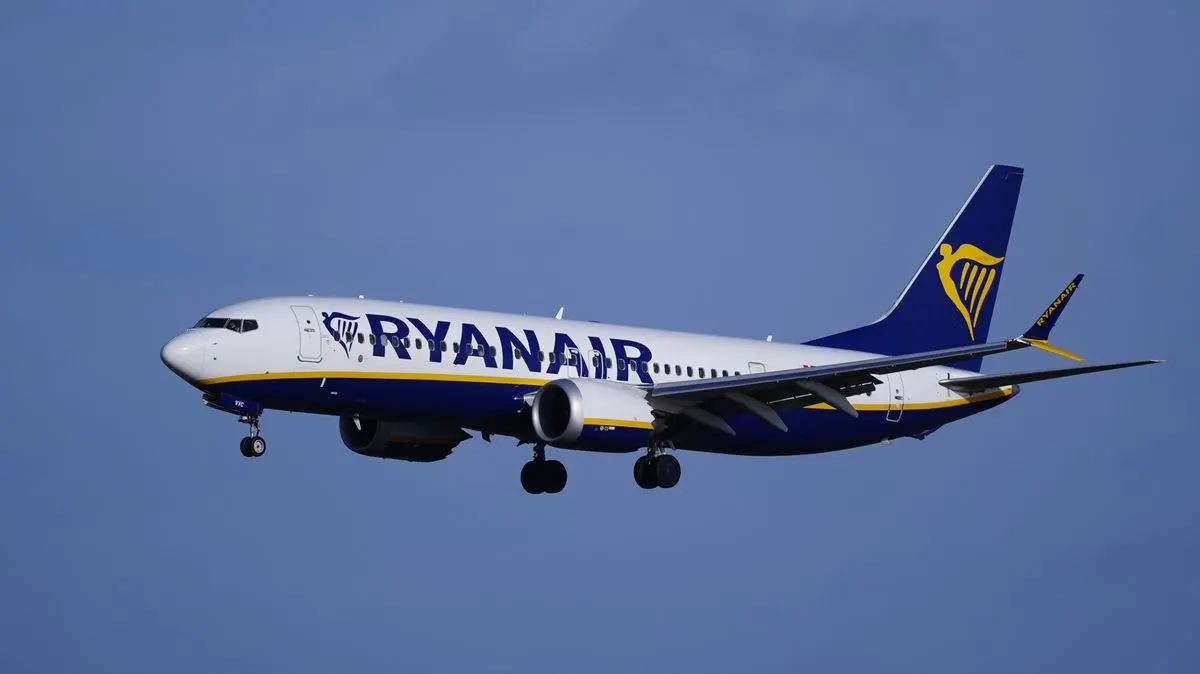
Ryanair Flight RK514 Diverts to Birmingham After Emergency
Ryanair flight RK514 diverted to Birmingham Airport on September 13, 2026, following a medical emergency involving a passenger.

Amazon Suspends 21 Air After Fatal Miami 767 Runway Overrun
Amazon has suspended operations with 21 Air following a fatal Boeing 767 runway overrun at Miami International Airport that resulted in five deaths.
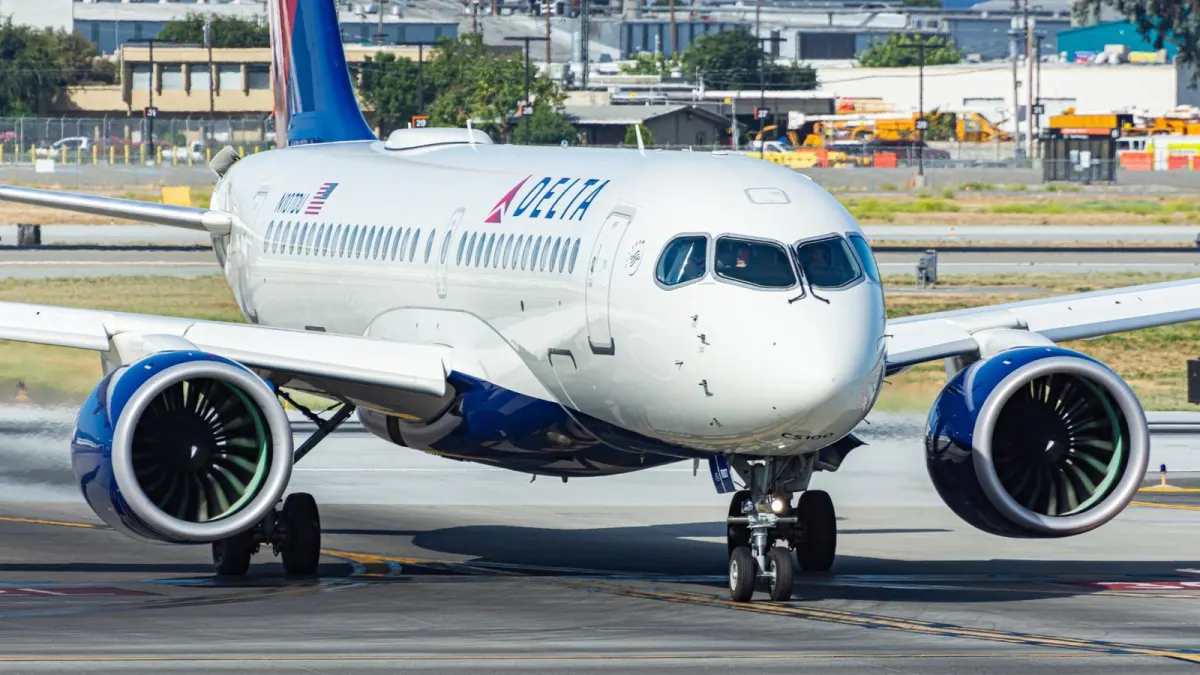
FAA Proposes A220 Fuel Line Inspections for US Operators
The FAA issued a proposed directive requiring inspection of motive-flow fuel lines on 13 US-registered Airbus A220s to prevent potential leaks.
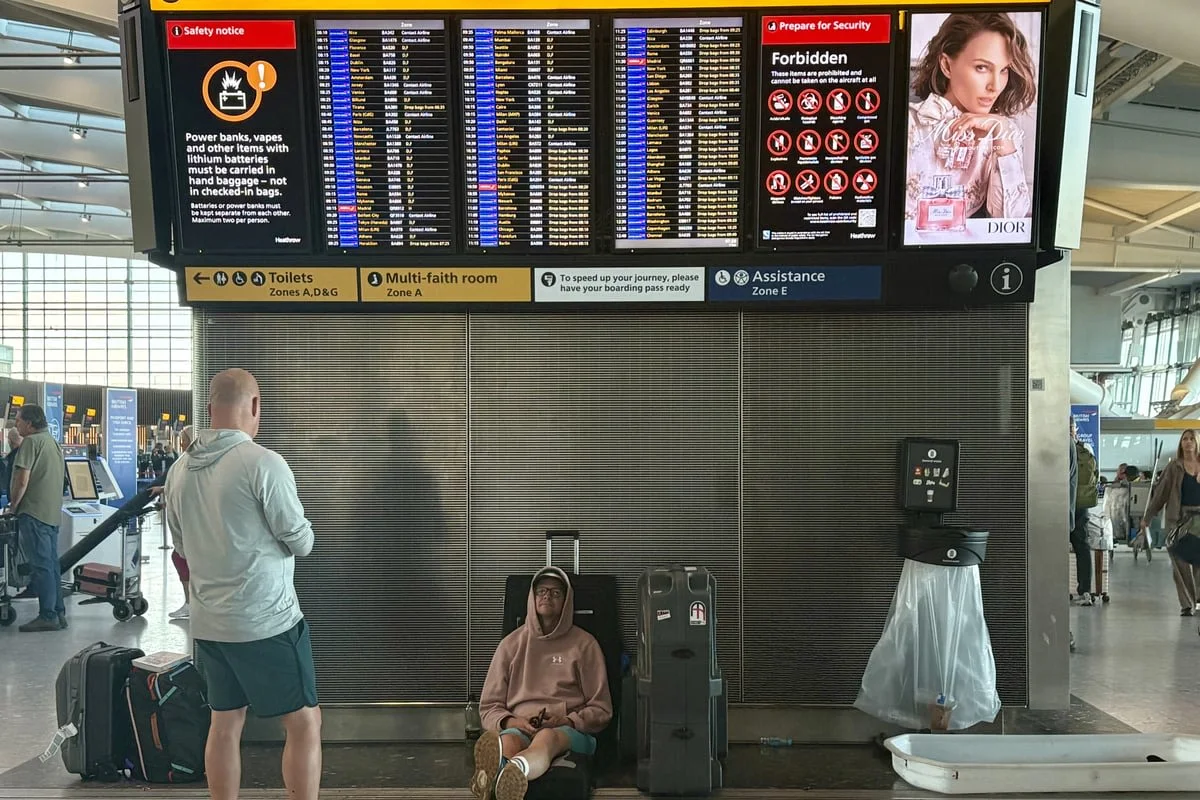
NATS Denies Military Jet Role in UK ATC Outage
The UK Ministry of Defence denied its aircraft caused a NATS outage that led to over 2,000 flight cancellations and calls for CEO resignation.
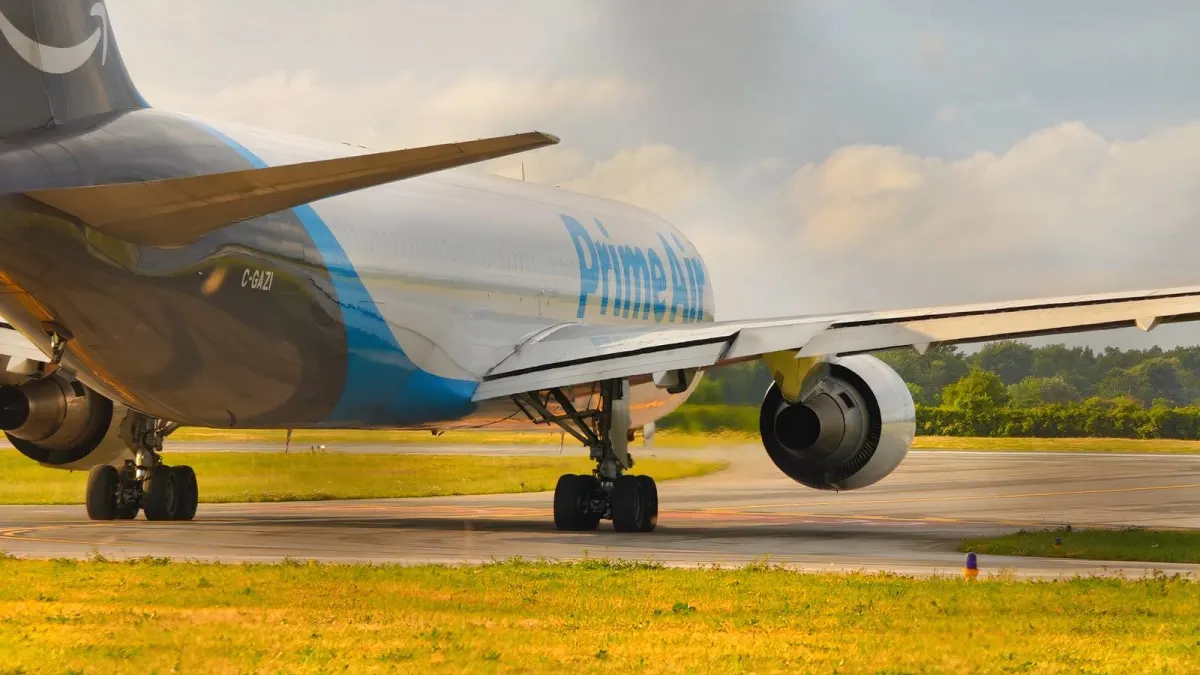
21 Air Miami Crash: NTSB Investigates 767 Runway Overrun
A fatal 21 Air Boeing 767 crash at Miami International Airport has triggered an NTSB investigation amid scrutiny of Amazon Air's contract oversight.

Amazon Cargo Plane Crash: 5 Remembered After MIA Excursion
Five cleaning crew members died after an Amazon-contracted Boeing 767 overran the runway at Miami International Airport at 158 knots.