Mount Royal University Tackles Pilot Gender Gap With Outreach Event

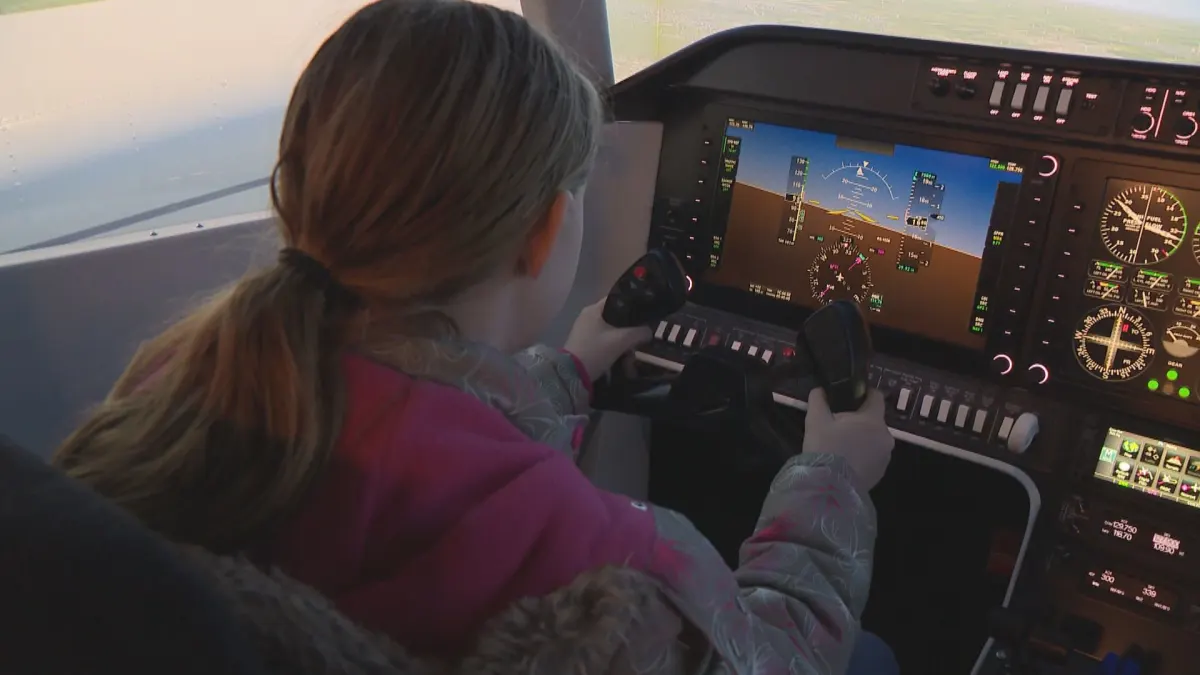
Mount Royal University hosted a Women in Aviation Day to address the industry's significant gender gap and inspire future female pilots and professionals.
Key Takeaways
- •Highlights the critical underrepresentation of women in aviation, with pilots at only 4-6% globally.
- •Showcases Mount Royal University's outreach event aimed at attracting more women to the industry.
- •Emphasizes the crucial role of mentorship and visible role models in closing the aviation gender gap.
- •Connects local university initiatives to broader industry goals like IATA's '25by2025' program.
To address the critical underrepresentation of women in the aviation industry, Mount Royal University (MRU) hosted a Women in Aviation Day at Calgary’s Springbank Airport. The event aimed to provide networking opportunities and showcase career pathways for prospective female pilots, connecting students with industry leaders and mentors.
This initiative comes as the global aviation sector grapples with a significant gender imbalance across key technical roles. Data from the International Civil Aviation Organization (ICAO) shows that the overall participation of women as pilots, air traffic controllers, and maintenance technicians saw a marginal increase from 4.5% in 2016 to 4.9% in 2021. Such outreach events are seen as a vital strategy for improving female pilot representation and fostering a more diverse aviation workforce.
The Statistical Reality of Women in Aviation
The gender disparity is most pronounced in the cockpit. Globally, the percentage of women airline pilots is estimated to be between 4% and 6%, according to the CAPA Centre for Aviation. In Canada, while progress is being made, the numbers remain low. The Institute for Women of Aviation Worldwide (iWOAW) reported that in 2023, only 12% of new pilot licenses issued in the country went to women. Of those, 12.3% were for commercial pilots and 8.1% were for airline transport pilots.
The challenge extends beyond the flight deck. According to ICAO, the percentage of female aircraft maintenance engineers and technicians globally rose from just 2.7% in 2016 to 3.0% in 2021. In the United States, FAA statistics indicate that women accounted for only 2.6% of certificated aircraft mechanics. The role of air traffic controller shows a higher rate of female participation, at approximately 20.6% globally in 2021, but it remains an outlier among technical aviation professions.
Mentorship and Representation as Key Drivers
The MRU event focused on the power of visibility and mentorship. “We have a bunch of industry representatives,” said Kacy Cameron, an MRU second-year aviation student and event organizer. “They have sent all their female pilots — as much as they could — just to show some inspiration for the younger generation.”
This sentiment was echoed by Amy Cruickshank, an Air Canada pilot and MRU graduate who attended the event to share her experience. “I think it’s always important to see yourself represented,” said Cruickshank. “I’m here answering questions and showing young women that this is a great career choice.”
The importance of early exposure and role models is a recurring theme in industry discussions. Many leaders advocate for educating children about aviation careers before the age of 10 to foster interest. Events like the one at MRU, which attracted attendees as young as 12-year-old Air Cadet Claire Gaida, are designed to make these connections early and provide tangible examples of success.
Broader Industry Initiatives
The effort at Mount Royal University, which offers an aviation diploma and a Bachelor of Aviation Management degree, aligns with larger, international campaigns. The International Air Transport Association (IATA), for example, launched the '25by2025' initiative, which aims to improve female representation in senior roles and under-represented areas by 25%, or to a minimum of 25%, by the year 2025. This global push recognizes that attracting more women is not just an equity issue but a strategic necessity for addressing workforce shortages and fostering innovation.
Organizations like Women in Aviation International (WAI) and ICAO's Gender Equality Programme also play a critical role by providing networking, mentorship, and scholarship opportunities. However, industry data suggests that while the number of new female pilots is growing, retention through the prime working years remains a significant challenge, indicating that recruitment efforts must be paired with systemic changes to support career longevity.
Why This Matters
Initiatives like Mount Royal University's Women in Aviation Day are crucial micro-level actions that support a macro-level industry goal: building a more resilient and diverse talent pipeline. As the aviation industry faces a sustained pilot and technician shortage, tapping into underrepresented demographics is essential for long-term operational stability. By providing direct access to role models and demystifying career paths, such events help break down perceived barriers and encourage a new generation to consider careers on the flight deck, in the control tower, and in the hangar.
From airline operations to fleet updates, commercial aviation news lives at omniflights.com. Track policy changes, airspace rules, and global aviation governance in the Regulatory category at omniflights.com/regulatory.

Written by Ujjwal Sukhwani
Aviation News Editor & Industry Analyst delivering clear coverage for a worldwide audience. Covers flight operations, safety regulations, and market trends with expert analysis.
Visit ProfileYou Might Also Like

Dubai Aerospace Enterprise Completes United Airlines Lease

RTX Reports Record $340B Backlog and Strong Q3 2026 Growth
Boeing 737 MAX Litigation Nears Resolution in Chicago
Qatar Airways Enters Japanese JOLCO Financing Market

United Nigeria Airlines Plans N20bn Commercial Paper Debt