Montreal Metropolitan Airport: Is YHU Cheaper Than YUL?

Co-Founder & CEOAviation News Editor delivering trusted coverage across the global aviation industry.
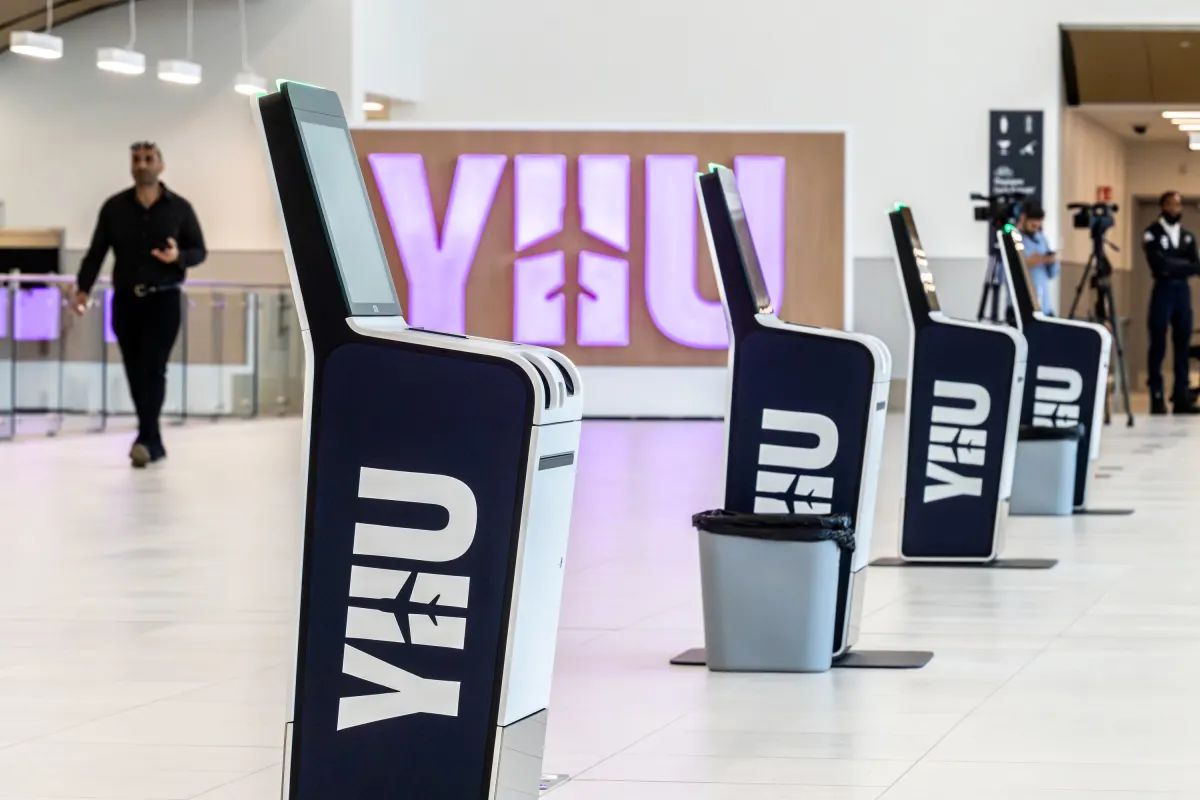
Montreal Metropolitan Airport (YHU) opened its new terminal, offering travelers lower parking and airport fees compared to Montreal-Trudeau (YUL).
Key Takeaways
- •YHU charges a $35 AIF, compared to $46 at YUL.
- •Parking at YHU starts at $24/day, significantly lower than YUL's $35/day.
- •Porter Airlines serves as the anchor tenant at the new YHU terminal.
- •YUL is currently undergoing a $10 billion capacity expansion through 2035.
A New Gateway for Montreal Travellers
Montrealers now have a secondary option for domestic travel following the official opening of the new terminal at Montreal Metropolitan Airport (YHU) in St-Hubert on June 15, 2026. As the anchor tenant, Porter Airlines has launched a series of domestic routes from the South Shore facility, positioning it as a strategic alternative to Montréal-Pierre Elliott Trudeau International Airport (YUL). For many passengers, the shift raises a critical question: does the added convenience of a smaller facility translate into tangible savings on airfare and ground costs?
Price Competition and Fee Structures
Initial market data suggests that while savings vary by route, the lower cost base at YHU provides a competitive edge for budget-conscious travellers. A key driver of this difference is the Airport Improvement Fee (AIF). At YHU, the AIF is set at $35 per ticket. In contrast, passengers departing from YUL face an effectively higher cost of approximately $46, which incorporates a $40 base fee plus applicable GST/QST taxes. These fees are collected by airport authorities under agreements with Transport Canada to fund infrastructure.
For basic fares, some routes show savings of up to $100 per flight when booking through Porter Airlines. However, price parity exists on several high-frequency routes, and legacy carriers like Air Canada continue to match or adjust pricing to remain competitive. Travellers should note that these price comparisons often exclude checked or carry-on luggage, which can significantly alter the total trip cost.
Ground Transportation and Parking Dynamics
Beyond ticket prices, the cost of accessing the airport serves as a major differentiator. Parking at YHU is priced at $24 per day in the economy lot, which is situated only 25 metres from the terminal entrance. This is notably lower than YUL, where daily parking rates start at $35. Additionally, the airport provides 2,600 parking spaces to accommodate the expected increase in passenger traffic.
Public transit options also differ significantly. YUL is currently served by the Société de transport de Montréal (STM) 747 bus, which connects to the metro system. Meanwhile, YHU is linked via the Réseau de transport de Longueuil (RTL) 428 shuttle, providing a direct connection to the Longueuil—Université-de-Sherbrooke metro station. While YUL remains the primary hub for international traffic, its ongoing $10 billion 'Flight Plan 2028-2035' expansion program is designed to address the capacity constraints that have historically pushed airlines to seek secondary locations.
The Strategic Shift to Secondary Hubs
This development reflects a broader industry trend of repurposing industrial airfields into boutique commercial terminals to relieve pressure on primary hubs. This pattern mirrors the 2006 opening of Billy Bishop Toronto City Airport (YTZ), where Porter Airlines successfully established a regional hub that challenged the dominance of Toronto Pearson International Airport (YYZ). Similarly, the 2019 launch of commercial service at Paine Field (PAE) in Washington state demonstrated how smaller facilities can effectively absorb domestic volume from congested major gateways.
For Aéroports de Montréal (ADM), the rise of YHU represents a minor shift in domestic volume that, paradoxically, aids in managing immediate capacity pressure at YUL. For airlines like Pascan Aviation, the facility offers lower turnaround times and operating costs, which are essential for maintaining profitability on regional Quebec routes. Conversely, legacy carriers face increased pressure to optimize their cost structures on domestic routes to mitigate the impact of this new competition.
Future Infrastructure Milestones
As Montreal’s aviation landscape evolves, several infrastructure milestones remain on the horizon. The completion of the YUL Réseau express métropolitain (REM) station, expected by 2027, will provide a vital transit link to the primary international airport. Following this, YUL is scheduled to complete a new satellite jetty and additional drop-off zones by 2028, with the full scope of the 'Flight Plan 2028-2035' expansion expected to conclude by 2035. These developments will be critical in shaping the competitive balance between the city’s two primary commercial airports over the next decade.
Why This Matters for Montreal Travellers
For South Shore commuters, the opening of YHU significantly reduces travel times by bypassing the bridge traffic often associated with trips to YUL. The facility provides a lower-cost alternative for domestic travel, forcing a re-evaluation of pricing strategies among major Canadian carriers. As the market matures, the success of YHU will likely depend on its ability to maintain seamless ground connectivity and consistent flight frequency, ultimately reshaping how Montrealers approach domestic air travel.
Frequently Asked Questions
- What is the difference in Airport Improvement Fees between YHU and YUL?
- The Airport Improvement Fee at Montreal Metropolitan Airport (YHU) is $35, while the fee at Montreal-Trudeau (YUL) is approximately $46, including applicable taxes.
- How does parking at YHU compare to YUL?
- Parking at YHU starts at $24 per day in the economy lot, located 25 metres from the terminal. Parking at YUL starts at $35 per day.
For in-depth airline coverage and commercial aviation news, omniflights.com delivers timely industry insights. For airline finances, mergers, and industry strategy, visit the Business category at omniflights.com/business.
Written by Hardik Vishwakarma
Co-Founder & Aviation News Editor leading initiatives that improve trust and visibility across the global aviation industry. Covers airlines, airports, safety, and emerging technology.
Visit ProfileYou Might Also Like
Discover more aviation news based on similar topics

Red Sea Airlines Leases Two 737 MAX 8s for 2027 Expansion
Red Sea Airlines signed a lease for two Boeing 737 MAX 8 aircraft from SMBC Aviation Capital, arriving in 2027 to support its 14-aircraft fleet goal.
Avelo CEO Warns Airfares May Rise on Jet Fuel Price Spikes
Avelo Airlines CEO Andrew Levy warns that rising fuel costs may force fare increases as global jet fuel prices reach $171.01 per barrel.
IndiGo, Air India Battle for Mumbai-Delhi Route Dominance
IndiGo and the Air India group are competing for dominance on the Mumbai-Delhi air route, which saw 13.9 percent capacity growth this September.

Delta Air Lines Trims 5 Routes, Cuts Las Vegas Capacity
Delta Air Lines will end five domestic routes from New York and Las Vegas this winter as part of a seasonal network capacity adjustment.

FLY91 Orders 40 ATR 72-600s for Regional Fleet Expansion
Indian startup FLY91 has placed a firm order for 40 ATR 72-600 aircraft, valued at $1 billion, to scale its regional fleet to 60 planes by 2032.

SWISS Takes Delivery of Third Airbus A350-900 Named 'Zug'
Swiss International Air Lines has welcomed its third Airbus A350-900, which will feature the new 'SWISS Senses' cabin on select long-haul routes.