MoCA Confirms 7,205 Passenger Arrivals from West Asia on March 5

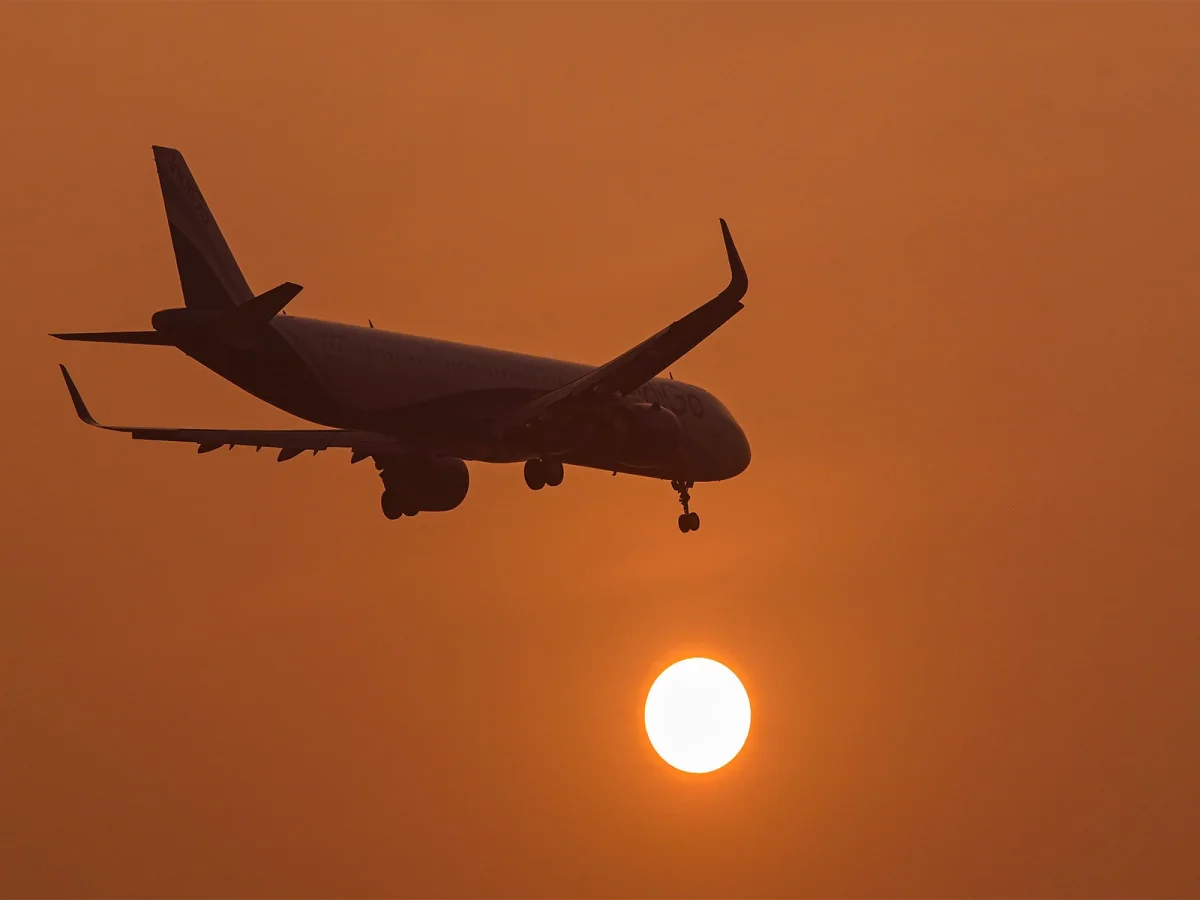
India's MoCA confirmed 7,205 passengers arrived from West Asia on March 5 as it monitors ongoing air travel disruptions and widespread flight cancellations.
Key Takeaways
- •Operated 40 inbound flights from West Asia carrying 7,205 passengers on March 5.
- •Monitors regional instability that led to 281 domestic flight cancellations on the same day.
- •Established a Passenger Assistance Control Room that has addressed 1,461 grievances.
- •Planned 51 flights for March 6, contingent on operational feasibility and safety.
India's Ministry of Civil Aviation (MoCA) is actively monitoring significant air travel disruptions between India and West Asia caused by escalating regional tensions. According to an official statement, Indian carriers are making necessary operational adjustments to ensure passenger safety. On March 5, 40 inbound flights operated by Indian carriers arrived in India from the region, carrying a total of 7,205 passengers.
The MoCA's oversight comes as the cumulative number of passenger arrivals from West Asia reached 14,992 as of March 5. The situation remains fluid, with airlines and the ministry coordinating on a daily basis to manage flight schedules and capacity in the affected airspace.
Operational Impact and Passenger Numbers
The most recent data released by the government provides a clear picture of the ongoing operational challenges. The arrival of 7,205 passengers on March 5 represents a substantial volume of traffic being managed amidst the crisis. According to an official press release from the Press Information Bureau, the MoCA confirmed these figures and noted that for the following day, March 6, a total of 51 flights were planned for operation by Indian carriers. However, these operations remain subject to operational feasibility and the prevailing conditions in the region.
The disruption is not limited to international routes. The instability in West Asia has had a cascading effect on domestic air travel within India. On March 5, a total of 281 domestic flights scheduled to be operated by Indian carriers were cancelled. The ministry has not specified the exact reasons for the domestic cancellations, but they coincide with the broader operational reshuffling required to manage the international crisis.
Government Response and Passenger Support
The MoCA has implemented several measures to mitigate the impact on travelers. The ministry stated it is in continuous contact with airlines and is closely monitoring airfares to prevent any undue surge in ticket prices. This proactive monitoring is intended to protect consumers from price gouging during a period of high uncertainty and demand.
To provide direct assistance to affected passengers, a dedicated Passenger Assistance Control Room (PACR) is functioning around the clock. This control room offers real-time support and coordinates with airlines and other stakeholders to resolve traveler issues. In conjunction with the PACR, the government is leveraging its AirSewa portal, a digital platform for grievance redressal. Through these channels, a total of 1,461 passenger grievances have been addressed during this period. The ministry has advised passengers to remain in close contact with their respective airlines for the latest updates on flight schedules.
Geopolitical Context
The aviation disruptions are a direct consequence of escalating military tensions in West Asia. The conflict reportedly entered its seventh day following a joint US-Israel military strike on Iranian territory on February 28. The strike is said to have resulted in the death of senior Iranian figures, prompting a significant military response from Tehran.
In retaliation, Iran launched a series of drone and missile attacks targeting American military bases and Israeli assets across multiple countries in the region. This exchange has rendered large sections of airspace unsafe for civil aviation, forcing airlines to either cancel flights or undertake lengthy and costly rerouting. The ongoing nature of the conflict suggests that disruptions to air travel between India and West Asia could persist for an extended period, requiring continued vigilance and adaptive planning from both airlines and regulatory bodies.
Why This Matters
This situation underscores the vulnerability of international aviation to geopolitical instability. The immediate impact on thousands of passengers and the cancellation of hundreds of flights highlight the critical role of government bodies like the MoCA in crisis management. The ministry's focus on monitoring airfares and providing passenger support demonstrates a coordinated effort to maintain operational order and consumer protection. For the broader industry, it serves as a reminder of the operational and financial risks posed by regional conflicts, which can instantly close vital air corridors and disrupt global travel networks.
omniflights.com is your source for accurate commercial aviation news and global aviation updates. For airline finances, mergers, and industry strategy, visit the Business category at omniflights.com/business.

Written by Ujjwal Sukhwani
Aviation News Editor & Industry Analyst delivering clear coverage for a worldwide audience. Covers flight operations, safety regulations, and market trends with expert analysis.
Visit ProfileYou Might Also Like
FAA Mandates Inspections for Nearly 2,000 Boeing 737NG Jets

FAA Proposes Inspection Rule for 980 Airbus Helicopters

FAA Clears Boeing 737 MAX 10 Software Glitch

FAA Faces $3.5 Billion Shortfall in ATC Modernization

FAA Pauses Flights into LAX Due to Staffing Shortages