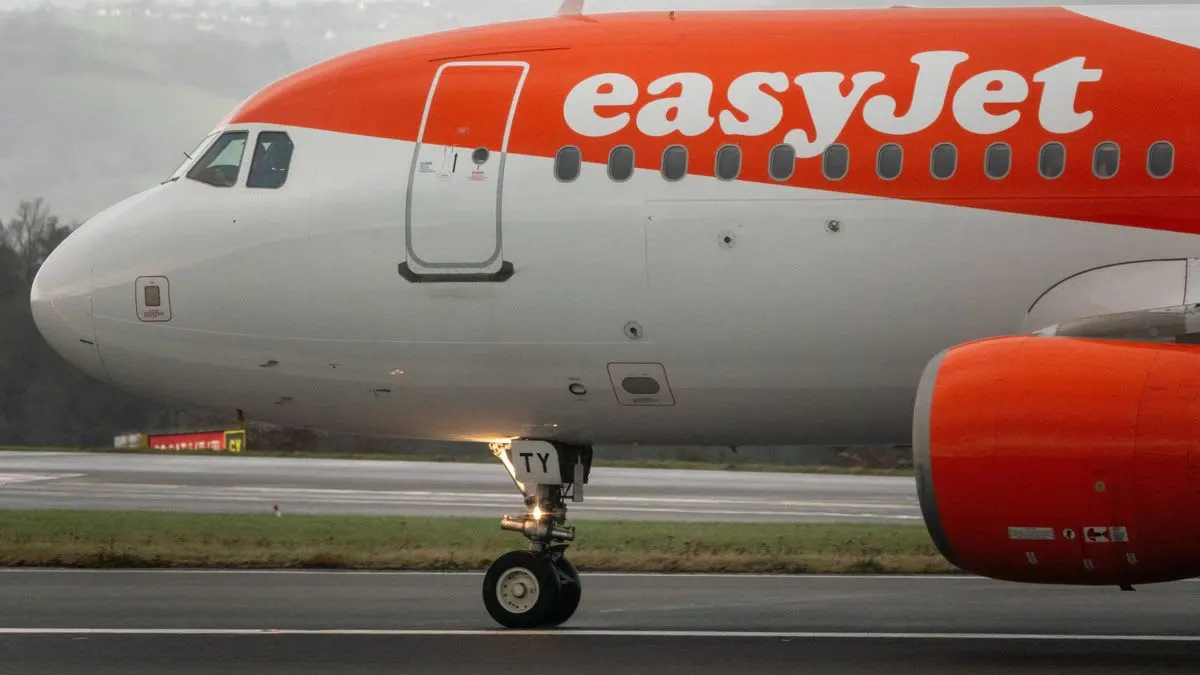
Mideast Conflict Triggers Mass Flight Cancellations; Millions Stranded


Widespread airspace closures amid the Iran conflict have led to over 23,000 flight cancellations, stranding an estimated 1.5 million passengers.
Key Takeaways
- •Cancelled over 23,000 flights since late February, affecting an estimated 4.4 million passenger seats.
- •Cost the Middle East aviation sector over $2.6 billion in lost revenue in the first four days of the conflict.
- •Forced major hubs like Dubai (DXB) and Doha (DOH) to suspend or severely limit flight operations.
- •Prompted EASA and the FAA to issue urgent safety warnings recommending airlines avoid the region's airspace.
A rapidly escalating conflict in the Middle East has plunged the region's aviation sector into chaos, with widespread airspace closures forcing the cancellation of over 23,000 flights since late February. The ongoing disruption has created a significant air travel crisis, stranding an estimated 1.5 million passengers and severely impacting global flight operations.
The mass cancellations, which affect roughly 4.4 million passenger seats, stem from a series of airspace restrictions implemented by national civil aviation authorities in Iran, Iraq, Qatar, Kuwait, and the United Arab Emirates. These measures have effectively severed key air corridors connecting Europe and Asia, forcing a complete operational rethink for major international carriers.
Operational Gridlock and Regulatory Warnings
The impact on the region's critical aviation hubs has been immediate and severe. Dubai International Airport (DXB), the world's busiest for international traffic, was directly impacted by retaliatory strikes, compelling an evacuation and leading to nearly 4,000 flight cancellations by March 7, according to an analysis by Time Magazine. Similarly, Hamad International Airport (DOH) in Doha, Qatar, temporarily suspended all flight operations due to airspace closures, affecting over 2,000 flights.
In response to the heightened risk, aviation safety bodies have issued urgent directives. The European Union Aviation Safety Agency (EASA) has published a Conflict Zone Information Bulletin (CZIB) recommending that operators avoid the airspace of Iran, Iraq, Israel, Jordan, and other Gulf nations at all altitudes. The U.S. Federal Aviation Administration (FAA) also issued a Notice to Air Missions (NOTAM) advising caution for American carriers operating in the region. This has been reinforced by multiple governments, including the U.S. and Australia, which have issued 'Do Not Travel' advisories.
Courtney Miller, an aviation safety expert with Visual Approach, highlighted the industry's alarm, telling CBC News that a drone attack on Dubai airport was particularly concerning. Colin Peck, a partner at Browne Jacobson, noted the tangible risk to ground assets, stating, "Airports and aircraft on the ground may well be at risk from retaliatory attacks from Iran and/or misguided strikes from Israel and the US."
Severe Financial and Economic Fallout
The financial toll on the aviation industry has been substantial. In the first four days of the conflict alone, Middle East aviation is estimated to have suffered revenue losses exceeding $2.6 billion. According to Al Jazeera, the seven largest Gulf carriers are facing a combined daily revenue loss of over $200 million.
These losses are compounded by surging operational costs. Airlines rerouting long-haul flights between Europe and Asia are incurring additional expenses of $6,000 to $8,000 per hour due to longer flight paths over Saudi Arabia and Egypt. These detours require more fuel, increase crew hours, and may lead to higher insurance premiums. The conflict has also roiled energy markets, with jet fuel prices in northwest Europe jumping to their highest levels since the start of the Russia-Ukraine war, as reported by PLATTS.
The disruption extends beyond passenger travel, significantly affecting global supply chains. A large portion of international air cargo is transported in the belly holds of passenger aircraft, and the widespread cancellations are creating bottlenecks and delays for critical goods.
What Comes Next
The immediate focus for airlines and governments is the logistical challenge of rebooking or repatriating millions of affected travelers. Dr. Ian Douglas, an expert in airline management, predicted the situation will be "messy for the next month for passenger flights at best, as airlines work to rebook passengers... and figure out other routes to avoid problematic airspace."
If the airspace closures and conflict persist, the industry anticipates several long-term effects. The combination of higher fuel prices, increased insurance costs, and longer routes will likely be passed on to consumers through fare hikes. The crisis also forces a strategic reassessment of the vulnerability of global aviation hubs that are concentrated in geopolitically sensitive regions.
Why This Matters
This large-scale disruption underscores the aviation industry's profound sensitivity to geopolitical instability. The crisis not only creates immense logistical and financial pressures on airlines but also highlights the systemic risks associated with the concentration of global air traffic through a handful of key hubs. For passengers and cargo shippers, it signals a period of higher costs and unpredictability, while for regulators and airlines, it forces a critical re-evaluation of conflict zone risk assessment protocols.
Access up-to-date commercial aviation news and airline industry developments via omniflights.com. For reporting on UAP sightings, investigations, and aviation-related encounters, see the UAPs section at omniflights.com/uaps.

Written by Ujjwal Sukhwani
Aviation News Editor & Industry Analyst delivering clear coverage for a worldwide audience. Covers flight operations, safety regulations, and market trends with expert analysis.
Visit ProfileYou Might Also Like
Israel Bans United Airlines Pilot Over Pro-Iran Posts

Attack on Saudi King Fahd International Airport
LATAM Airlines A320 Engine Fire During Takeoff in Peru
Riyadh Airport Limits Traffic Following Houthi Attacks
FAA Mandates Fuel Valve Inspections for A330 and A340