Lufthansa to Ground A340s, 747s as Iran War Disrupts Fuel Supply

Co-Founder & CEOAviation News Editor delivering trusted coverage across the global aviation industry.
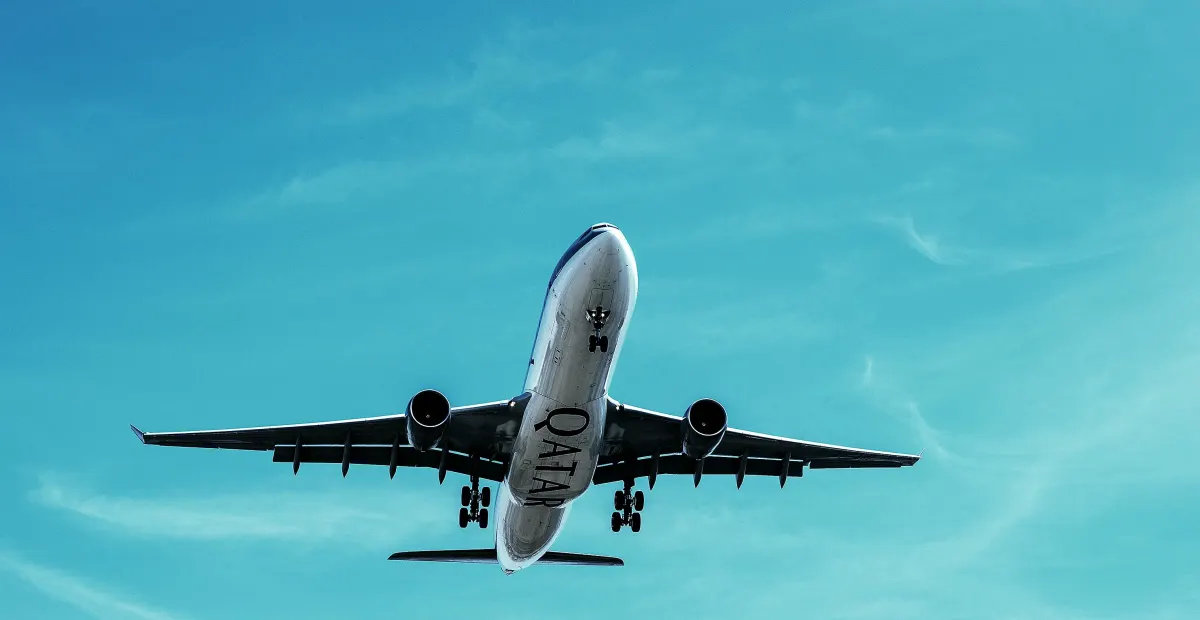
Lufthansa is preparing to ground up to 40 aircraft and cut capacity by 5% due to soaring jet fuel costs and shortages caused by the war in Iran.
Key Takeaways
- •Prepares to ground 20-40 older A340 and 747-400 aircraft, cutting capacity by up to 5%.
- •Faces €1.5 billion in additional fuel costs due to a 20% unhedged exposure to market volatility.
- •Redeploys capacity with 1,600 additional summer flights to India and European destinations.
- •Considers short-time work programs for staff as Strait of Hormuz closure disrupts fuel supply.
Lufthansa is preparing for significant capacity reductions and the potential grounding of up to 40 long-haul aircraft as it confronts a severe jet fuel supply crisis triggered by the war in Iran. In an internal webcast, Lufthansa Group CEO Carsten Spohr announced the contingency plans, which target older, less fuel-efficient aircraft and could reduce seating capacity by up to 5%. The measures are a direct response to surging fuel costs and logistical disruptions that have jeopardized the airline's planned expansion into Asia.
The operational adjustments stem from what Spohr described as consequences “greater than we expected.” The effective closure of the Strait of Hormuz has severely disrupted global energy logistics. According to Vortexa data, this has interrupted about half of the European Union and UK's jet fuel imports, threatening supply chains and causing sharp price increases. For Lufthansa, this translates into an estimated €1.5 billion in additional fuel costs, driven by the airline's 20% unhedged exposure to market volatility. While the carrier has hedged 80% of its fuel needs, the remaining exposure is significant enough to force drastic action.
Operational and Fleet Impact
The airline's contingency plans involve grounding between 20 and 40 aircraft, representing a 2.5% to 5% reduction in available seating capacity. The aircraft targeted for removal from service are older four-engine models, specifically the Airbus A340 and Boeing 747-400, which are less economical to operate in a high-fuel-cost environment. Spohr stated, “We want to be prepared early,” indicating a proactive approach to mitigate financial damage.
In addition to the groundings, the conflict has forced widespread rerouting for Europe-Asia flights, adding between two and five hours of flight time and further increasing fuel consumption. To counteract the reduced flying in the Middle East, Lufthansa plans to redeploy capacity. The airline will add 1,600 additional departures during the summer season to destinations in India, including Chennai and Bengaluru, as well as to European tourist locations.
Stakeholder and Regulatory Pressures
The crisis affects a wide range of stakeholders. Lufthansa Group shareholders have seen the stock price decline by over 16% year-to-date and now face the €1.5 billion cost increase. Passengers will likely face higher ticket prices, as Spohr warned that unavoidable price hikes will “affect demand; fewer people will travel.” For flight crews, the potential groundings raise the possibility of short-time work programs, known in Germany as Kurzarbeit, a measure the German Federal Employment Agency (BA) can authorize to prevent layoffs during economic shocks.
These internal pressures are compounded by external strategic goals. Lufthansa is concurrently pursuing the acquisition of Transportes Aéreos Portugueses (TAP), a deal currently under antitrust review by the European Commission. The airline must now navigate a complex regulatory approval process while managing a severe operational and financial crisis.
Historical Context and Technical Analysis
This situation is not without precedent. During the COVID-19 pandemic in March 2020, Lufthansa grounded 150 aircraft and slashed capacity by 50% in response to a collapse in demand. Similarly, the closure of Russian airspace in February 2022 forced costly rerouting of Asia-bound flights, echoing the current operational challenges. In both cases, the airline demonstrated its ability to make rapid, large-scale network adjustments to preserve cash.
This development indicates an acceleration of an existing industry trend: the phasing out of four-engine widebody aircraft. The high fuel costs associated with the Iran conflict have made the continued operation of the Airbus A340 and Boeing 747-400 untenable, forcing an earlier-than-planned retirement. This crisis, while financially damaging, will inadvertently modernize Lufthansa’s long-haul fleet and lower its overall carbon footprint. It underscores how geopolitical shocks can act as powerful catalysts for technological transition within the aviation industry, prioritizing fuel efficiency as a critical component of operational resilience.
What Comes Next
The Lufthansa Group Executive Board is expected to make a final decision on the grounding of up to 40 aircraft during the second quarter of 2026. Meanwhile, the airline's network planning department has confirmed that the implementation of the summer 2026 schedule, which includes the redeployment of aircraft to India and Europe, will proceed as planned.
Why This Matters
This event highlights the acute vulnerability of global airline networks to regional geopolitical conflicts and their impact on critical supply chains. For airlines, it demonstrates that fuel hedging strategies, while important, cannot fully insulate them from severe logistical disruptions. The crisis serves as a powerful reminder that operational resilience depends as much on supply chain security as it does on financial instruments, forcing an accelerated transition toward more fuel-efficient fleets.
omniflights.com provides comprehensive commercial aviation news covering airlines, aircraft, and airports. Discover how innovation is shaping aviation through aircraft systems, avionics, and digital tools at omniflights.com/technology.
Written by Hardik Vishwakarma
Co-Founder & Aviation News Editor leading initiatives that improve trust and visibility across the global aviation industry. Covers airlines, airports, safety, and emerging technology.
Visit ProfileYou Might Also Like
Discover more aviation news based on similar topics
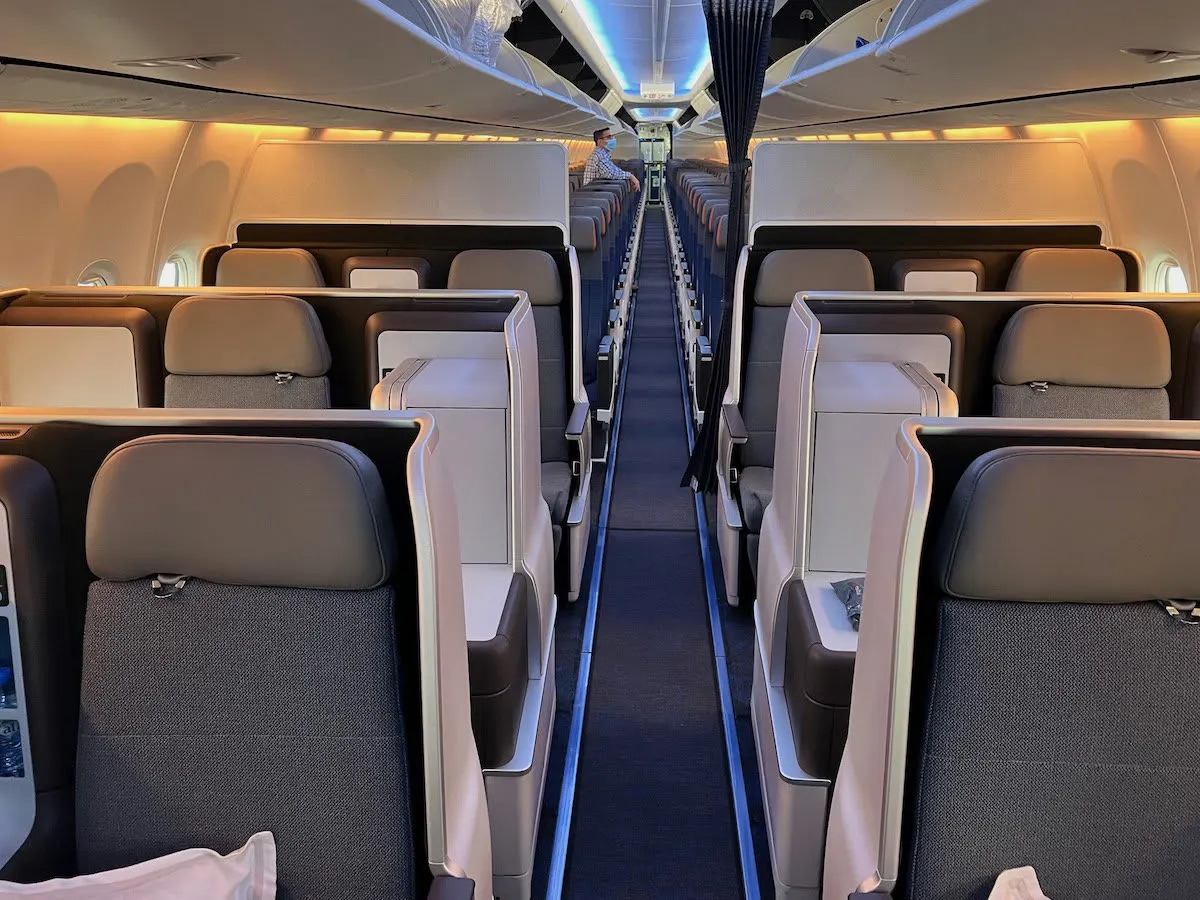
Flydubai Upgrading 21 Boeing 737 MAX 8s to Flat Bed Seats
Flydubai is retrofitting 21 Boeing 737 MAX 8 aircraft with lie-flat business class seats to standardize its premium product by late 2027.
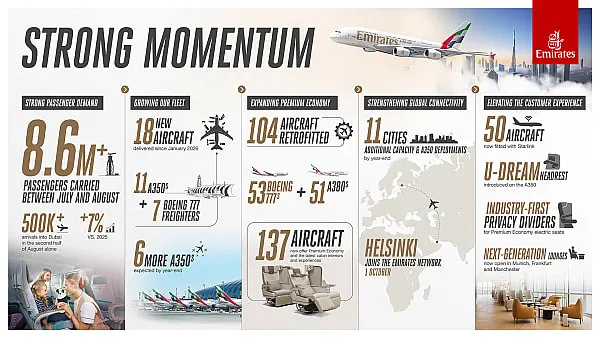
Emirates Winter Booking Momentum Grows Amid Fleet Expansion
Emirates carried 8.6 million passengers this summer and enters winter with strong demand as it accelerates fleet retrofits and network growth.
Air Arabia Consortium Gains AOC for New Dammam Budget Airline
A Saudi GACA-led consortium including Air Arabia has secured an AOC to launch a new budget airline based at Dammam's King Fahd International Airport.
Turkish Airlines Exits Luanda as Angola Hub Struggles
Turkish Airlines dropped its Luanda route as Angola's new airport struggles to attract traffic, handling only 756,028 passengers in 2025.
Red Sea Airlines Leases Two 737 MAX 8s for 2027 Expansion
Red Sea Airlines signed a lease for two Boeing 737 MAX 8 aircraft from SMBC Aviation Capital, arriving in 2027 to support its 14-aircraft fleet goal.
Avelo CEO Warns Airfares May Rise on Jet Fuel Price Spikes
Avelo Airlines CEO Andrew Levy warns that rising fuel costs may force fare increases as global jet fuel prices reach $171.01 per barrel.