Lomé Declaration 2026: Pushing for Cheaper African Air Travel

Co-Founder & CEOAviation News Editor delivering trusted coverage across the global aviation industry.
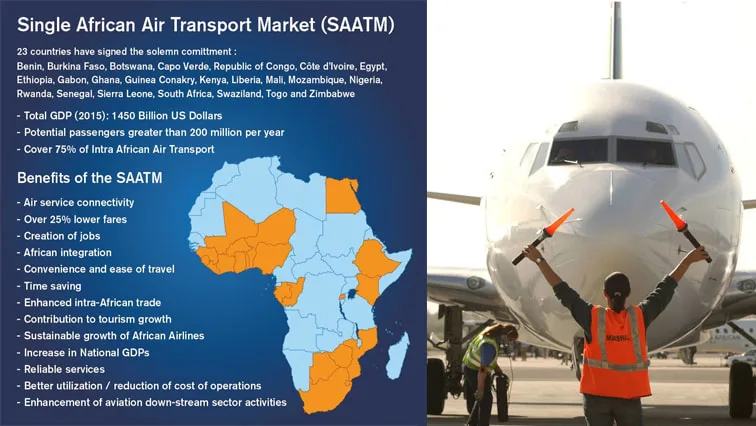
African ministers adopted the Lomé Declaration 2026 to reduce excessive air travel costs and accelerate the implementation of the SAATM mandate.
Key Takeaways
- •Lomé Declaration 2026 aims to lower African air travel costs.
- •Taxes comprise 64% to 70% of standard West African flight tickets.
- •ECOWAS mandate requires a 25% cut in passenger and security charges.
- •AFCAC will oversee the implementation roadmap through 2028.
A New Framework for African Aviation
On June 16, 2026, African ministers and transport leaders adopted the Lomé Declaration 2026 at the African Air Transport Convention and Expo. This continental commitment aims to dismantle the structural and regulatory barriers that have historically limited air connectivity across the continent. By prioritizing the Single African Air Transport Market (SAATM) and the foundational Yamoussoukro Decision, the declaration seeks to move beyond policy ambition toward measurable operational execution. The initiative is supported by the African Civil Aviation Commission (AFCAC), the African Union Commission, and the African Continental Free Trade Area (AfCFTA) Secretariat.
The Cost Crisis in African Aviation
High operational costs and excessive taxation remain the primary obstacles to regional air travel. According to the ECOWAS Commission and the African Airlines Association (AFRAA), taxes and regulatory charges currently account for 64% to 70% of a standard commercial flight ticket within the West African region. These costs suppress passenger demand and weaken airline route viability. The Lomé Declaration reinforces the ECOWAS aviation mandate that took effect on January 1, 2026, which requires member states to cut core passenger and security charges by exactly 25% and abolish non-aviation specific levies, such as tourism and solidarity taxes.
Despite the binding nature of these directives, localized implementation has been sluggish. Kamil Al-Awadhi, IATA's Regional Vice President for Africa and the Middle East, has publicly criticized the high cost environment, particularly in Nigeria. He noted that such excessive charges make the market difficult for operators and urged governments to enforce the mandate immediately to ensure the survival of local carriers.
Stakeholder Impact and Economic Integration
For West African passengers, the full implementation of these tax reforms could lead to a significant reduction in airfares. Airlines such as ASKY and Air Peace are expected to benefit from lower operational costs and improved route viability as protectionist barriers are removed. Conversely, some national governments remain hesitant, as they rely on these levies to fund local aviation infrastructure. The declaration attempts to address this by launching the AFCAC Solidarity Commitment 2026–2028, a mechanism designed to mobilize financial and technical support for capacity building.
Technical Analysis: Breaking the Protectionist Cycle
Historically, the 1999 Yamousssoukro Decision established the framework for liberalizing air services, yet the continent has struggled with fragmented bilateral agreements and monopoly ground-handling structures. The current shift follows a pattern similar to the 2012 Abuja Declaration on Aviation Safety, which successfully aligned member states on safety targets. The Lomé Declaration represents a more aggressive economic strategy, aiming to force alignment between national fiscal policies and regional trade goals. By linking aviation reform to the AfCFTA value chains, the declaration positions air transport as a strategic enabler for intra-African trade and industrial growth rather than merely a source of short-term tax revenue.
What Comes Next: Implementation and Accountability
Following the June 2026 adoption, the focus shifts to the development of a post-Lomé implementation roadmap. This document will define clear timelines and reporting structures to ensure accountability among member states. The AFCAC is expected to lead this process, with progress monitored by the African Union Commission. While full regional enforcement of the 25% charge reduction is expected throughout 2026, the success of the initiative will depend on the ability of regional bodies to overcome resistance from national finance ministries.
Why This Matters for Regional Trade
For the broader African economy, the Lomé Declaration is critical because it addresses the systemic link between transport costs and regional integration. By fostering a more competitive and transparent charging system, the declaration seeks to widen economic inclusion and support the movement of goods and people across borders. If successful, the move will transform African aviation from a high-cost, fragmented sector into a cohesive network capable of supporting the continent's long-term industrial and tourism ambitions.
Frequently Asked Questions
- What is the primary goal of the Lomé Declaration 2026?
- The Lomé Declaration 2026 aims to make air travel across Africa more affordable, connected, and sustainable by removing structural and regulatory barriers and enforcing the Single African Air Transport Market principles.
- How much do taxes and fees contribute to flight ticket prices in West Africa?
- According to studies from the ECOWAS Commission and the African Airlines Association, taxes and regulatory charges account for 64% to 70% of a standard flight ticket within the West African region.
Get breaking commercial aviation news and expert airline analysis at omniflights.com. Stay informed on aviation incidents, investigations, and best practices in the Safety category at omniflights.com/safety.
Written by Hardik Vishwakarma
Co-Founder & Aviation News Editor leading initiatives that improve trust and visibility across the global aviation industry. Covers airlines, airports, safety, and emerging technology.
Visit ProfileYou Might Also Like
Discover more aviation news based on similar topics

FAA Faces $3.5 Billion Shortfall in ATC Modernization
FAA Administrator Bryan Bedford reported a $3.5 billion shortfall for the Brand New Air Traffic Control System, totaling $16 billion for Phase One.

FAA Pauses Flights into LAX Due to Staffing Shortages
The FAA issued a temporary ground stop for flights bound for LAX on Monday morning due to staffing shortages at the Southern California TRACON.

FAA Proposes Ending Overland Supersonic Flight Ban
The FAA has proposed a new performance-based noise standard to replace the 1973 ban on overland supersonic flight, enabling future commercial travel.

DOT Rule Exempts Airlines From Cyberattack Delay Costs
Starting October 19, 2026, the DOT will allow airlines to withhold meal and hotel vouchers for delays caused by cyberattacks and nine other events.

Wizz Air, Ryanair Demand NATS Reform After ATC Failure
Wizz Air and Ryanair are calling for urgent NATS reform after a September 8 system failure caused over 1,000 flight cancellations across the UK.

US Treasury Iran Sanctions Target 27 Airlines, Mahan Air
The U.S. Treasury sanctioned 36 entities, including 27 Iranian airlines, to disrupt illicit procurement networks used by the Iranian government.