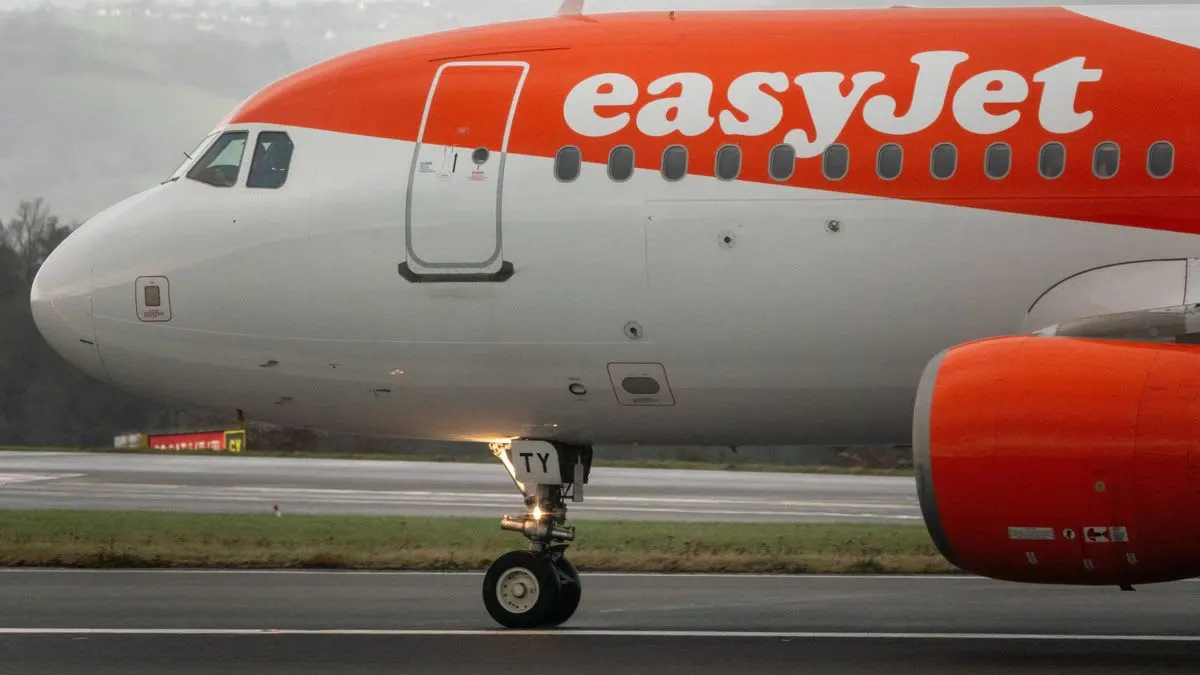
Kuwait Files Second ICAO Complaint Over Terminal 1 Attack

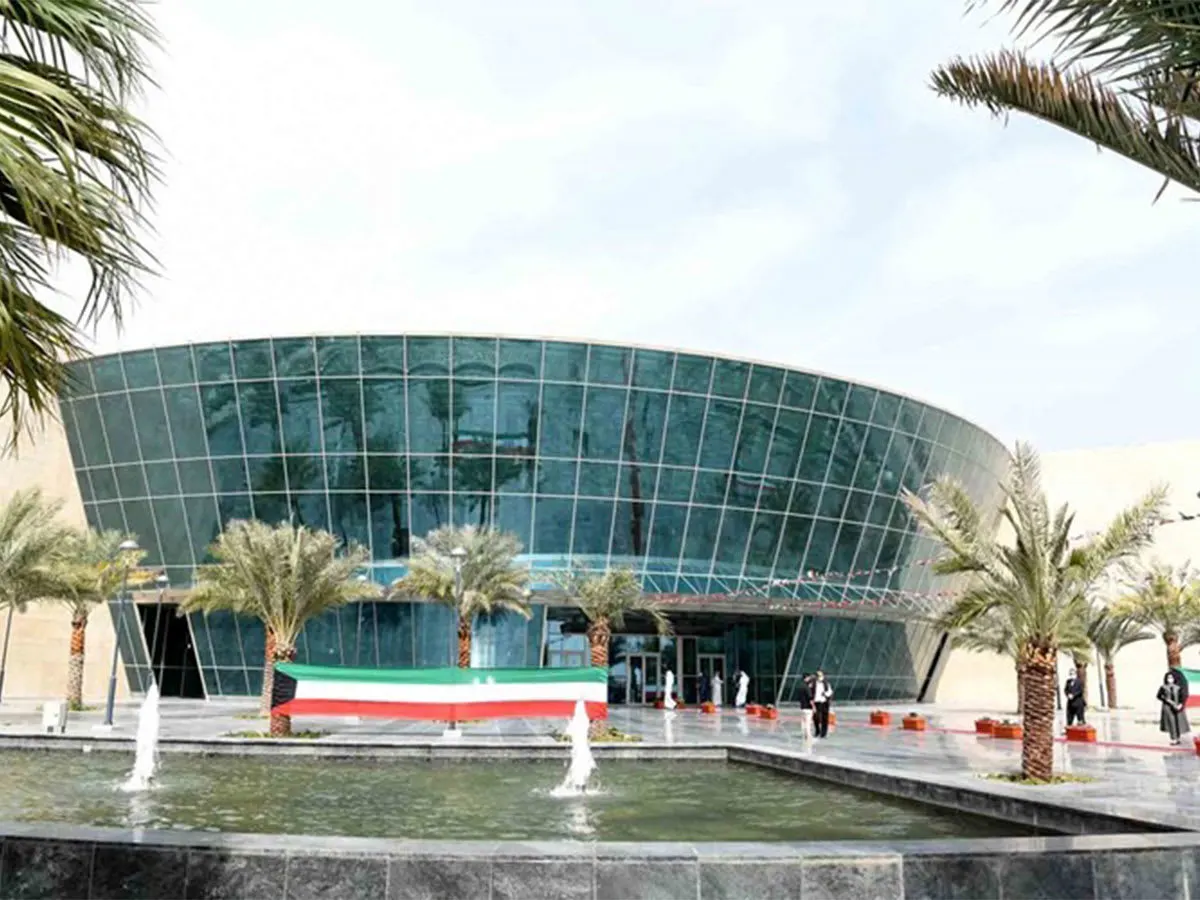
Kuwait submitted a formal complaint to the ICAO after an attack on Kuwait International Airport's Terminal 1 caused one fatality and 63 injuries.
Key Takeaways
- •Kuwait filed a second ICAO protest after a June 2026 attack on KWI.
- •The Terminal 1 strike resulted in 1 fatality and 63 injuries.
- •Terminal 1 had only been reopened for 48 hours before the strike.
- •ICAO emergency sessions are expected in June or July 2026.
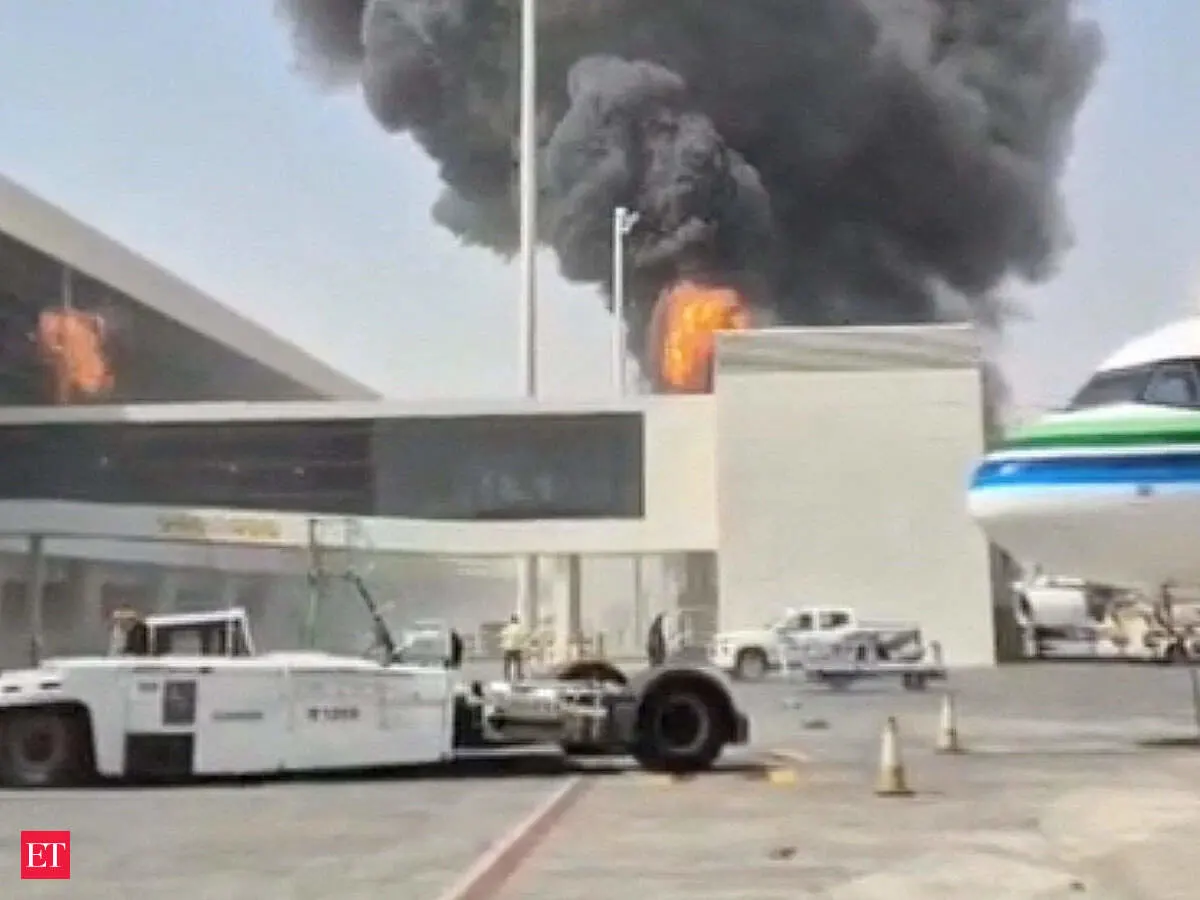
The Directorate General of Civil Aviation (DGCA) of Kuwait has submitted a second formal letter of protest to the International Civil Aviation Organization (ICAO) following a series of Iranian drone and missile strikes targeting Kuwait International Airport (KWI). The latest incident, which occurred in early June 2026, resulted in one fatality—an Indian national—and 63 injuries, marking a significant escalation in the targeting of civilian aviation infrastructure within the Gulf region. This diplomatic action comes as the DGCA works to secure its airspace and protect vital facilities from ongoing geopolitical aggression.
Impact on Operations and Infrastructure
The targeted Terminal 1 had been reopened for only 48 hours prior to the strike, following extensive repairs necessitated by an initial attack on February 28, 2026. According to the Kuwait Ministry of Health, the loss of life and dozens of injuries have prompted a severe reassessment of safety protocols for passengers and ground personnel. For carriers such as Kuwait Airways and Jazeera Airways, the strike has caused severe hub disruptions, forcing temporary flight suspensions and the emergency relocation of services to alternative terminals. The operational instability has also forced international airlines to reroute flights around the region, leading to increased fuel burn and schedule unreliability.
Regulatory Context and International Law
The DGCA asserts that these military strikes represent a flagrant violation of the Chicago Convention, the foundational treaty governing international air travel. Specifically, Kuwait cites Article 3bis of the Chicago Convention, which prohibits the use of weapons against civil aircraft and mandates the protection of civilian aviation lives and infrastructure. The ICAO official website serves as the primary forum for these complaints, where member states seek accountability for breaches of international civil aviation safety and security standards. While the Kuwait Directorate General of Civil Aviation (DGCA) official website continues to issue operational directives to maintain safety, the threat to civilian assets remains elevated.
Historical Parallels and Strategic Deterrence
The situation draws direct parallels to the 2019–2021 drone strikes on Abha International Airport in Saudi Arabia, where repeated attacks on civilian infrastructure led to enhanced missile defense deployments and international condemnation. Historically, the 2020 downing of Ukraine International Airlines Flight 752 serves as a grim precedent for the risks associated with military actions in airspace used by civil aviation. While the Islamic Revolutionary Guard Corps (IRGC) has denied intentional targeting, claiming the damage resulted from a malfunctioning interceptor missile, security analysts argue that civilian airports are being used as leverage for strategic deterrence in the ongoing regional conflict.
The Path to Operational Recovery
Looking forward, the ICAO Council is expected to convene an emergency session between June and July 2026 to review the formal protest and evaluate the systemic threats to regional aviation safety. Meanwhile, the DGCA is overseeing the structural restoration of Terminal 1, with full operational resumption currently targeted for Q3 2026. These efforts remain subject to ongoing security assessments and the potential for further airspace disruptions. The incident underscores a growing trend where civilian airports in the Gulf are increasingly caught in the crossfire of military exchanges, forcing a complex integration of civil aviation safety with regional defense strategies.
Why This Matters for Global Aviation
The targeting of Kuwait International Airport signals a dangerous shift in how civilian aviation infrastructure is perceived in geopolitical disputes. For the broader industry, the precedent of using airports as leverage threatens the stability of regional hubs and increases insurance premiums for all operators in the Middle East. If international regulatory bodies fail to establish effective protections, the resulting uncertainty could permanently alter flight corridors and increase the long-term cost of operations for carriers navigating the Gulf.
Frequently Asked Questions
- What is the status of Terminal 1 at Kuwait International Airport following the June 2026 attack?
- Terminal 1 sustained damage during the attack, which occurred just 48 hours after the terminal had reopened from previous repairs. Full operational resumption is currently expected by the third quarter of 2026.
- Why did Kuwait submit a formal protest to the ICAO?
- Kuwait submitted the protest to address flagrant violations of the Chicago Convention after military strikes targeted its civilian airport infrastructure. The state is seeking urgent measures to protect its airspace and hold those responsible for the threats to civil aviation safety accountable.
From airline operations to fleet updates, commercial aviation news lives at omniflights.com. Get the latest updates on major hubs, regional terminals, and airport operations via the Airports section at omniflights.com/airports.

Written by Hardik Vishwakarma
Co-Founder & Aviation News Editor leading initiatives that improve trust and visibility across the global aviation industry. Covers airlines, airports, safety, and emerging technology.
Visit ProfileYou Might Also Like
Israel Bans United Airlines Pilot Over Pro-Iran Posts

Attack on Saudi King Fahd International Airport
LATAM Airlines A320 Engine Fire During Takeoff in Peru
Riyadh Airport Limits Traffic Following Houthi Attacks

FAA Mandates Fuel Valve Inspections for A330 and A340