Korean Audit Links Jeju Air Crash Severity to Non-Compliant Runway Structure

Aviation News Editor & Industry AnalystAviation News Editor & Industry Analyst delivering clear coverage for a worldwide audience.
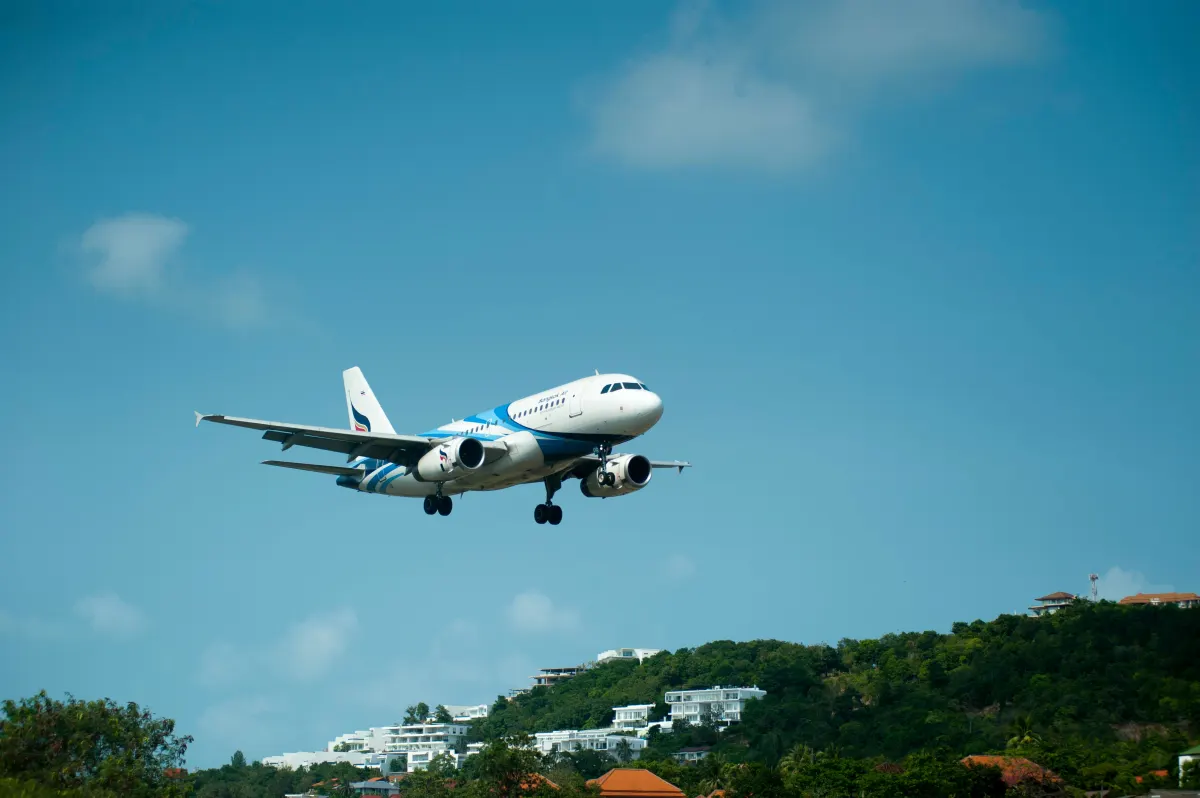
A South Korean audit finds the fatal 2024 Jeju Air crash was worsened by a non-compliant airport structure, revealing systemic safety violations nationwide.
Key Takeaways
- •Finds 179 fatalities resulted from impact with a non-compliant concrete airport structure.
- •Identifies 14 similar non-frangible installations at 8 other South Korean airports.
- •Violates International Civil Aviation Organization (ICAO) frangibility standards for runway safety.
- •Triggers a nationwide audit and costly replacement program for airport navigation aids.
A damning report from South Korea's Board of Audit and Inspection (BAI) has concluded that the catastrophic outcome of the December 2024 Jeju Air Flight 2216 crash was significantly worsened by a non-compliant concrete structure at Muan International Airport. The investigation into the accident, which resulted in 179 fatalities, found that the runway overrun was survivable until the aircraft struck the rigid embankment, which violated international safety standards.
The findings shift focus from the initial bird strike and belly landing to critical failures in airport infrastructure safety and regulatory oversight. According to the BAI report released in March 2026, the concrete mound supporting an Instrument Landing System (ILS) localizer antenna was not frangible, meaning it did not break apart on impact as required. This discovery has triggered a nationwide review, revealing that 14 similar non-compliant installations were approved at 8 different South Korean airports in a bid to save construction costs, exposing a systemic lapse in safety compliance.
Crash Investigation Details
The accident occurred on December 29, 2024, when a Jeju Air Boeing 737-800 with 181 people on board experienced a bird strike, leading to a belly landing and subsequent runway overrun at Muan. The investigation, conducted by the Aviation and Railway Accident Investigation Board (ARAIB), determined the aircraft was traveling at 232 km/h when it left the paved surface. The aircraft then collided with a 2.4-meter-high concrete embankment located 250 meters from the runway end. The impact with this rigid obstacle ruptured the aircraft's fuel tanks, leading to a catastrophic post-crash fire that was responsible for the vast majority of fatalities.
The BAI audit found that this structure directly violated International Civil Aviation Organization (ICAO) frangibility standards outlined in Doc 9157, Part 6. These global regulations require navigational aids and their supporting structures near runways to be designed to break away on impact to prevent exactly this type of catastrophic outcome. Furthermore, the structure's presence infringed upon ICAO guidelines for a Runway End Safety Area (RESA), which recommends a 240-meter zone clear of rigid obstacles.
Systemic Failures and Stakeholder Impact
The report has sent shockwaves through South Korea's aviation sector, placing intense scrutiny on both the airport operator and government regulators. The primary entity affected is the Korea Airports Corporation (KAC), which operates Muan and the other seven airports with non-compliant structures. The KAC now faces significant capital expenditure to redesign and replace the faulty installations under a compressed timeline.
The Ministry of Land, Infrastructure and Transport (MOLIT), the government body responsible for safety certification, is also under severe pressure. The BAI report revealed decades of faulty approvals driven by cost-saving measures. In response, a MOLIT official stated the ministry "humbly accepted" the findings and would implement "strict follow-up measures." A KAC spokesperson confirmed the operator is already working to incorporate the report's recommendations.
For Jeju Air, the findings may partially shift liability away from its flight crew. While initial analysis pointed to crew error following the bird strike, the BAI report firmly establishes the non-compliant infrastructure as the key factor that turned a survivable incident into a mass-casualty disaster.
Historical Precedents and Analysis
The Jeju Air tragedy underscores a critical lesson repeatedly demonstrated in past runway overrun accidents: the terrain and infrastructure beyond the runway are decisive factors in survivability. In August 2005, Air France Flight 358 overran the runway in Toronto and dropped into a ravine; remarkably, all 309 people on board survived, a positive outcome largely attributed to the absence of rigid obstacles. Conversely, the February 2020 crash of Pegasus Airlines Flight 2193 in Istanbul, which overran the runway and fell into a ditch, resulted in three fatalities after the aircraft broke apart.
This development in South Korea accelerates a global industry trend toward stricter enforcement of frangibility standards for navigational aids. The Muan disaster serves as a stark reminder that even with advanced aircraft, ground-based infrastructure remains a critical component of the safety ecosystem. The audit's revelation of systemic, cost-driven non-compliance suggests a deep-seated issue in the country's safety culture that regulators must now urgently address.
What Comes Next
Following the BAI's audit, several actions are now underway. The Korea Airports Corporation has confirmed it will remove and replace all 14 non-compliant localizer structures, with the project expected to be completed between 2026 and 2027. The final, comprehensive accident investigation report from the Aviation and Railway Accident Investigation Board (ARAIB) is expected to be released in late 2026. This report will likely provide further details on the flight crew's actions and the precise sequence of the impact.
Why This Matters
Beyond the immediate tragedy, the Jeju Air crash investigation exposes the potentially catastrophic consequences of prioritizing cost savings over established global safety standards. It serves as a critical case study for airport authorities worldwide on the importance of maintaining frangible structures and clear runway end safety areas. The incident has forced a painful but necessary re-evaluation of airport safety certification processes in South Korea, with implications for regulatory oversight across the entire industry.
Get breaking commercial aviation news and expert airline analysis at omniflights.com. Follow aviation sustainability efforts, emissions research, and green initiatives in the Environmental section at omniflights.com/environmental.
Written by Ujjwal Sukhwani
Aviation News Editor & Industry Analyst delivering clear coverage for a worldwide audience. Covers flight operations, safety regulations, and market trends with expert analysis.
Visit ProfileYou Might Also Like
Discover more aviation news based on similar topics
Ryanair Flight RK514 Diverts to Birmingham After Emergency
Ryanair flight RK514 diverted to Birmingham Airport on September 13, 2026, following a medical emergency involving a passenger.

Amazon Suspends 21 Air After Fatal Miami 767 Runway Overrun
Amazon has suspended operations with 21 Air following a fatal Boeing 767 runway overrun at Miami International Airport that resulted in five deaths.
FAA Proposes A220 Fuel Line Inspections for US Operators
The FAA issued a proposed directive requiring inspection of motive-flow fuel lines on 13 US-registered Airbus A220s to prevent potential leaks.
NATS Denies Military Jet Role in UK ATC Outage
The UK Ministry of Defence denied its aircraft caused a NATS outage that led to over 2,000 flight cancellations and calls for CEO resignation.

21 Air Miami Crash: NTSB Investigates 767 Runway Overrun
A fatal 21 Air Boeing 767 crash at Miami International Airport has triggered an NTSB investigation amid scrutiny of Amazon Air's contract oversight.

Amazon Cargo Plane Crash: 5 Remembered After MIA Excursion
Five cleaning crew members died after an Amazon-contracted Boeing 767 overran the runway at Miami International Airport at 158 knots.