Kenya Airways Reports $7M Loss After KAWU Strike Disruption

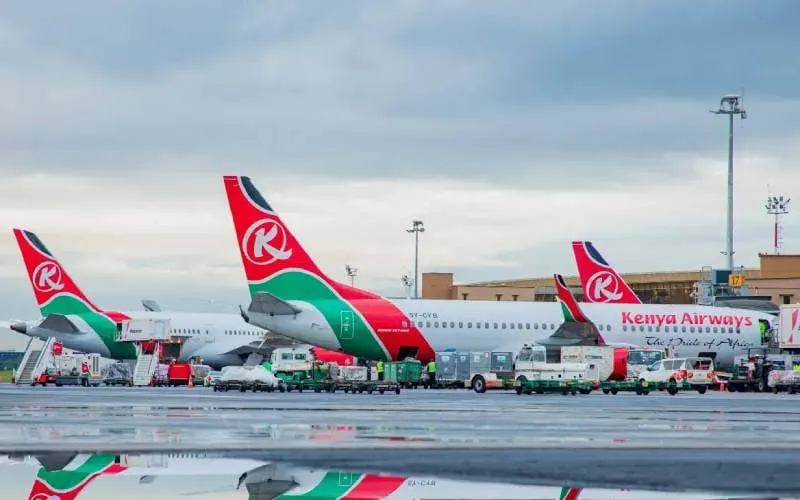
Kenya Airways incurred over $7 million in losses and cancelled 63 flights during a three-day industrial action by the Kenya Aviation Workers Union.
Key Takeaways
- •Kenya Airways lost over $7 million during the three-day KAWU strike.
- •Operations were impacted by 63 flight cancellations and 160 delays.
- •Over 370 tonnes of perishable cargo were stranded at JKIA.
- •A government-brokered RTWA ended the strike on September 1, 2026.
Financial Impact of the KAWU Industrial Action
Kenya Airways has reported more than Sh900 million (approximately USD 7 million) in lost revenue and additional operational costs following a three-day industrial action that paralyzed aviation operations across Kenya. The carrier, which serves as the largest operator at Jomo Kenyatta International Airport (JKIA), confirmed that the Kenya Airways strike necessitated extensive customer care measures, including accommodation, meals, and rebooking services, further inflating the total financial burden of the event.
According to Kiprono Kittony, Chairman of the Board at Kenya Airways, the airline was significantly impacted by the KAWU industrial action despite its own employees not participating in the labor dispute. The disruption, which occurred between August 30 and September 1, 2026, resulted in the cancellation of 63 flights and recorded more than 160 delays, with average delays exceeding six hours. The airline has since restored its full flight schedule and cleared passenger backlogs across its network.
Operational and Supply Chain Consequences
The consequences of the JKIA flight disruptions extended beyond passenger travel to Kenya’s critical air-cargo supply chain. During the three-day period, more than 370 tonnes of fresh produce and meat could not be uplifted, creating significant bottlenecks for exporters and farmers who rely on consistent air transport to reach regional and international markets. This highlights the high financial sensitivity of the aviation sector to brief operational groundings, where fixed costs continue to accrue even as revenue streams are severed.
While the industrial action was formally resolved on September 1, 2026, following the signing of a Return-to-Work Agreement (RTWA) involving the Central Organisation of Trade Unions (COTU), the Kenya Aviation Workers Union (KAWU), and the Kenya Civil Aviation Authority (KCAA), the incident underscores the vulnerability of the aviation ecosystem. The agreement mandates the release of union agency fees and sets a framework for immediate Collective Bargaining Agreement (CBA) negotiations, which are expected to commence in September 2026.
Technical and Industry Context
Historically, the aviation sector in Kenya has faced recurring labor-related volatility. In September 2024, massive flight cancellations occurred due to protests against the proposed leasing of JKIA. Furthermore, a November 2022 strike by the Kenya Airline Pilots Association (KALPA) cost the airline approximately Sh300 million daily. The February 2026 strike by KAWU served as a direct precursor to the September disruption, as both events stemmed from unresolved CBA and agency fee grievances. These precedents demonstrate a pattern of labor-induced supply chain bottlenecks that periodically threaten the stability of the national carrier.
What Comes Next for CBA Negotiations
The immediate focus for stakeholders is the commencement of formal CBA negotiations between KAWU and the KCAA. These talks will operate under the updated financial and regulatory guidelines provided by the Salaries and Remuneration Commission (SRC). The successful execution of these negotiations is critical to preventing further industrial unrest, as the current RTWA explicitly requires a return to the negotiating table to address the long-standing labor disputes that triggered the recent shutdowns.
Why Stakeholders Are Watching
For Kenya Airways and the broader aviation industry, this incident signals an urgent need for stronger inter-stakeholder coordination. The operations of airlines are deeply interconnected with airports, ground handlers, and regulators. As Kittony noted, effective collaboration is essential to delivering a seamless experience, especially as the airline continues to focus on strengthening its financial position. The resolution of these labor issues is not merely a corporate concern but a vital requirement for maintaining the reliability of Kenya’s regional trade and transport infrastructure.
Frequently Asked Questions
- What was the total financial impact of the September 2026 strike on Kenya Airways?
- Kenya Airways reported losses exceeding Sh900 million, equivalent to approximately USD 7 million, due to lost revenue and operational costs such as passenger rebooking and accommodation.
- How many flights were cancelled during the three-day Kenya Aviation Workers Union strike?
- The strike resulted in the cancellation of 63 flights and caused over 160 delays, with many flights experiencing delays exceeding six hours.
For in-depth airline coverage and commercial aviation news, omniflights.com delivers timely industry insights. For reporting on UAP sightings, investigations, and aviation-related encounters, see the UAPs section at omniflights.com/uaps.

Written by Hardik Vishwakarma
Co-Founder & Aviation News Editor leading initiatives that improve trust and visibility across the global aviation industry. Covers airlines, airports, safety, and emerging technology.
Visit ProfileYou Might Also Like

Dubai Aerospace Enterprise Completes United Airlines Lease

RTX Reports Record $340B Backlog and Strong Q3 2026 Growth
Boeing 737 MAX Litigation Nears Resolution in Chicago
Qatar Airways Enters Japanese JOLCO Financing Market
United Nigeria Airlines Plans N20bn Commercial Paper Debt