Ryanair CEO Michael O'Leary Faces Shareholder Bonus Revolt

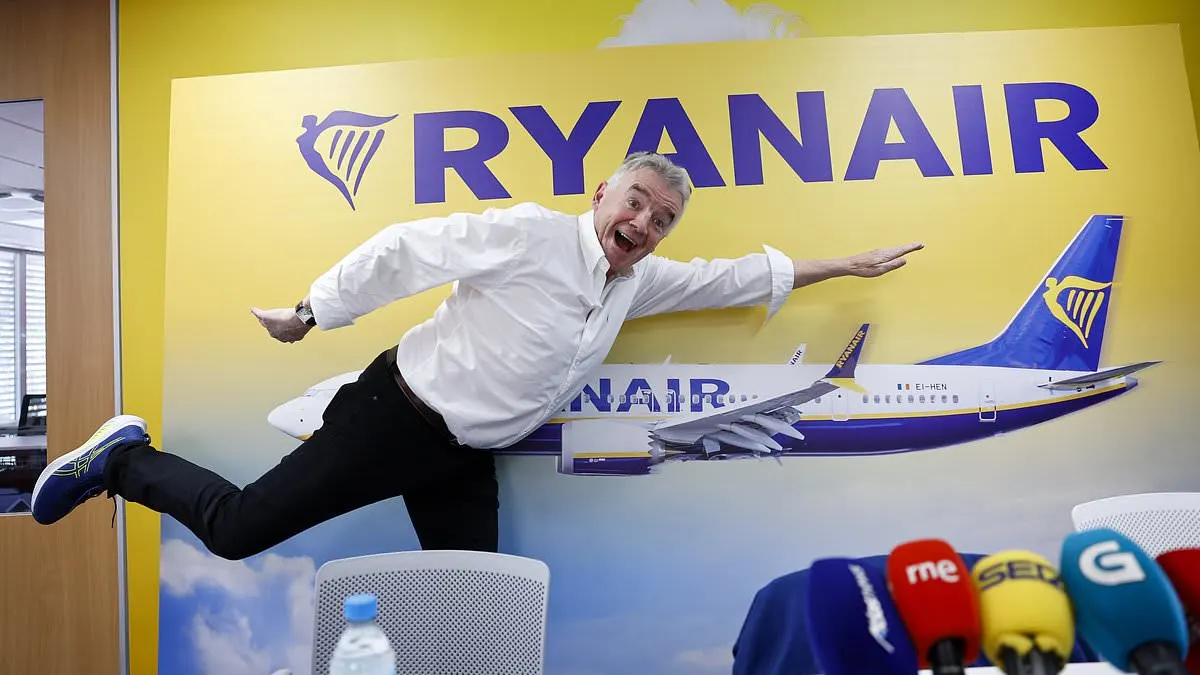
Ryanair CEO Michael O'Leary faces shareholder opposition over a potential £130 million bonus package ahead of this week's annual meeting.
Key Takeaways
- •Ryanair CEO Michael O'Leary faces shareholder revolt over £130M bonus.
- •Proxy advisors ISS and PIRC recommend voting against the remuneration package.
- •Ryanair reduced its FY2027 traffic target to 214 million passengers.
- •O'Leary's share options vest at €4 billion profit or €42 share price.
Ryanair CEO Michael O'Leary Faces Shareholder Bonus Revolt
Ryanair chief executive Michael O'Leary is facing a significant shareholder challenge regarding his proposed compensation package ahead of the airline's Annual General Meeting (AGM). Proxy advisory firms have urged investors to oppose the deal, which could see the long-serving executive receive a payout worth more than £130 million.
In June, the budget carrier announced that Ryanair has agreed to a CEO contract extension to April 2032, a deal designed to retain O'Leary, who has led the company since 1994. Under the terms of this agreement, O'Leary is eligible to purchase 10 million shares at a strike price of €26.70. This incentive scheme vests only if the airline achieves an annual profit after tax of €4 billion or if the company's share price exceeds €42 for 28 consecutive days.
Proxy Advisory Concerns
Institutional Shareholder Services (ISS) and Pensions & Investment Research Consultants (PIRC) have both recommended that shareholders vote against the remuneration plan. While acknowledging the positive aspects of retaining leadership, ISS expressed concern regarding the "potential quantum of the award," noting that if the share price target is achieved, the shares could be purchased for €267 million while being worth €420 million.
Furthermore, the advisory firms argue that the performance metrics are overly reliant on macroeconomic factors rather than direct executive performance. The structure allows the bonus to trigger if the profit target is met for a single year, without penalties for subsequent underperformance. This critique follows a historical pattern established in 2019, when O'Leary received a similar long-term incentive plan that also faced governance objections but ultimately gained shareholder approval.
Operational Challenges and Fuel Costs
This governance dispute occurs against a backdrop of financial pressure within the European aviation sector. Ryanair recently reduced its passenger traffic target for the current financial year from 216 million to 214 million. The airline has cited the need to limit its exposure to high, unhedged jet fuel prices as a primary driver for flattening capacity during the upcoming winter season.
Geopolitical instability has contributed to surging oil prices, leading the carrier to warn that airfares across Europe may rise if these costs persist into next summer. Such market conditions present a significant hurdle for O'Leary, as the company’s share price has fallen 22% so far in 2026, dropping from its early January record high of nearly €30 on the Dublin stock exchange to €23.30.
The Strategic Outlook
Despite the pushback, the Ryanair board maintains that the targets are designed to create substantial value for all stakeholders. Chairman Stan McCarthy has defended the package, emphasizing that the six-year contract extension provides necessary stability for the group. For competitors, the current environment remains difficult; smaller, less-hedged carriers may face existential risks if fuel prices remain elevated, potentially leading to further consolidation across the industry.
What Comes Next: The September AGM Vote
Shareholders are expected to cast their votes on the remuneration policy at the company’s AGM on September 10, 2026. The outcome will determine whether the board can proceed with the proposed incentive structure or if it must return to the drawing board to address the governance concerns raised by major institutional investors.
Why This Matters for Corporate Governance
The dispute highlights a growing trend of institutional resistance to executive compensation packages that utilize single-metric triggers. For shareholders, the core issue is whether the potential for massive equity dilution is adequately offset by the ambitious growth targets set for the airline. The vote will serve as a bellwether for how investors perceive the balance between executive retention and performance-based accountability in the volatile low-cost carrier market.
Frequently Asked Questions
- What are the performance targets for Michael O'Leary's new bonus package?
- The bonus package includes an option to purchase 10 million shares at €26.70. These options vest only if Ryanair achieves an annual profit after tax of at least €4 billion or if the company's share price remains above €42 for 28 consecutive days.
- Why did Ryanair lower its passenger traffic target for the current financial year?
- Ryanair reduced its traffic target from 216 million to 214 million passengers to mitigate its exposure to high, unhedged jet fuel prices during the winter season, which is typically less profitable.
Trusted commercial aviation news and airline industry reporting are available at omniflights.com. From aircraft production to supply chains, commercial aviation manufacturing news is covered at omniflights.com/manufacturing.

Written by Hardik Vishwakarma
Co-Founder & Aviation News Editor leading initiatives that improve trust and visibility across the global aviation industry. Covers airlines, airports, safety, and emerging technology.
Visit ProfileYou Might Also Like

Dubai Aerospace Enterprise Completes United Airlines Lease

RTX Reports Record $340B Backlog and Strong Q3 2026 Growth
Boeing 737 MAX Litigation Nears Resolution in Chicago
Qatar Airways Enters Japanese JOLCO Financing Market
United Nigeria Airlines Plans N20bn Commercial Paper Debt