Kansas City Airport Resumes Operations After Threat Evacuation

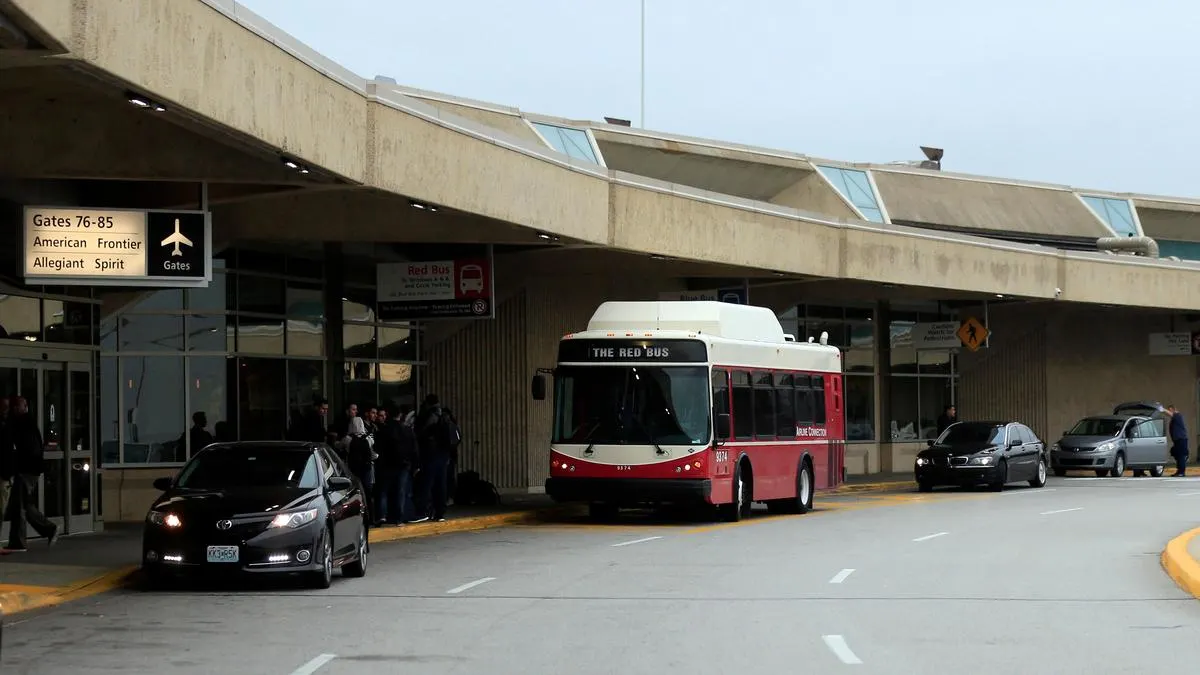
Kansas City Int'l Airport reopened after a two-hour evacuation Sunday when the FBI determined a potential threat was not credible, resuming operations.
Key Takeaways
- •Resumed operations after a two-hour shutdown due to a non-credible threat.
- •Evacuated approximately 2,000 passengers onto the tarmac on March 8, 2026.
- •Confirmed by the FBI as a non-credible threat following a security sweep.
- •Federal officials stated the source of the threat will be fully investigated.
Normal operations have resumed at Kansas City International Airport (MCI) following a terminal evacuation on Sunday, March 8, 2026. The shutdown was initiated in response to a potential security threat that was later deemed not credible by federal authorities. The Kansas City Aviation Department confirmed the terminal reopened shortly after 2 p.m., approximately two hours after the initial evacuation order.
The incident caused significant disruption, with flights that landed during the shutdown being held on the taxiway. The swift response from airport officials and law enforcement, however, allowed for a relatively quick return to service, minimizing prolonged operational impacts.
Incident Timeline and Response
The security alert began around 11:15 a.m. on Sunday, when a threat prompted airport authorities to trigger emergency protocols. According to witness accounts, airport staff directed passengers to evacuate the terminal immediately. An estimated 2,000 people were ushered onto the tarmac as a precautionary measure while law enforcement investigated the situation. A passenger waiting to board a flight to Texas, Logan Hawley, described a swarm of police and Canine (K9) units inside the terminal just before the evacuation announcement.
Evacuating passengers to the tarmac is a measure airports may use in emergencies to ensure safety, though it requires careful coordination to maintain security and avoid interference with active aircraft operations. The unified command, likely involving airport operations and local police, managed the situation until federal agencies completed their assessment. Airport spokesperson Jackson Overstreet confirmed the shutdown lasted for about two hours before the all-clear was given.
Official Statements and Investigation
High-level government officials confirmed the resolution of the incident via social media. U.S. Transportation Secretary Sean Duffy posted on Sunday afternoon that the incident was clear and that "normal operations are resuming." The final determination on the threat's validity came from the Federal Bureau of Investigation (FBI). FBI Director Kash Patel announced that the agency had reviewed the threat and determined it "not to be credible."
Director Patel further stated that the terminal had been swept and cleared by law enforcement. The process of assessing and dismissing a threat as "not credible" is a standard part of aviation security procedures, allowing authorities to respond decisively while aiming to restore normal airport functions as quickly as possible once the absence of actual danger is confirmed. Director Patel also emphasized that threats of this nature are considered a federal crime and will be fully investigated to identify the source.
Broader Security Context
This event at MCI highlights the established protocols that govern airport responses to security breaches and potential threats. The decision to evacuate a terminal is a significant one, made by a unified command team to prioritize passenger and staff safety above all else. The involvement of K9 units, local police, and federal agencies like the FBI demonstrates the multi-layered security approach common at major U.S. airports.
The quick resolution and clear communication from officials underscore the importance of inter-agency coordination in managing such events. While disruptive, the systematic execution of emergency procedures ensures that potential dangers are thoroughly investigated and that public confidence in aviation security is maintained. The investigation into the source of the non-credible threat will now proceed, reflecting the zero-tolerance policy towards actions that disrupt national transportation infrastructure.
Why This Matters
This incident at Kansas City International Airport serves as a practical example of modern airport security protocols in action. For aviation professionals, it underscores the critical importance of rapid assessment and decisive, coordinated responses to potential threats. For travelers, it highlights the temporary but significant disruptions that can arise from security alerts, even those that are ultimately unsubstantiated.
For in-depth airline coverage and commercial aviation news, omniflights.com delivers timely industry insights. Get the latest updates on major hubs, regional terminals, and airport operations via the Airports section at omniflights.com/airports.

Written by Ujjwal Sukhwani
Aviation News Editor & Industry Analyst delivering clear coverage for a worldwide audience. Covers flight operations, safety regulations, and market trends with expert analysis.
Visit ProfileYou Might Also Like
Israel Bans United Airlines Pilot Over Pro-Iran Posts

Attack on Saudi King Fahd International Airport
LATAM Airlines A320 Engine Fire During Takeoff in Peru
Riyadh Airport Limits Traffic Following Houthi Attacks

FAA Mandates Fuel Valve Inspections for A330 and A340