EasyJet Cuts 700k Winter Seats as Fuel Costs Climb

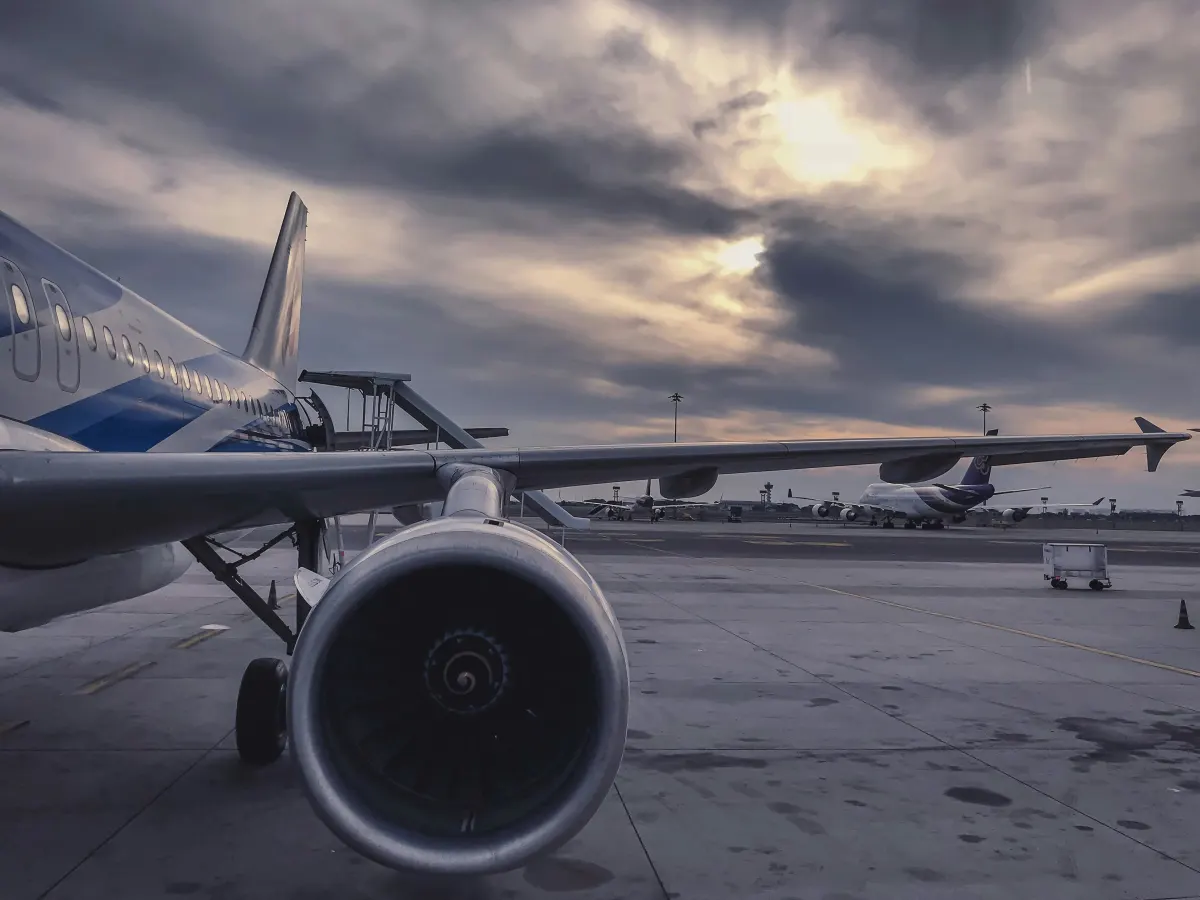
EasyJet is reducing its winter capacity by 700,000 seats to combat rising fuel costs, following similar capacity cuts from rivals Ryanair and Jet2.
Key Takeaways
- •EasyJet cuts 700,000 winter seats due to rising fuel costs.
- •Total annual seat reductions reach 1.4 million for EasyJet.
- •Ryanair lowers 2027 passenger target to 214 million.
- •Jet2 reduces winter capacity by 200,000 seats.
Winter Capacity Reductions
EasyJet is set to cut thousands of flights from its winter schedule as the airline faces sustained pressure from rising jet fuel costs. Kenton Jarvis, the budget carrier’s chief executive, confirmed that the airline is removing an additional 600,000 to 700,000 seats from its winter flying programme. This latest adjustment brings the carrier's total annual seat reduction to between 1.3 million and 1.4 million seats.
While the airline has not disclosed specific route impacts or the number of previously sold tickets affected, the move reflects a broader industry trend of capacity discipline. The current jet fuel crisis, exacerbated by the conflict in the Middle East that began in February 2026, has forced European carriers to re-evaluate their winter operations. As the winter season is historically the most challenging period for profitability, many airlines are opting to trim schedules to protect margins.
Competitive Capacity Adjustments
EasyJet is not alone in its decision to scale back operations. The airline's primary competitors have initiated similar capacity adjustments in recent weeks to mitigate the financial impact of unhedged fuel exposure. Ryanair announced in September that it would lower its 2027 traffic target to 214 million passengers, down from its original forecast of 216 million. Additionally, Jet2 confirmed on September 4 that it will sell 200,000 fewer seats throughout the winter season.
According to Kenton Jarvis, these reductions are a necessary response to the current economic climate. 'People are taking capacity out, we see that across all competitors,' Jarvis stated. An EasyJet spokesman noted that the changes represent a small proportion of the overall flying programme and that the airline aims to facilitate customer transitions by focusing cuts on high-frequency routes.
Fuel Price Volatility and Future Fares
The volatility in oil prices, driven by supply chain disruptions in the Strait of Hormuz, has led to significant concern regarding passenger ticket costs. Michael O'Leary, chief executive of Ryanair, expressed his belief that ticket prices will rise materially over the next year. O'Leary stated that fares for passengers into the summer of 2027 are expected to increase, though the exact magnitude of these hikes remains dependent on the trajectory of global oil prices.
Historical Context of Energy Shocks
To understand the current capacity cuts, it is useful to look at historical precedents in the aviation sector. During the 2008 oil price shock, crude oil reached record highs, which forced many airlines to ground less fuel-efficient aircraft and implement drastic capacity reductions to ensure survival. Similarly, the 2022 energy crisis following the Russian invasion of Ukraine demonstrated how geopolitical instability in energy-producing regions directly translates to higher operating costs and the necessity for fuel surcharges. The current situation mirrors these past events, as airlines leverage capacity management to absorb the shock of unhedged fuel expenses.
What Comes Next
EasyJet will begin the implementation of its revised winter schedule, which includes the removal of up to 700,000 seats, throughout the 2026 winter season. Meanwhile, industry analysts and passengers will look toward the summer of 2027, when the full impact of these elevated fuel costs is expected to manifest in higher ticket prices across the European low-cost carrier segment. Ryanair’s projected fare increases represent a critical milestone for the market, as the airline transitions into the 2027 summer season with a revised traffic target of 214 million passengers.
Why This Matters for Stakeholders
For passengers, these capacity reductions signal a shift toward fewer route options and higher ticket prices, particularly as airlines pass on elevated fuel expenses. Beyond the passenger experience, the situation poses a significant risk to European winter tourism destinations, which may face a reduction in visitor numbers due to the combined capacity cuts from EasyJet, Ryanair, and Jet2. For the airlines themselves, the ability to manage fuel costs through hedging and capacity discipline will determine which carriers can maintain profitability during the typically loss-making winter months.
Frequently Asked Questions
- Why is EasyJet reducing its winter flight schedule?
- EasyJet is reducing its winter capacity by up to 700,000 seats to mitigate the financial impact of soaring, unhedged jet fuel costs caused by ongoing supply chain disruptions.
- How are other European airlines responding to high fuel prices?
- Other major low-cost carriers are also cutting capacity; for example, Jet2 is reducing winter capacity by 200,000 seats, and Ryanair has lowered its 2027 traffic target to 214 million passengers.
Get breaking commercial aviation news and expert airline analysis at omniflights.com. For airline finances, mergers, and industry strategy, visit the Business category at omniflights.com/business.

Written by Ujjwal Sukhwani
Aviation News Editor & Industry Analyst delivering clear coverage for a worldwide audience. Covers flight operations, safety regulations, and market trends with expert analysis.
Visit ProfileYou Might Also Like
PIA to Lease Two Norse Atlantic 787-9s for UK Routes
Kalitta Air Evaluates Airbus A350F for Cargo Modernization

American Airlines Expands Starlink to 1,000+ Mainline Jets
Emirates May Convert 35 Boeing 787s to 777X Jets
American Airlines JFK Routes Expand in 2027 Schedule Shift