Ireland and Brazil Negotiate First Direct Air Services Agreement

Aviation News Editor & Industry AnalystAviation News Editor & Industry Analyst delivering clear coverage for a worldwide audience.
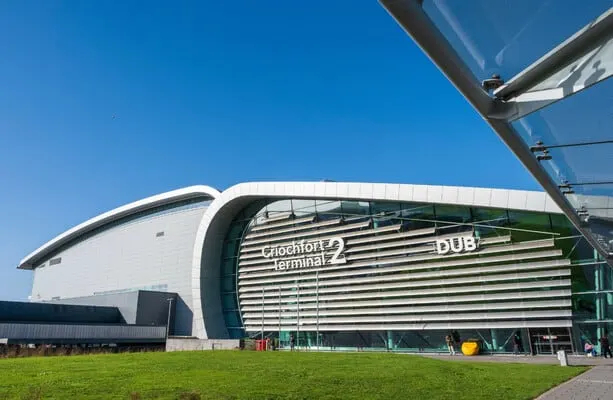
Ireland and Brazil have entered formal negotiations for an Air Services Agreement, a move that could establish the first-ever direct flights to South America.
Key Takeaways
- •Initiates formal negotiations for the first Ireland-Brazil Air Services Agreement.
- •Aims to establish the first-ever direct commercial flights to South America.
- •Targets growing trade, tourism, and diaspora travel between the two nations.
- •Opens potential new long-haul route opportunities for Irish and Brazilian carriers.
Ireland's Minister for Transport, Darragh O'Brien, has announced the initiation of formal negotiations with Brazil to establish the country's first bilateral Air Services Agreement (ASA). The successful conclusion of these talks would create the legal framework necessary for airlines to operate direct commercial flights between Ireland and the South American nation, marking a significant milestone in Ireland's international connectivity.
This development represents a major strategic step towards linking Ireland directly with Latin America for the first time. Currently, all air travel between the two regions requires at least one stop, typically at major European hubs such as Lisbon, Madrid, Amsterdam, or London. A direct route would substantially reduce travel times and complexity for both business and leisure passengers, potentially boosting tourism and trade. The move also aligns with Ireland's broader post-Brexit strategy to forge new direct links with global markets, reducing its reliance on UK transit hubs.
The Path to an Agreement
An Air Services Agreement is a formal treaty between two countries that governs the conduct of air travel. These agreements are foundational for international aviation, setting the rules for which airlines can fly, which routes they can operate, the number of flights permitted, and the airports they can serve. The negotiations will cover critical aspects such as traffic rights, capacity controls, safety standards, and security protocols.
While the announcement marks the official start of talks, the process can be lengthy. It involves detailed discussions between transport ministries and civil aviation authorities from both nations. Once a text is agreed upon, it must typically be ratified by the respective governments before it comes into force. No specific timeline for the conclusion of these negotiations has been publicly disclosed.
Market Potential and Industry Impact
The potential for a direct Ireland-Brazil route is supported by strong demographic and economic factors. Ireland is home to a large and growing Brazilian diaspora, which creates a consistent VFR (Visiting Friends and Relatives) travel market. For Irish tourists, Brazil offers a vast and diverse destination, while for Brazilians, Ireland is an increasingly popular choice for education, work, and tourism.
From an airline perspective, the route presents a compelling, albeit challenging, opportunity. Aer Lingus, Ireland's flag carrier, is a likely candidate to operate such a service. The airline's fleet of Airbus A330 aircraft is capable of operating non-stop flights from Dublin to major Brazilian cities like São Paulo or Rio de Janeiro. Furthermore, the airline's incoming fleet of Airbus A321XLR aircraft could potentially open up routes to cities in Brazil's northeast, such as Fortaleza or Recife, depending on final aircraft performance and route economics.
For a Brazilian carrier, LATAM Airlines would be the most probable operator, though the airline's current focus has been on strengthening its existing European network. Any new entrant would need to carefully assess demand, competition from one-stop itineraries, and the operational complexities of launching a new long-haul service.
What Comes Next
The immediate next steps involve formal negotiation sessions between Irish and Brazilian officials. These discussions will determine the scope and liberality of the final agreement. A key point of negotiation will be whether the agreement allows for a single designated carrier from each country or a more open-skies approach permitting multiple airlines to compete.
Once an agreement is signed and ratified, airlines can then apply to their respective national authorities for permission to operate the new routes. This process includes securing airport slots, setting up ground handling services, and launching sales and marketing campaigns. While the announcement is a positive first step, the launch of actual flights would likely be at least 18 to 24 months away, contingent on a successful negotiation and subsequent airline operational planning.
Why This Matters
Establishing a direct air link with Brazil would be a significant geopolitical and economic achievement for Ireland. It would unlock new opportunities for trade, investment, and tourism, directly connecting the Irish economy to the largest market in South America. For passengers, it promises more convenient travel options and reduced journey times. For the Irish aviation sector, it signals a strategic ambition to expand its global reach and cement Dublin's position as a transatlantic hub connecting the Americas and Europe.
Stay ahead of the airline industry with commercial aviation news from omniflights.com. Stay informed on aviation incidents, investigations, and best practices in the Safety category at omniflights.com/safety.
Written by Ujjwal Sukhwani
Aviation News Editor & Industry Analyst delivering clear coverage for a worldwide audience. Covers flight operations, safety regulations, and market trends with expert analysis.
Visit ProfileYou Might Also Like
Discover more aviation news based on similar topics
FAA Proposes Ending Overland Supersonic Flight Ban
The FAA has proposed a new performance-based noise standard to replace the 1973 ban on overland supersonic flight, enabling future commercial travel.

DOT Rule Exempts Airlines From Cyberattack Delay Costs
Starting October 19, 2026, the DOT will allow airlines to withhold meal and hotel vouchers for delays caused by cyberattacks and nine other events.

Wizz Air, Ryanair Demand NATS Reform After ATC Failure
Wizz Air and Ryanair are calling for urgent NATS reform after a September 8 system failure caused over 1,000 flight cancellations across the UK.

US Treasury Iran Sanctions Target 27 Airlines, Mahan Air
The U.S. Treasury sanctioned 36 entities, including 27 Iranian airlines, to disrupt illicit procurement networks used by the Iranian government.
FAA Awards $481M in Airport Infrastructure Grants
The FAA announced $481 million in infrastructure grants across 191 U.S. airports to improve runways, terminals, and overall capacity.
FAA Air Traffic Controllers Protest Pay and Staffing Cuts
The FAA is withholding a 2.8% pay raise for air traffic controllers, exacerbating morale and safety concerns amid a critical nationwide staffing shortage.