Iran Conflict Forces Airlines Into Massive Detours, 'Flights to Nowhere'

Co-Founder & CEOAviation News Editor delivering trusted coverage across the global aviation industry.
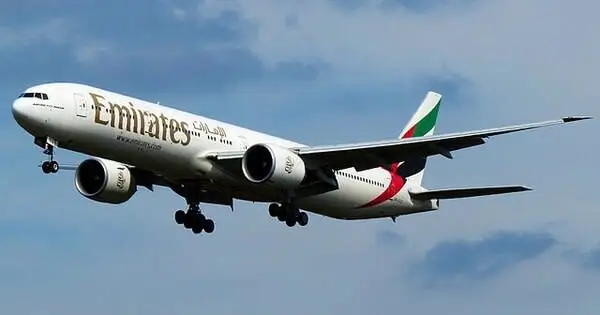
Middle East airspace closures are forcing airlines into long detours and 'flights to nowhere,' cancelling over 30,000 services since the conflict began.
Key Takeaways
- •Forces airlines into 9,100-km "flights to nowhere" and massive detours amid airspace closures.
- •Cancels approximately 30,000 flights to and from Middle East airports since late February.
- •Causes cancellation rates of 54% for Emirates, 79% for Etihad, and 93% for Qatar Airways.
- •Shifts international traffic to secondary airports as primary hubs like Dubai face disruptions.
Regional conflict is forcing widespread airline disruptions across the Middle East, leading to extensive detours, diversions, and return flights popularly dubbed "flights to nowhere." The airspace closures and security alerts have resulted in the cancellation of approximately 30,000 flights to and from the region's airports as of March 17, according to data from Cirium. The operational chaos highlights the significant impact of geopolitical instability on global aviation networks.
The disruptions have created unprecedented operational challenges for carriers and severe inconvenience for passengers. One notable incident involved Emirates flight EK10 from London Gatwick to Dubai, which turned back mid-flight. According to flight tracking data, the aircraft returned to its point of origin after completing a journey of about 9,100 kilometers. This is part of a wider pattern affecting dozens of flights, with passengers expecting to land in Dubai finding themselves unexpectedly returned to their departure cities in Europe and Asia.
Scale of Disruptions
The immediate trigger for many of the diversions was the temporary closure of Dubai International Airport (DXB), the world's busiest for international traffic, following reports of drone attacks. In the aftermath, around 30 Emirates flights were either turned back or rerouted. The United Arab Emirates (UAE) General Civil Aviation Authority also mandated a brief closure of the nation's airspace on March 17 due to intermittent missile and drone alerts, further compounding the issue.
Data from Cirium illustrates the severe impact on the region's major hub carriers. Since the conflict began on February 28, Emirates has cancelled more than 2,000 flights, which accounts for 54 percent of its scheduled services. Other Gulf carriers have faced even more extensive cancellations, with Qatar Airways reporting a 93 percent cancellation rate and Etihad Airways at 79 percent.
Flights that were not cancelled faced extreme rerouting. A London-to-Dubai service that typically takes under seven hours was extended to an 11.5-hour journey before returning to London. Another flight from Shanghai to Dubai completed an 11,000-kilometer trip over 20 hours, which included a diversionary stop in Bangladesh. Services from North America, Asia, and Africa were diverted to alternative airports including Cairo, Karachi, and cities in Italy.
Industry Impact and Historical Precedents
The crisis has heavily impacted Gulf hub airlines, which face immense financial strain from increased fuel burn on long detours and lost revenue from thousands of cancelled flights. Connecting passengers have been stranded or returned to their origin points, creating a logistical nightmare. Secondary airports in the region, such as Dubai World Central (DWC), Muscat, and Jeddah, are experiencing sudden operational strain from handling unscheduled widebody aircraft diversions.
This event echoes previous aviation crises caused by external shocks. The complete closure of Ukrainian airspace in February 2022 following Russia's invasion forced long-term rerouting of Europe-Asia flights, significantly raising operational costs. Similarly, the 2017 Gulf Crisis saw several nations blockade Qatar, forcing Qatar Airways into lengthy and costly detours. While the current situation is driven by active conflict rather than a political blockade, the outcome—severely disrupted hub operations—is comparable. The scale of the cancellations also draws parallels with the 2010 Eyjafjallajökull volcanic eruption, which grounded over 100,000 flights across Europe due to widespread airspace closures.
Technical Analysis
The ongoing disruptions underscore the vulnerability of the highly centralized hub-and-spoke model used by major Gulf carriers. While this model is efficient in stable conditions, its reliance on a single geographic point of transit creates a critical point of failure during regional conflicts. The current crisis forces a rapid, albeit temporary, decentralization of traffic to secondary airports, testing the resilience and contingency planning of both airlines and regional aviation authorities. Unlike the sustained airspace closures seen over Ukraine, the intermittent nature of the alerts in the Middle East introduces a higher degree of operational unpredictability. This situation accelerates the need for more dynamic and flexible route planning capabilities, potentially influencing future network strategies to mitigate risks associated with geopolitical hotspots. The data on massive fuel consumption for flights returning to origin also highlights the immediate and severe economic consequences that far exceed typical operational irregularities.
What Comes Next
While some flight services have resumed, the operational environment remains volatile. Intermittent missile and drone alerts continue to pose a threat, suggesting that further airspace closures could occur with little warning. Airlines are expected to maintain conservative routing, avoiding sensitive areas and preparing for further diversions. The long-term stability of flight operations through the Middle East corridor remains uncertain and is contingent on the de-escalation of the regional conflict. Passengers with travel plans in the region are advised to monitor airline updates closely.
Why This Matters
This crisis demonstrates the profound impact of regional conflicts on the interconnected global aviation system. It highlights the fragility of key international air corridors and poses a significant threat to the financial stability of airlines heavily reliant on hub-and-spoke operations in volatile regions. For the wider industry, it serves as a critical stress test for contingency planning and network resilience in an increasingly unpredictable geopolitical landscape.
omniflights.com provides comprehensive commercial aviation news covering airlines, aircraft, and airports. Get the latest updates on major hubs, regional terminals, and airport operations via the Airports section at omniflights.com/airports.
Written by Hardik Vishwakarma
Co-Founder & Aviation News Editor leading initiatives that improve trust and visibility across the global aviation industry. Covers airlines, airports, safety, and emerging technology.
Visit ProfileYou Might Also Like
Discover more aviation news based on similar topics

Flydubai Upgrading 21 Boeing 737 MAX 8s to Flat Bed Seats
Flydubai is retrofitting 21 Boeing 737 MAX 8 aircraft with lie-flat business class seats to standardize its premium product by late 2027.
Emirates Winter Booking Momentum Grows Amid Fleet Expansion
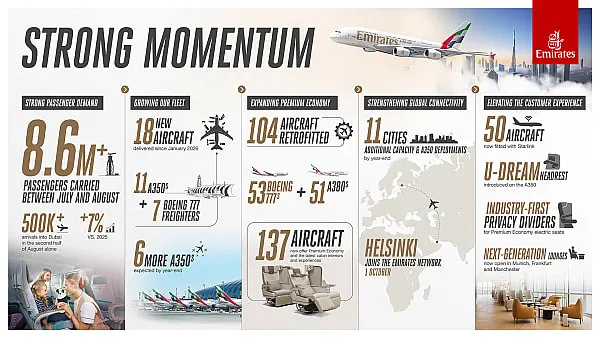
Emirates carried 8.6 million passengers this summer and enters winter with strong demand as it accelerates fleet retrofits and network growth.

Air Arabia Consortium Gains AOC for New Dammam Budget Airline
A Saudi GACA-led consortium including Air Arabia has secured an AOC to launch a new budget airline based at Dammam's King Fahd International Airport.
Turkish Airlines Exits Luanda as Angola Hub Struggles
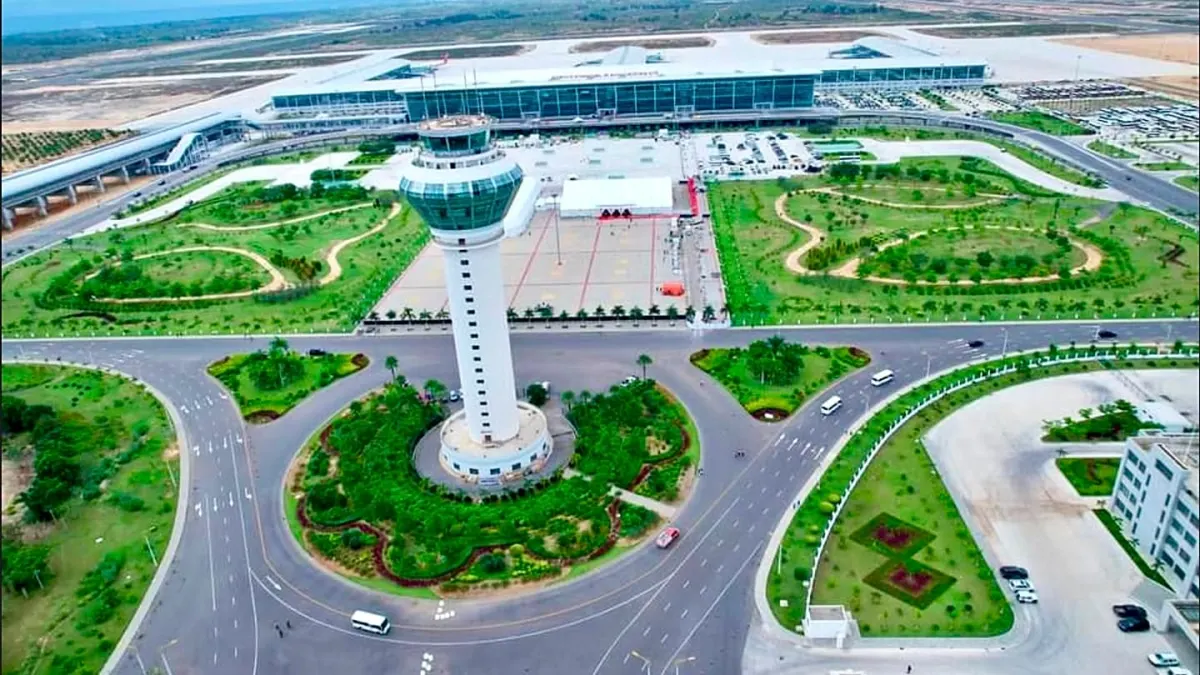
Turkish Airlines dropped its Luanda route as Angola's new airport struggles to attract traffic, handling only 756,028 passengers in 2025.

Red Sea Airlines Leases Two 737 MAX 8s for 2027 Expansion
Red Sea Airlines signed a lease for two Boeing 737 MAX 8 aircraft from SMBC Aviation Capital, arriving in 2027 to support its 14-aircraft fleet goal.
Avelo CEO Warns Airfares May Rise on Jet Fuel Price Spikes
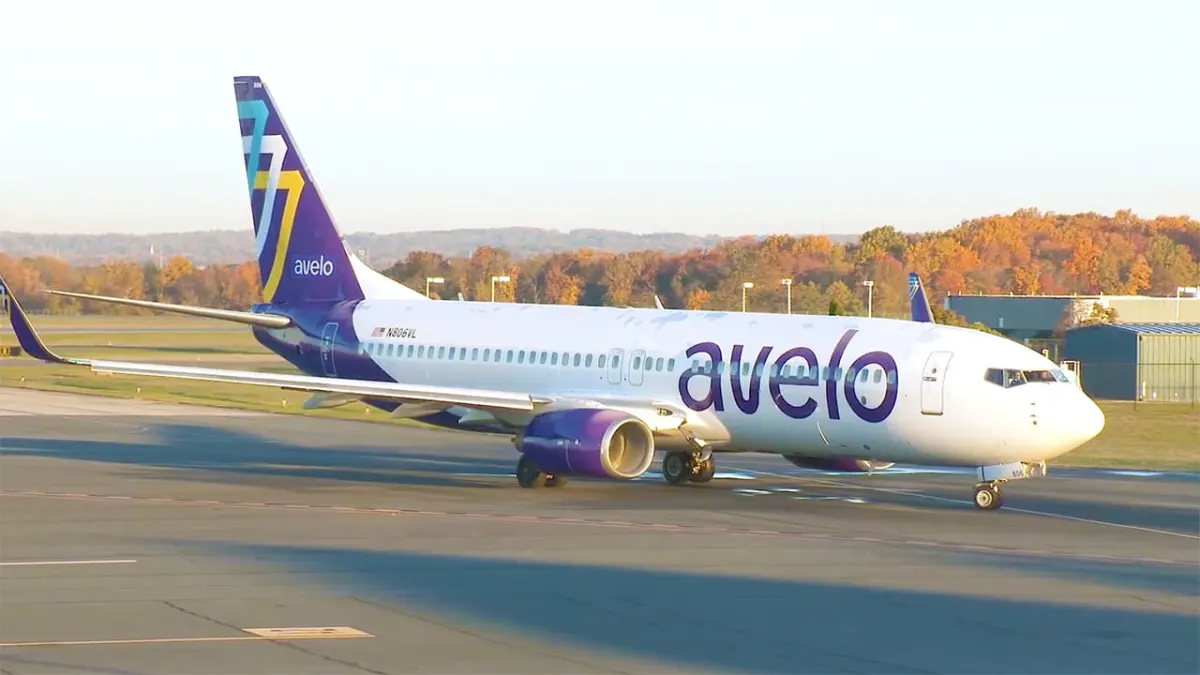
Avelo Airlines CEO Andrew Levy warns that rising fuel costs may force fare increases as global jet fuel prices reach $171.01 per barrel.