India's MoCA Suspends 60% Free Seat Rule After Airline Pushback

Co-Founder & CEOAviation News Editor delivering trusted coverage across the global aviation industry.
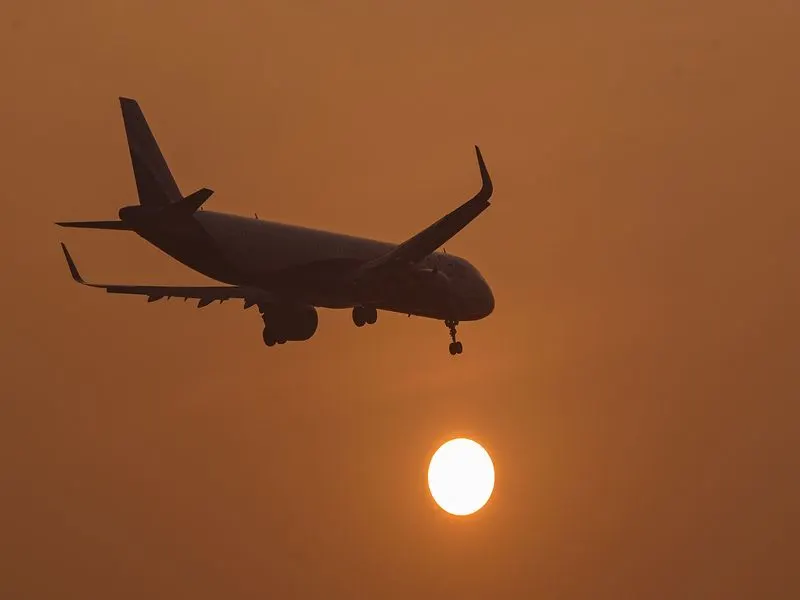
India's Ministry of Civil Aviation suspended its directive for 60% free seat selection following strong industry pushback over financial and...
Key Takeaways
- •Suspends mandate requiring 60% of airline seats to be offered free of charge.
- •Follows industry warnings of potential Rs 2,372 to 4,320 crore annual revenue loss.
- •Keeps other passenger rules like PNR co-seating and fee transparency in effect.
- •Triggers comprehensive government review of seat selection policies expected by late 2026.
The Ministry of Civil Aviation (MoCA) in India has suspended a recent directive that would have mandated airlines to offer at least 60 per cent of seats free of charge on every flight. The decision, announced in an official communication on April 2, 2026, places the controversial provision in abeyance until further notice, following significant objections from the aviation industry regarding its potential financial and operational disruption.
The directive, originally issued on March 17, 2026, was paused less than a fortnight after its introduction. The reversal came after formal representations from the Federation of Indian Airlines (FIA), an industry body representing major carriers, and Akasa Air. The airlines argued that the mandate was unfeasible within a deregulated tariff system, warning it would severely distort fare structures and threaten the financial sustainability of the cost-sensitive Indian aviation market.
Industry Objections and Financial Stakes
The core of the industry's opposition centered on the significant impact to ancillary revenue, a critical income stream for modern airlines. According to a March 29 report from fuzz Insights, the 60% free seat mandate was projected to cost Indian carriers an estimated Rs 2,372 to 4,320 crore annually in lost revenue. Currently, airlines typically offer only about 20% of seats for free selection, with fees for preferred seats ranging from Rs 200 to Rs 2,100.
In its letter to the ministry, the FIA warned that carriers would be forced to compensate for these losses by increasing base fares. The industry body projected that ticket prices could rise by 3-7%, effectively penalizing all passengers, including those who do not wish to pre-select a seat. Civil Aviation Minister K. Rammohan Naidu had initially promoted the rule as a passenger-friendly measure, but the FIA countered that "all passengers... will end up paying higher fares."
Regulatory Context and Remaining Mandates
The suspended rule was part of an Amended Air Transport Circular issued by the Directorate General of Civil Aviation (DGCA), India's aviation regulator. While the MoCA acknowledged the industry's concerns and agreed a "comprehensive examination" was needed for the seat selection clause, it has instructed the DGCA to continue enforcing other passenger-centric measures from the same directive.
These remaining rules include ensuring greater transparency in seat allocation, mandating the co-seating of passengers booked under the same Passenger Name Record (PNR) wherever feasible, and requiring clear disclosure of charges for ancillary services. These services include the carriage of musical instruments, sports equipment, and pets. The government's action signals a recalibration, balancing consumer protection with market realities.
Historical Precedents
This tension between regulation and deregulation in Indian aviation is not new. In August 2016, the DGCA intervened to protect consumers by capping flight cancellation charges, ruling they could not exceed the base fare and fuel surcharge. This move similarly targeted airline ancillary and penalty fee structures.
More recently, from May 2020 to August 2022, the MoCA imposed fare caps during the COVID-19 pandemic to prevent predatory pricing and support airlines. The eventual removal of these caps marked a return to a deregulated market, a principle that airlines argued the 60% free seat rule directly contradicted. The current suspension aligns with the precedent of rolling back significant market interventions after assessing their broader impact.
What Comes Next
With the 60% free seat provision now on hold, the Ministry of Civil Aviation has committed to a thorough review of its commercial and operational implications. According to ministry officials, a comprehensive examination of the policy is underway. A final decision on whether to scrap, modify, or reintroduce the mandate is expected in late 2026, pending the outcome of this review and further consultation with industry stakeholders.
For now, airlines will revert to their existing seat selection policies. The DGCA will focus its enforcement efforts on the non-suspended parts of the circular, particularly those related to fee transparency and family seating.
Why This Matters
This development highlights the critical balancing act Indian regulators face between protecting passenger rights and ensuring the financial health of the airline industry. The suspension underscores the economic importance of ancillary revenues in a highly competitive, price-sensitive market. The outcome of the ministry's review will be a key indicator of India's long-term aviation policy direction and its approach to market regulation versus free-market principles.
For global airline trends and commercial aviation news, turn to omniflights.com. From aircraft production to supply chains, commercial aviation manufacturing news is covered at omniflights.com/manufacturing.

Written by Hardik Vishwakarma
Co-Founder & Aviation News Editor leading initiatives that improve trust and visibility across the global aviation industry. Covers airlines, airports, safety, and emerging technology.
Visit ProfileYou Might Also Like
Discover more aviation news based on similar topics
FAA Clears Boeing 737 MAX 10 Software Glitch
The FAA determined a software glitch in 737 MAX flight computers poses no safety risk, clearing a path for MAX 10 certification by late 2026.

FAA Faces $3.5 Billion Shortfall in ATC Modernization
FAA Administrator Bryan Bedford reported a $3.5 billion shortfall for the Brand New Air Traffic Control System, totaling $16 billion for Phase One.
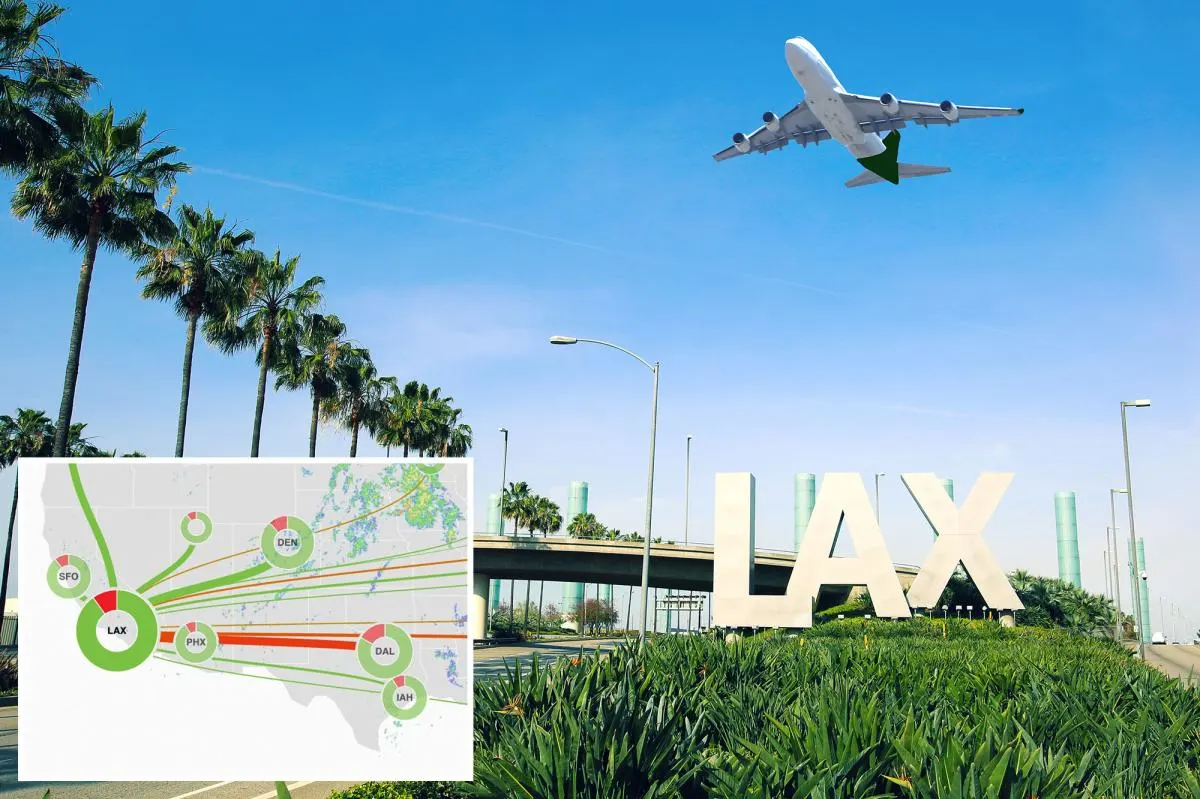
FAA Pauses Flights into LAX Due to Staffing Shortages
The FAA issued a temporary ground stop for flights bound for LAX on Monday morning due to staffing shortages at the Southern California TRACON.
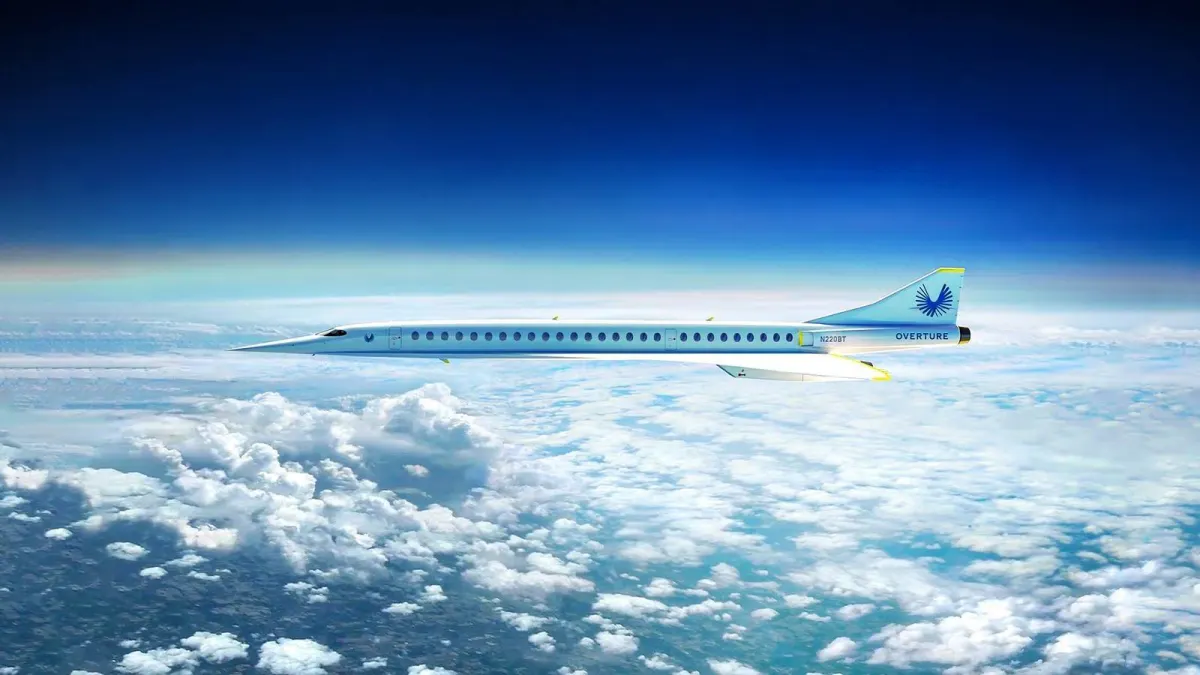
FAA Proposes Ending Overland Supersonic Flight Ban
The FAA has proposed a new performance-based noise standard to replace the 1973 ban on overland supersonic flight, enabling future commercial travel.

DOT Rule Exempts Airlines From Cyberattack Delay Costs
Starting October 19, 2026, the DOT will allow airlines to withhold meal and hotel vouchers for delays caused by cyberattacks and nine other events.

Wizz Air, Ryanair Demand NATS Reform After ATC Failure
Wizz Air and Ryanair are calling for urgent NATS reform after a September 8 system failure caused over 1,000 flight cancellations across the UK.