Indian Airlines Seek DGCA Rule Relief Amid West Asia Crisis

Aviation News Editor & Industry AnalystAviation News Editor & Industry Analyst delivering clear coverage for a worldwide audience.
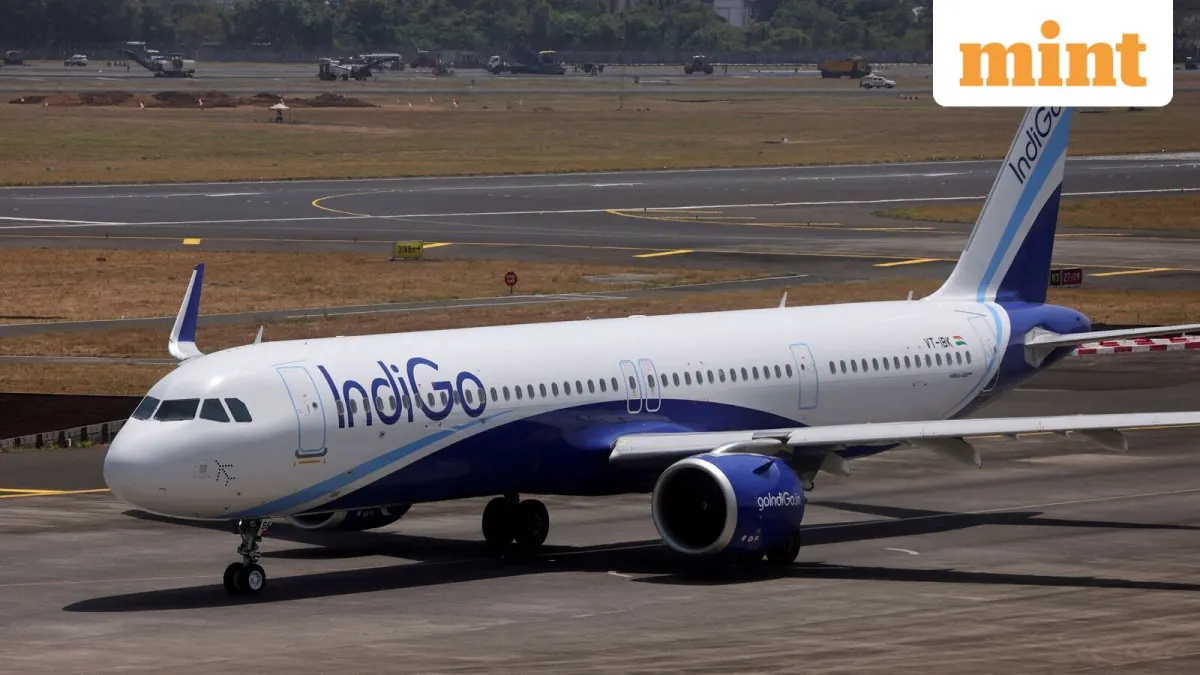
Indian airlines seek DGCA pilot duty rule relief as longer routes from West Asia airspace closures push flights beyond mandated two-pilot time limits.
Key Takeaways
- •Seek DGCA relief from 10-hour, two-pilot flight time limit due to rerouting.
- •Face extended flight durations, such as Delhi-London increasing to nearly 11 hours.
- •Request extension of the maximum Flight Duty Period from 13 to 14.75 hours.
- •Balance significant operational costs against pilot fatigue and safety concerns.
Major Indian carriers, including Air India and IndiGo, have formally requested exemptions from pilot fatigue regulations due to extended flight times on key westbound routes. The requests to India's Directorate General of Civil Aviation (DGCA) come as airspace closures over Pakistan and escalating tensions in West Asia force airlines to adopt significantly longer flight paths, pushing many services beyond the 10-hour flight time limit permitted for a standard two-pilot crew.
The operational strain highlights a growing conflict between rigid safety mandates and the commercial realities faced by airlines navigating geopolitical instability. Without regulatory relief, carriers face the costly decision of adding a third pilot to crews or canceling flights, impacting both financial performance and passenger schedules. This situation forces the DGCA into a difficult position, balancing its primary mandate of ensuring aviation safety against the need to maintain the operational viability of the nation's airlines.
Regulatory Pressure and Airline Requests
The core of the issue lies within India's Flight Duty Time Limitation (FDTL) rules, which are designed to mitigate crew fatigue. According to DGCA Civil Aviation Requirements, the maximum flight time for a crew of two pilots is 10 hours. Following the airspace closures, flights that previously took 8.5 to 9 hours, such as Air India's Delhi to London service, now require between 10 hours 45 minutes and 11 hours 5 minutes to complete, according to Flightradar24 route data.
In response, Air India has submitted a specific request to the DGCA for an exemption. The airline is seeking to extend the maximum flight time for two-pilot operations by 1 hour and 3 minutes. Additionally, it has asked to extend the maximum Flight Duty Period (FDP)—the total time a crew member is on duty—from the standard 13 hours to 14 hours and 45 minutes. Granting this exemption would allow the airline to continue operating these extended routes with two pilots, avoiding the significant cost and logistical complexity of rostering a third, augmented crew member.
The Operational and Financial Impact
The need for these longer routes is not a new challenge, but its intensity has increased. The initial Pakistan airspace ban, implemented in April 2025, has already placed a severe financial burden on Indian carriers. The rerouting of flights to Europe and North America costs Air India an estimated $600 million annually in additional fuel and operational expenses. The subsequent crisis in West Asia has compounded this problem, closing off more efficient southerly routes and leaving airlines with few viable alternatives.
This 'double whammy' of simultaneous airspace closures severely impacts operational efficiency. Beyond fuel, longer flight times disrupt crew scheduling, aircraft utilization, and on-time performance. The situation is further complicated by a broader pilot shortage in the Indian aviation sector, which has been exacerbated by recently implemented, stricter FDTL rest rules that limit night landings and increase mandatory weekly rest periods.
Stakeholder Concerns: Safety vs. Viability
The airlines' request for FDTL exemptions has drawn sharp criticism from pilot unions. The Airlines Pilots' Association of India (APAI) argues that relaxing these rules poses a severe safety risk. Experts and pilot representatives contend that removing the third pilot on extended flights pushes crews toward dangerous levels of fatigue, particularly during the critical approach and landing phases of flight. For pilots, the potential for extended duty without relief raises significant concerns about well-being and flight safety.
For passengers, the impact is multifaceted. They are already experiencing longer travel times. If exemptions are not granted, they could face flight cancellations or increased ticket prices as airlines pass on the cost of adding crew members. The regulator, the DGCA, is tasked with mediating these competing interests, upholding safety standards codified in its Civil Aviation Requirements while preventing major operational disruptions that could harm the industry.
Historical Precedents
This is not the first time the DGCA has faced pressure to relax FDTL rules. In December 2025, a crisis unfolded when IndiGo experienced massive flight cancellations after new, stricter FDTL night-operations provisions were introduced. In that instance, the DGCA granted IndiGo a temporary exemption until February 2026 to alleviate the severe operational fallout. This event established a precedent of the regulator providing temporary relief to a major airline facing significant disruptions, a pattern that may inform its current decision-making process.
What Comes Next
The industry is now awaiting the regulator's response. A formal decision from the DGCA on Air India's FDTL exemption request is expected in the second quarter of 2026. The outcome will set a crucial precedent for how Indian aviation manages the operational fallout from long-term geopolitical instability.
Why This Matters
This development is more than an operational challenge for a few airlines; it is a critical test of India's aviation regulatory framework. The DGCA's decision will signal how it balances internationally recognized pilot fatigue standards against the commercial pressures on its national carriers. For the broader aviation industry, it underscores the growing impact of regional conflicts on global air travel, forcing airlines and regulators to adapt to a new normal of unpredictable and extended flight operations.
From airline operations to fleet updates, commercial aviation news lives at omniflights.com. From aircraft production to supply chains, commercial aviation manufacturing news is covered at omniflights.com/manufacturing.
Written by Ujjwal Sukhwani
Aviation News Editor & Industry Analyst delivering clear coverage for a worldwide audience. Covers flight operations, safety regulations, and market trends with expert analysis.
Visit ProfileYou Might Also Like
Discover more aviation news based on similar topics

FAA Proposes Ending Overland Supersonic Flight Ban
The FAA has proposed a new performance-based noise standard to replace the 1973 ban on overland supersonic flight, enabling future commercial travel.

DOT Rule Exempts Airlines From Cyberattack Delay Costs
Starting October 19, 2026, the DOT will allow airlines to withhold meal and hotel vouchers for delays caused by cyberattacks and nine other events.

Wizz Air, Ryanair Demand NATS Reform After ATC Failure
Wizz Air and Ryanair are calling for urgent NATS reform after a September 8 system failure caused over 1,000 flight cancellations across the UK.

US Treasury Iran Sanctions Target 27 Airlines, Mahan Air
The U.S. Treasury sanctioned 36 entities, including 27 Iranian airlines, to disrupt illicit procurement networks used by the Iranian government.
FAA Awards $481M in Airport Infrastructure Grants
The FAA announced $481 million in infrastructure grants across 191 U.S. airports to improve runways, terminals, and overall capacity.
FAA Air Traffic Controllers Protest Pay and Staffing Cuts
The FAA is withholding a 2.8% pay raise for air traffic controllers, exacerbating morale and safety concerns amid a critical nationwide staffing shortage.