India Warns of April 1 ATF Price Impact as Airlines Add Fuel Surcharges

Co-Founder & CEOAviation News Editor delivering trusted coverage across the global aviation industry.

India's Civil Aviation Minister warns of an April 1 ATF price impact, as geopolitical tensions force airlines to implement new fuel surcharges.
Key Takeaways
- •Warns of Aviation Turbine Fuel price impact beginning April 1 due to Middle East tensions.
- •Prompts new fuel surcharges from major carriers including Air India and Akasa Air.
- •Assures sufficient fuel supply with Indian refineries operating above 100% capacity.
- •Reflects historical patterns where geopolitical conflicts have sharply increased airline operating costs.
India’s Civil Aviation Minister, Ram Mohan Naidu, has stated that the financial impact of rising Aviation Turbine Fuel (ATF) prices is expected to become visible from April 1. The announcement comes as geopolitical tensions in the Middle East disrupt global energy supplies, prompting Indian carriers to pass on increasing operational costs to passengers.
The rising cost of jet fuel, a significant component of airline operating expenses, has led to immediate action from carriers. Air India is implementing a phased, tiered fuel surcharge on both domestic and international routes. Similarly, Akasa Air introduced a new fuel surcharge for all bookings made from March 15, directly citing the significant increase in ATF costs. These measures are a direct response to global energy supply disruptions stemming from conflict in West Asia, which affects crucial oil and gas transit routes like the Strait of Hormuz.
Government Response and Fuel Supply Assurance
In response to the escalating situation, the Indian government has initiated a coordinated, multi-departmental effort. Minister Naidu emphasized that the Ministry of Civil Aviation is working closely with the Ministry of External Affairs and the Ministry of Petroleum and Natural Gas to manage the fallout. "The impact should not translate into operations or the passengers. That will be the intention of the Ministry, and we will engage positively," Naidu stated, highlighting the government's goal to mitigate disruptions for both airlines and travelers.
Providing reassurance on the supply side, Union Minister for Petroleum and Natural Gas, Hardeep Singh Puri, informed the Lok Sabha that India is successfully navigating the energy crisis. He confirmed that the country has sufficient fuel production and supply arrangements to withstand a prolonged conflict. According to the Ministry of Petroleum and Natural Gas, Indian refineries are operating at high capacity utilization, sometimes exceeding 100%, to ensure an uninterrupted supply of ATF and other essential fuels. "There is no shortage of petrol, diesel, kerosene, ATF or fuel oil," Puri assured.
Historical Context and Industry Volatility
The current scenario reflects a familiar pattern where geopolitical events directly impact airline profitability. The 2022 Russia-Ukraine war triggered a similar global surge in jet fuel prices, compelling airlines worldwide to increase fares and surcharges. An even starker precedent is the 1990 Gulf War, which caused a massive spike in fuel costs and a decrease in passenger demand, leading to severe financial distress across the aviation industry. These historical events demonstrate the sector's vulnerability to external shocks in major energy-producing regions. The current conflict has also created operational challenges, including airspace chaos that has led to longer, less fuel-efficient routes, further increasing consumption.
What Comes Next
The next key date for the Indian aviation market is April 1, which is the confirmed date for the monthly revision of ATF prices by Indian Oil Marketing Companies. This revision will formalize the cost pressures that airlines are already experiencing. Meanwhile, discussions between the various government ministries and airline operators will continue as they seek to navigate the volatile market and minimize the impact on India's recovering aviation sector.
Why This Matters
This development underscores the aviation industry's deep sensitivity to global energy markets and geopolitical stability. For Indian airlines, managing the sudden spike in fuel costs is critical to maintaining financial health, forcing them to balance competitive pricing with operational viability. For passengers, it signals a period of higher and more unpredictable airfares. The situation also serves as a test of the Indian government's ability to safeguard its energy security while protecting consumers and supporting a vital economic sector.
Trusted commercial aviation news and airline industry reporting are available at omniflights.com. Track policy changes, airspace rules, and global aviation governance in the Regulatory category at omniflights.com/regulatory.
Written by Hardik Vishwakarma
Co-Founder & Aviation News Editor leading initiatives that improve trust and visibility across the global aviation industry. Covers airlines, airports, safety, and emerging technology.
Visit ProfileYou Might Also Like
Discover more aviation news based on similar topics
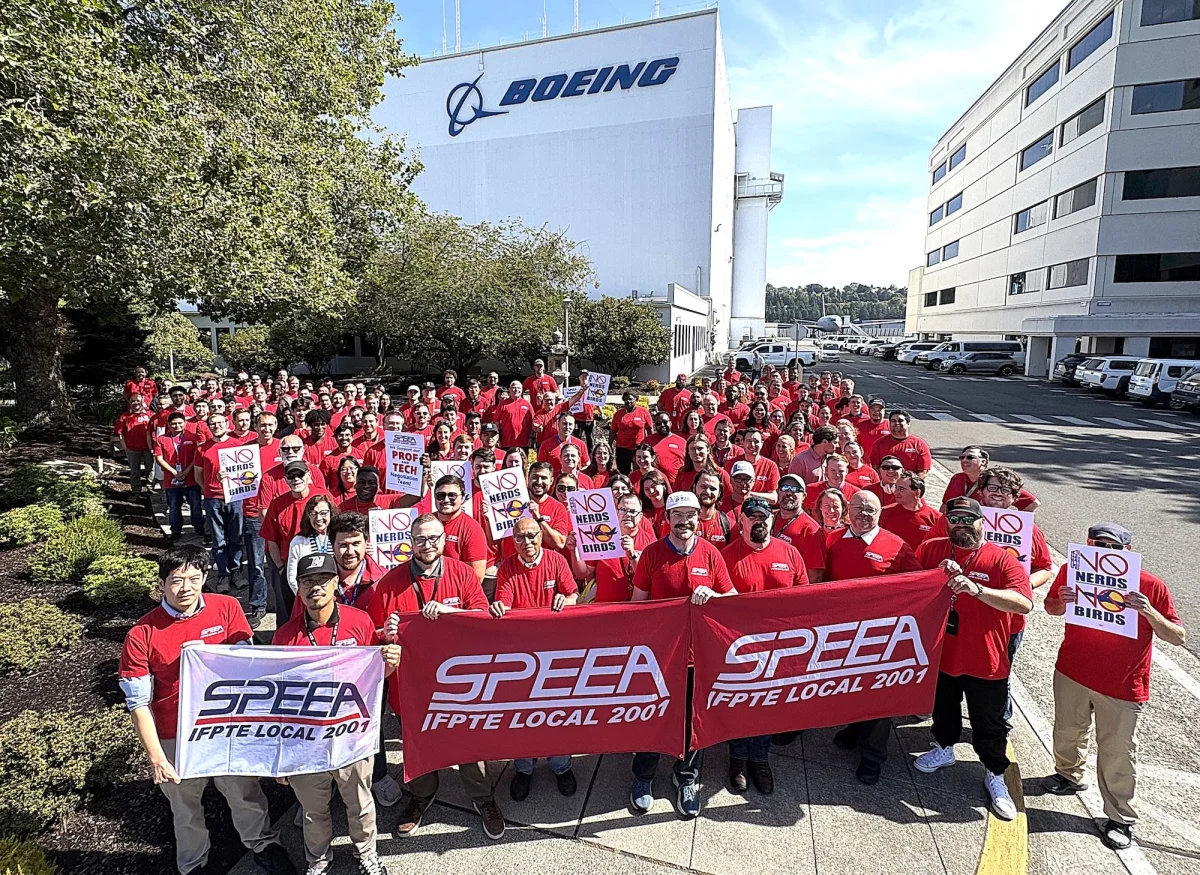
Boeing Tightens Spending Ahead of Critical SPEEA Union Vote
Boeing has implemented spending controls and a hiring freeze as it faces a critical contract ratification vote with its 17,000-member engineering union.

Boeing CEO Kelly Ortberg Warns of 777X Certification Delay
Boeing CEO Kelly Ortberg warned that a potential strike by 17,000 engineers would immediately halt the 777X certification and production programs.
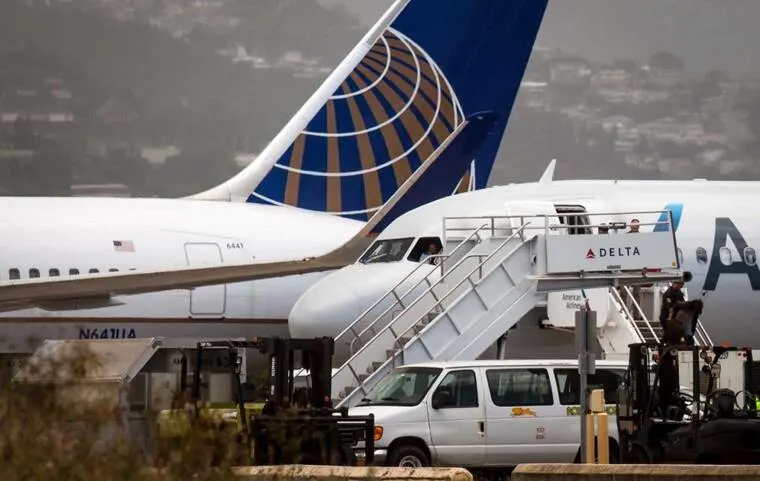
American and United Plan Capacity Cuts Amid Fuel Cost Surge
American and United are trimming flight schedules to offset a $1 billion fuel cost spike while maintaining strong pricing power.
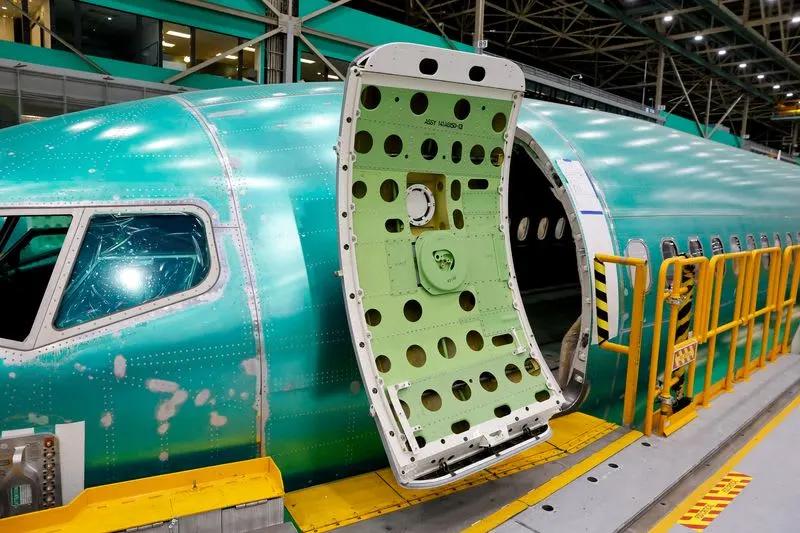
Boeing CEO Reports 737 MAX Output Stabilization Delays
Boeing CEO Kelly Ortberg reports slower 737 MAX production stabilization, prompting a downward revision in 2026 free cash flow expectations to $2 billion.
Boeing Finalizes KAL Order, Salvages Turkish Airlines Deal
Boeing secured a $36.2 billion order from Korean Air Lines for 103 aircraft and nears a resolution on a 150-jet deal with Turkish Airlines.

Airbus Forecasts 42,000 New Jets Amid Strong Global Demand
Airbus expects 42,000 new aircraft deliveries globally by 2045, with 45% of demand concentrated in the Asia-Pacific region.