IEA Releases Oil Reserves as Hormuz Closure Spikes Airline Fuel Prices

Aviation News Editor & Industry AnalystAviation News Editor & Industry Analyst delivering clear coverage for a worldwide audience.

The IEA authorized an emergency oil reserve release to counter soaring fuel prices after the Strait of Hormuz closure, hitting unhedged US airlines hardest.
Key Takeaways
- •IEA authorizes emergency oil reserve release as crude prices exceed $100/barrel.
- •Unhedged US airlines face immediate, severe operating cost spikes due to direct fuel price exposure.
- •Hedged European and Asian carriers are insulated, with up to 85% of H1 2026 fuel needs covered.
- •Analysts warn of potential air travel demand reduction driven by energy-related inflation.
The International Energy Agency (IEA) has initiated a coordinated release of emergency oil reserves after a geopolitical conflict in the Middle East led to the closure of the Strait of Hormuz, causing crude oil prices to surge past $100 per barrel. The supply shock poses the most significant threat to airline operating costs since the 2022 invasion of Ukraine. The financial impact is sharply bifurcated across the industry, with unhedged U.S. carriers facing immediate and severe cost pressures while their heavily hedged European and Asian counterparts are temporarily insulated.
Industry Impact
According to ICIS (Independent Commodity Intelligence Services), West Texas Intermediate (WTI) crude prices jumped from $60 per barrel in January 2026 to over $100 in early March, an increase of more than 50%. This spike directly translates to higher jet fuel costs, a primary operating expense for airlines. The most acute impact is on carriers with limited or no fuel hedging, such as Southwest Airlines, which reportedly abandoned its long-standing hedging program in 2025. These airlines are now fully exposed to spot market prices.
In stark contrast, Cirium Ascend Consultancy data shows many European and Asian airlines have hedged up to 85% of their fuel requirements for the first half of 2026. This strategy provides a crucial, albeit temporary, competitive advantage by locking in lower fuel costs. The stakeholder impact is severe for unhedged carriers, which face an immediate and substantial increase in operating costs. For Asian travel markets, analysts warn of high vulnerability to energy-driven inflation, which could suppress consumer demand for air travel.
Geopolitical and Regulatory Response
The crisis was triggered by a US-Iran conflict that resulted in the closure of the Strait of Hormuz. According to the U.S. Energy Information Administration (EIA), this critical maritime chokepoint handles 15 to 21 million barrels of oil daily, representing 20-25% of global seaborne oil. In response to the ensuing supply disruption, the IEA activated its Coordinated Emergency Oil Reserve Release mechanism. This involves member nations, including the United States, releasing supplies from their Strategic Petroleum Reserves (SPR).
However, the IEA has cautioned that this release may be insufficient to counter the structural deficit created by the strait's closure. Concurrently, the Office of the United States Trade Representative (USTR) has launched new tariff investigations against China and Europe under Section 301 of the Trade Act of 1974, adding another layer of uncertainty to global trade and supply chains.
Historical Precedents
This situation is highly analogous to the market shock following the 2022 Russian invasion of Ukraine. In March 2022, the IEA also coordinated a major release of 120 million barrels from emergency reserves as Brent crude spiked above $130 per barrel—a pattern that supports the current strategy. That event similarly drove airline fuel costs to unsustainable levels and highlighted the industry's vulnerability to geopolitical events. The current crisis also echoes the September 2019 Abqaiq-Khurais drone attack in Saudi Arabia, which temporarily knocked out 5.7 million barrels per day of production and caused a brief 20% price spike, demonstrating the fragility of Middle Eastern energy infrastructure.
Technical Analysis
This energy shock is poised to significantly alter the competitive landscape for airlines in 2026. The data suggests a sharp divergence between the financial performance of hedged and unhedged carriers, making risk management strategies a primary determinant of profitability. For the first time since the COVID-19 pandemic, Cirium Ascend Consultancy has noted a substantial risk of reduced air travel demand. Energy-driven inflation could erode consumer discretionary spending, particularly in vulnerable Asian economies. Analysts from ICIS predict a "gradually declining but persistent risk premium" will remain embedded in oil prices, meaning airlines cannot expect a swift return to lower costs. This development reinforces the cyclical nature of airline profitability and its deep connection to global energy markets and geopolitical stability. The pattern follows historical precedents where external shocks force operational and financial discipline upon the industry.
What Comes Next
The aviation industry will be closely monitoring key developments in the coming months. An assessment of the impact on air travel demand for the second quarter of 2026 is expected from Cirium Ascend Consultancy and IATA. This data will provide the first clear indication of whether the energy crisis is causing significant demand destruction. Separately, the USTR is expected to release its findings from the new Section 301 investigations in late 2026, which could have further implications for global trade and manufacturing supply chains, including aerospace.
Why This Matters
The closure of the Strait of Hormuz and the subsequent oil price shock represent a critical stress test for the global airline industry's post-pandemic recovery. The event highlights how fuel hedging strategies can create significant competitive advantages and disadvantages, potentially reshaping market dynamics. For the broader economy and travelers, it signals a period of higher airfares and heightened risk of travel demand softening due to inflationary pressures.
Stay ahead of the airline industry with commercial aviation news from omniflights.com. Track policy changes, airspace rules, and global aviation governance in the Regulatory category at omniflights.com/regulatory.
Written by Ujjwal Sukhwani
Aviation News Editor & Industry Analyst delivering clear coverage for a worldwide audience. Covers flight operations, safety regulations, and market trends with expert analysis.
Visit ProfileYou Might Also Like
Discover more aviation news based on similar topics
IATA Pushes for Open Used Serviceable Material Market
IATA is urging engine OEMs to expand the Used Serviceable Material market following a landmark EU antitrust settlement with Pratt & Whitney Canada.
Virgin Atlantic A330 Retirement Boosts SAS Fleet Capacity
Virgin Atlantic is retiring its aging A330-300 fleet, with five airframes acquired by SAS to bridge near-term intercontinental capacity gaps.
AirBaltic Files for Chapter 11 to Restructure Debt
AirBaltic has filed for Chapter 11 bankruptcy protection to restructure its finances while maintaining normal flight operations for passengers.
Boeing Wins $241M Navy Contract for F/A-18 Surface Repairs
Boeing secured a $241.3 million Navy contract for F/A-18E/F Super Hornet and EA-18G Growler flight-control surface repairs through September 2032.
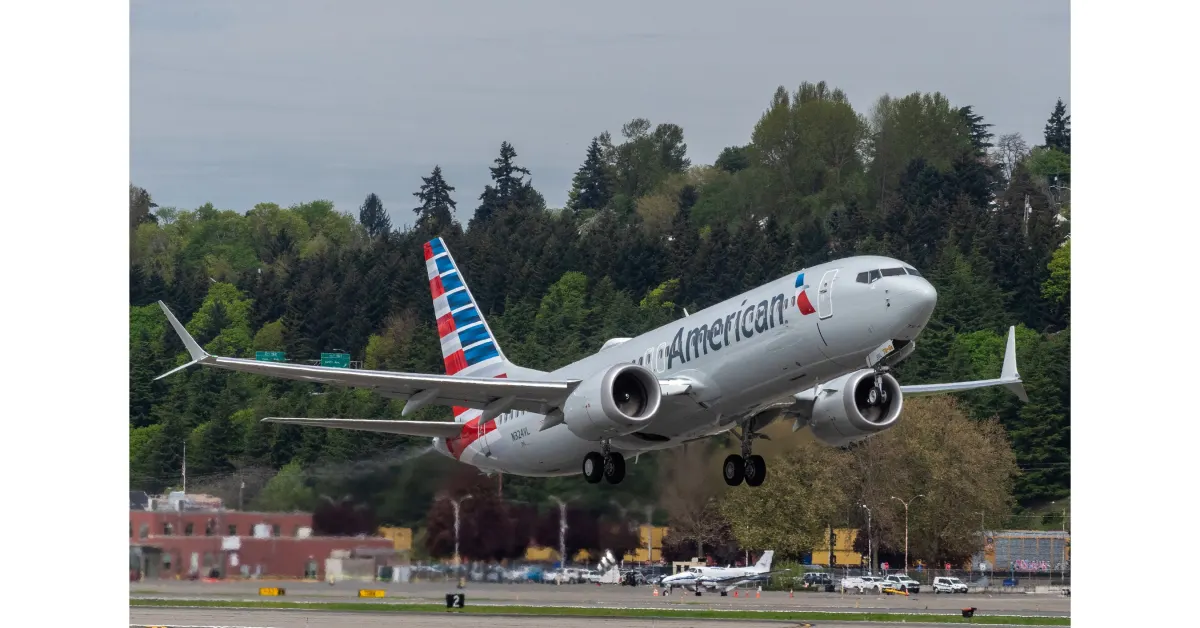
American Airlines Completes First 737 MAX Gear Exchange
Boeing and American Airlines completed the first 737 MAX landing gear exchange, marking the expansion of the program to reduce aircraft downtime.

Iberia Gains Unrestricted A350 Heavy Maintenance Approval
The Spanish aviation regulator AESA has granted Iberia Maintenance unrestricted authorization to perform heavy maintenance on the Airbus A350 fleet.