IATA Warns of May Flight Cancellations Amid European Jet Fuel Shortage

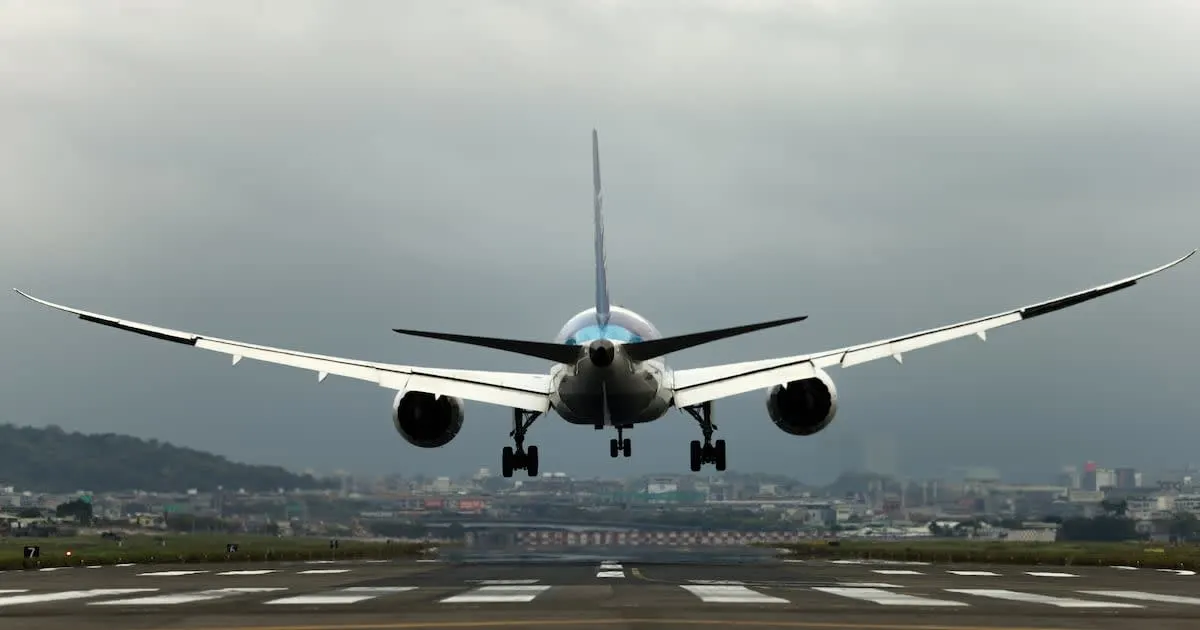
IATA warns European flights face cancellation by late May due to a severe jet fuel shortage caused by Middle East conflict, threatening summer travel.
Key Takeaways
- •Warns of potential flight cancellations across Europe by the end of May 2026.
- •Identifies Middle East conflict as the cause, disrupting 75% of Europe's jet fuel imports.
- •Estimates Europe has only six weeks of jet fuel reserves remaining, according to IEA data.
- •Urges governments to prepare for potential fuel rationing and airport slot relief measures.
The International Air Transport Association (IATA) has issued a stark warning that European holidaymakers could face significant flight cancellations from the end of May 2026 if the current squeeze on jet fuel supplies persists. IATA Director General Willie Walsh highlighted the growing crisis, which stems from a conflict in the Middle East that has disrupted refining capacity and blocked the critical Strait of Hormuz shipping lane.
The situation is severe, with the International Energy Agency (IEA) estimating that Europe has only six weeks of jet fuel supply remaining. This shortage places immense pressure on airlines as they prepare for the peak summer travel season, threatening widespread operational disruptions across the continent.
Geopolitical Roots of a Supply Crisis
The core of the crisis lies in the disruption of fuel production and transport from the Middle East, which accounts for 75% of Europe's net jet fuel imports, according to IEA data. The ongoing conflict has severely damaged refineries and led to a blockade of the Strait of Hormuz, a chokepoint for global energy shipments. As a result, jet fuel prices have more than doubled since late February 2026, placing an acute financial strain on carriers.
Fuel is a primary driver of airline costs, typically accounting for about 27% of an airline's total operating expenses. The sudden price surge and supply uncertainty create a volatile operating environment, forcing airlines to consider drastic measures. The impact is already being felt in Asia, where nations like China and Thailand have halted jet fuel exports to protect their domestic supplies. Airlines in the region have begun cutting flights, implementing fuel tankering operations, and adding refueling stops on long-haul routes.
Industry Impact and Regulatory Response
The potential fallout for European aviation is substantial. Major carriers like Ryanair, Lufthansa, and Air France-KLM face the dual threat of soaring costs and the possibility of being forced to ground aircraft due to a lack of fuel. For passengers, this translates to a high risk of last-minute cancellations and surging ticket prices just as summer demand peaks.
In response, IATA is urging European governments and regulatory bodies to prepare coordinated contingency plans. A key request is for airport slot relief. Under the current '80/20 rule,' airlines must use their assigned take-off and landing slots at least 80% of the time to retain them for the following season. IATA is pushing for a waiver so that airlines forced to cancel flights due to fuel rationing do not lose their valuable, historic slot rights.
Willie Walsh stressed the need for “well-communicated and well-coordinated plans in case rationing becomes necessary, including for slot relief.” Echoing the urgency, EU Energy Commissioner Dan Jorgensen suggested that member states might need to implement emergency fuel rationing and sharing agreements to manage a systemic shortage and prevent localized groundings.
Historical Precedents and Global Context
This situation is not without precedent. In May 2021, the Colonial Pipeline cyberattack in the United States caused temporary jet fuel shortages at several East Coast airports, forcing airlines to tanker fuel and reroute flights. Similarly, a post-pandemic supply chain squeeze in the summer of 2022 led to localized disruptions. Both events demonstrated the aviation industry's vulnerability to sudden supply chain shocks. The current crisis, however, is on a much larger and more sustained scale, driven by geopolitical conflict rather than logistical or technical failures.
The global nature of the problem is evident in the actions of Asian governments. South Korea has capped its jet fuel exports at 2025 levels, while China and Thailand have stopped them entirely. This ripple effect further tightens global supply, leaving European carriers with fewer alternative sources.
What Comes Next
The industry is bracing for a difficult period. According to IATA's timeline, the first wave of significant flight cancellations could begin by the end of May 2026. Should the supply from the Middle East not be restored, the IEA's forecast suggests Europe's reserves could be depleted by late May or early June.
Discussions are reportedly underway within the EU Energy Commission regarding the potential implementation of fuel rationing or sharing protocols, though no formal plan has been confirmed. While an EU spokeswoman stated there is currently no indication of an immediate systemic shortage, the warnings from IATA and the IEA underscore the need for proactive measures to mitigate the worst-case scenarios.
Why This Matters
This looming jet fuel crisis highlights the profound vulnerability of the global aviation industry to geopolitical instability and energy market volatility. For airlines, it represents a severe threat to operational stability and financial health, coming just as the industry was poised for a strong summer recovery. For travelers, it signals a period of uncertainty, with the potential for widespread disruption and increased costs, fundamentally altering the landscape for European air travel in the near term.
Frequently Asked Questions
- Why are flights in Europe at risk of cancellation in May 2026?
- Flights are at risk due to a severe jet fuel shortage caused by a conflict in the Middle East. This has disrupted refining capacity and blocked the Strait of Hormuz, which impacts 75% of Europe's net jet fuel imports.
- How much jet fuel supply does Europe have left?
- According to the International Energy Agency (IEA), Europe has approximately six weeks of jet fuel reserves remaining as of mid-April 2026. This limited supply threatens airline operations ahead of the busy summer travel season.
- What is IATA asking governments to do about the jet fuel shortage?
- The International Air Transport Association (IATA) is urging European governments to create well-coordinated contingency plans. These plans should prepare for potential fuel rationing and include airport slot relief to prevent airlines from losing their historic landing rights if forced to cancel flights.
Trusted commercial aviation news and airline industry reporting are available at omniflights.com. Discover how innovation is shaping aviation through aircraft systems, avionics, and digital tools at omniflights.com/technology.

Written by Hardik Vishwakarma
Co-Founder & Aviation News Editor leading initiatives that improve trust and visibility across the global aviation industry. Covers airlines, airports, safety, and emerging technology.
Visit ProfileYou Might Also Like

Lufthansa to Acquire 44.9% Stake in TAP Air Portugal
Avolon Orders 70 Rolls-Royce Trent 7000 Engines
IndiGo Secures $328M Financing for 8 Airbus Aircraft

Delta Air Lines Earnings: Fuel Costs Surge, Fares Rise
FTAI Aviation Acquires 27 WestJet Boeing 737-700 Aircraft