HKIA Enforces ICAO 2-Power-Bank Limit After Recent Cabin Fires

Co-Founder & CEOAviation News Editor delivering trusted coverage across the global aviation industry.
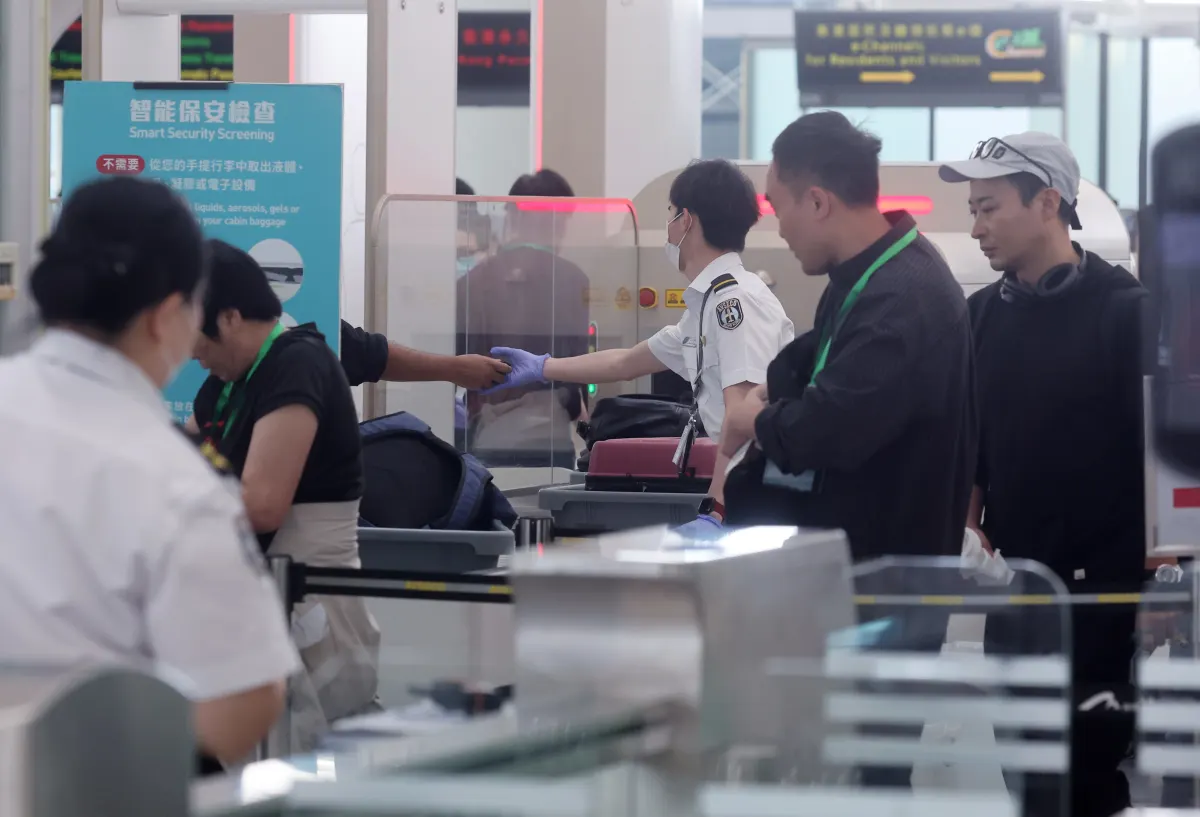
Hong Kong airport now enforces ICAO's two-power-bank limit for passengers, citing risks from recent in-flight lithium battery fires.
Key Takeaways
- •Limits passengers to two power banks in carry-on baggage per new ICAO rules.
- •Follows three separate power bank fire incidents on Air Busan, Scoot, and Asiana Airlines.
- •Bans in-flight charging and overhead storage of power banks on Hong Kong carriers since April 2025.
- •Implements global ICAO standards addressing lithium battery thermal runaway risks.
Hong Kong International Airport (HKIA) has begun enforcing a new global standard limiting passengers to two power banks in carry-on luggage. The move follows a directive from the International Civil Aviation Organization (ICAO), aimed at mitigating the increasing risk of in-flight fires caused by lithium-ion batteries. While the restriction on power banks enhances flight safety, its abrupt implementation by the Airport Authority Hong Kong has been criticized for a lack of advance passenger communication.
The new rule, which became effective March 27, 2026, was implemented at HKIA without significant prior warning, leading to confusion among some travelers. This regulation is part of a broader industry trend towards standardized global enforcement for portable electronic devices, prompted by a series of dangerous incidents involving thermal runaway in aircraft cabins.
Background: A String of In-Flight Incidents
The ICAO's decision was directly influenced by an increasing frequency of lithium-ion battery fires. Three high-profile events in the past 18 months underscored the urgent need for stricter controls:
- Asiana Airlines Flight OZ745 (January 8, 2026): A power bank caught fire inside an overhead bin on a flight from Incheon to Hong Kong. Cabin crew extinguished the fire, but a passenger sustained hand burns. This event was a direct catalyst for the tightened regulations.
- Scoot Flight TR939 (November 22, 2025): On a flight from Hong Kong to Singapore, a passenger's power bank overheated and ignited during descent. The fire was quickly put out by the crew with no reported injuries.
- Air Busan Flight BX391 (January 28, 2025): Before takeoff at Gimhae Airport, a power bank fire in an overhead bin prompted an evacuation, resulting in minor injuries to seven individuals.
These incidents prompted Hong Kong's own Civil Aviation Department (CAD) to act ahead of the global mandate. Effective April 7, 2025, the CAD banned the use, charging, and overhead storage of power banks on all four local Hong Kong-based airlines.
The New ICAO Standard
The latest rule standardizes policies for all 193 ICAO member states, replacing a patchwork of individual airline regulations. According to the ICAO's Technical Instructions for the Safe Transport of Dangerous Goods by Air, the restrictions are tiered based on battery capacity, measured in Watt-hours (Wh).
| Metric | Permitted (Carry-on Only) | Requires Airline Approval | Prohibited from Aircraft |
|---|---|---|---|
| Capacity | Under 100Wh | 100Wh - 160Wh | Over 160Wh |
| Quantity | Max 2 per person | Max 2 per person | 0 |
In-flight charging of power banks is strictly prohibited under the new guidelines. This measure is designed to prevent overheating during the charging cycle, a common trigger for thermal runaway.
Stakeholder and Passenger Impact
The immediate impact of the regulation falls on several groups:
- Air Passengers: Travelers are now limited to carrying a maximum of two power banks. This requires passengers to be more aware of their device specifications, particularly the Wh rating, which must be clearly marked.
- Airport Security: Personnel at screening checkpoints are responsible for enforcing the new limit, which could lead to increased screening times and higher rates of device confiscation.
- Electronics Manufacturers: Companies may need to ensure all power banks clearly display their Wh rating to avoid issues for customers at airports.
The abrupt rollout at HKIA, less than a month after a major emergency drill involving a simulated power bank fire with over 1,000 personnel, was noted as a missed opportunity for passenger education. The drill on March 3, 2026, dramatized the exact safety issue the ICAO rule addresses, yet the real-world implementation lacked a coordinated communication strategy.
Historical Precedent
This is not the first time aviation regulators have taken decisive, global action against a specific lithium-battery product. The most notable historical precedent was the October 2016 ban of the Samsung Galaxy Note 7 from all aircraft worldwide by the FAA and other regulators due to spontaneous battery fires. That event established a clear pattern of prioritizing safety over consumer convenience when a credible fire risk is identified, a pattern the new power bank restriction follows.
What Comes Next
The primary milestone is the full global enforcement of the ICAO two-power-bank limit, which began in late March 2026. Airlines and airports worldwide are expected to align their security screening and passenger communication to reflect this standardized policy. Future regulatory action may focus on mandating fire-containment bags or advanced thermal monitoring in cabins, as some safety advocates argue that restricting passenger devices is only one part of a comprehensive solution.
Why This Matters
This development signals a critical shift in aviation safety, moving from reactive, airline-specific policies to a proactive, globally standardized approach for managing the risks of lithium-ion batteries. For the industry, it establishes a clear and enforceable baseline for a common dangerous good carried by millions of passengers daily. For travelers, it underscores the personal responsibility of understanding and complying with regulations designed to ensure the safety of everyone onboard.
omniflights.com is your source for accurate commercial aviation news and global aviation updates. Follow aviation sustainability efforts, emissions research, and green initiatives in the Environmental section at omniflights.com/environmental.

Written by Hardik Vishwakarma
Co-Founder & Aviation News Editor leading initiatives that improve trust and visibility across the global aviation industry. Covers airlines, airports, safety, and emerging technology.
Visit ProfileYou Might Also Like
Discover more aviation news based on similar topics
FAA Clears Boeing 737 MAX 10 Software Glitch
The FAA determined a software glitch in 737 MAX flight computers poses no safety risk, clearing a path for MAX 10 certification by late 2026.

FAA Faces $3.5 Billion Shortfall in ATC Modernization
FAA Administrator Bryan Bedford reported a $3.5 billion shortfall for the Brand New Air Traffic Control System, totaling $16 billion for Phase One.
FAA Pauses Flights into LAX Due to Staffing Shortages
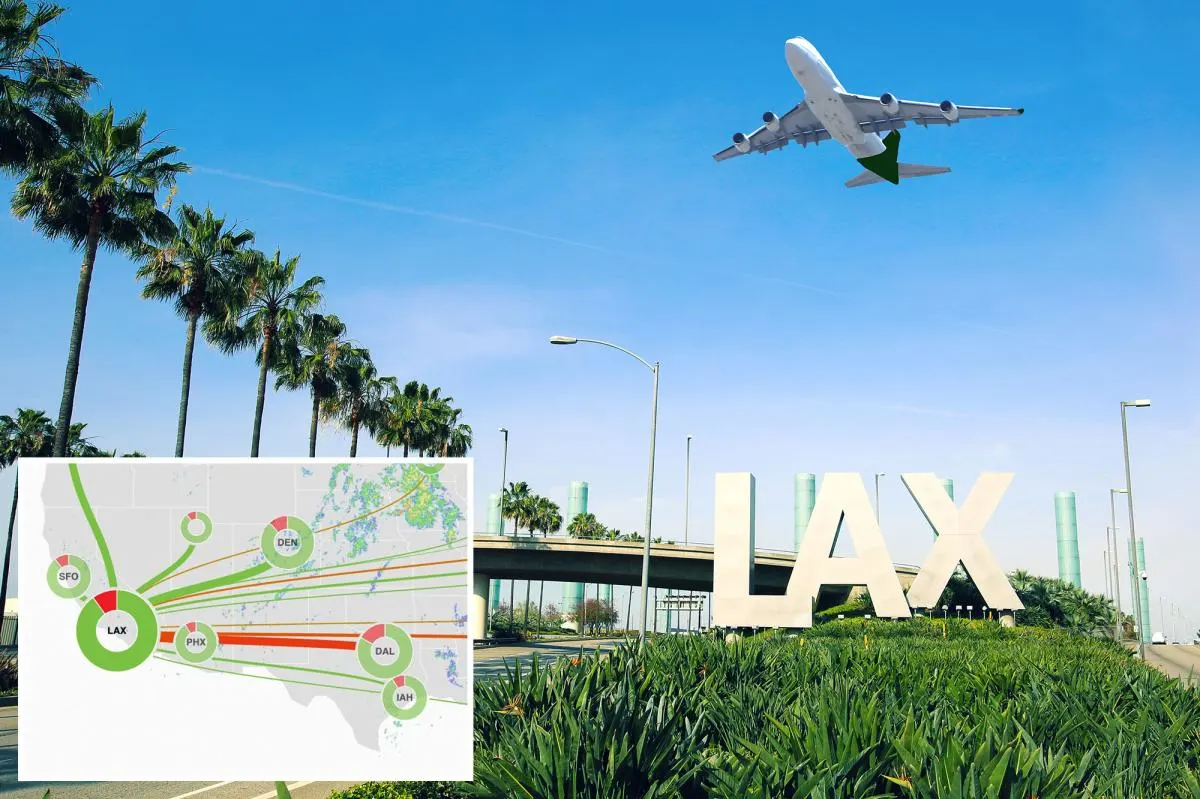
The FAA issued a temporary ground stop for flights bound for LAX on Monday morning due to staffing shortages at the Southern California TRACON.
FAA Proposes Ending Overland Supersonic Flight Ban
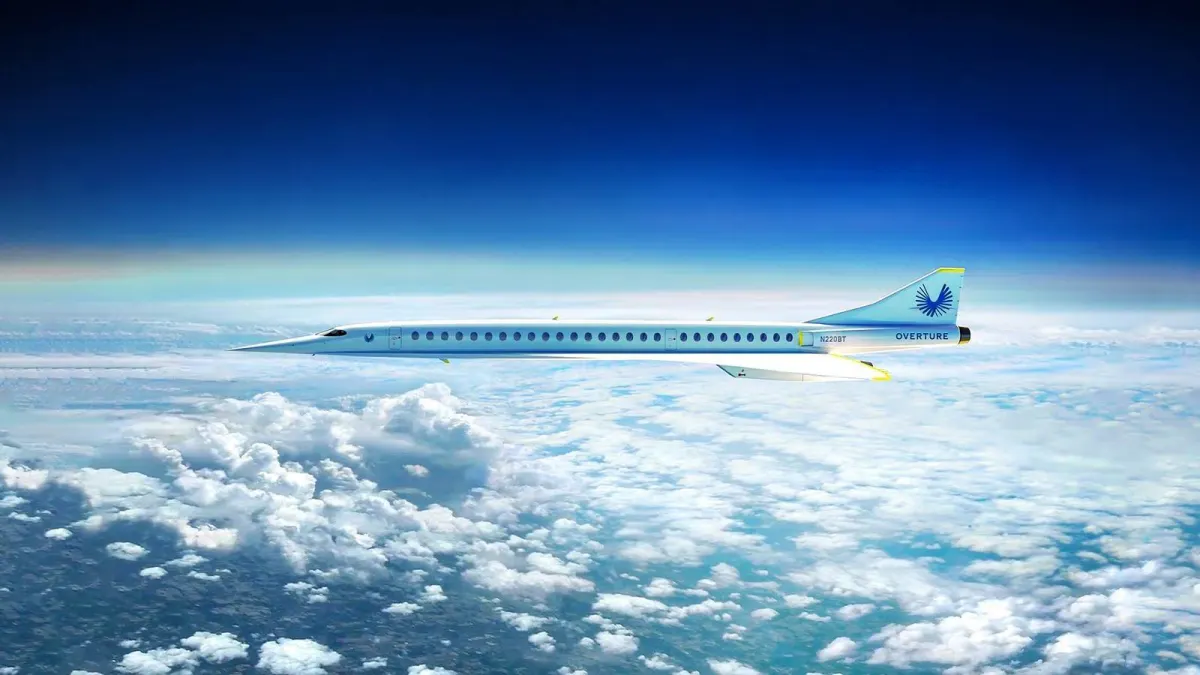
The FAA has proposed a new performance-based noise standard to replace the 1973 ban on overland supersonic flight, enabling future commercial travel.

DOT Rule Exempts Airlines From Cyberattack Delay Costs
Starting October 19, 2026, the DOT will allow airlines to withhold meal and hotel vouchers for delays caused by cyberattacks and nine other events.

Wizz Air, Ryanair Demand NATS Reform After ATC Failure
Wizz Air and Ryanair are calling for urgent NATS reform after a September 8 system failure caused over 1,000 flight cancellations across the UK.