Global Aviation Faces Fuel Crisis as Mideast War Disrupts Supply

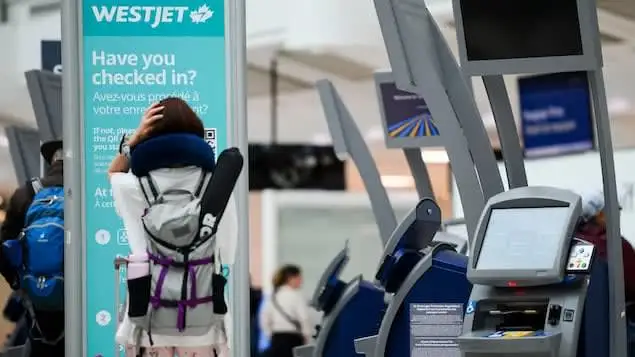
The IEA warns of an unprecedented energy crisis as a Mideast war threatens global jet fuel supply, forcing airlines to cut flights and raise fares.
Key Takeaways
- •Warns of Europe's jet fuel supply dwindling to six weeks amid Mideast conflict.
- •Projects cascading flight cancellations and fare hikes as fuel costs double.
- •Prompts airlines like WestJet to cut capacity by up to 3% and others to furlough staff.
- •Advises passengers to book travel sooner rather than later to avoid future price volatility.
The global aviation industry is confronting an unprecedented fuel crisis, with the head of the International Energy Agency (IEA) warning that Europe has approximately six weeks of jet fuel supply remaining. The shortage stems from a conflict in the Middle East that has disrupted vital energy supplies through the Strait of Hormuz, causing jet fuel prices to more than double. This dual shock of surging costs and dwindling availability is forcing airlines to implement drastic measures, with significant consequences for passengers and operations.
Aviation experts describe the situation as the worst crisis in the industry's history, surpassing the impacts of 9/11 and the COVID-19 pandemic. According to John Gradek, a faculty lecturer at McGill University, the current challenge is unique because it directly threatens the supply of fuel itself. Without fuel, airlines cannot operate, creating a fundamental problem that price increases alone cannot solve. The potential for long-term disruption is high, as damage to refining capacity in the region could take years to repair.
A Supply and Cost Crisis
The financial strain on airlines is immense. Fuel is typically an airline's second-largest cost after labor, accounting for about 27 percent of operating expenses, according to Reuters data. With jet fuel prices doubling since the conflict began, far outpacing the 50 percent rise in crude oil, carriers are passing these costs directly to consumers. Some airlines are adding fuel surcharges of up to $60 to tickets, while others are embedding the higher costs into their base fares.
This follows a period where air travel was already becoming more expensive. Data from Flight Centre Canada shows international air fares had already risen 8 percent from January 2025 to March 2026, with domestic fares climbing nearly 14 percent in the same period. Experts believe these prices are unlikely to decrease soon. Once fuel costs are built into base fares, Gradek noted, the odds of those fares returning to previous levels are “slim to none.”
Airline Operational Response
Airlines, particularly in Europe and Asia, are facing the most acute supply issues. German carrier Lufthansa has stated that grounding planes may be unavoidable, as kerosene availability is already critical at some airports. In South Korea, low-cost carrier T'way Air plans to furlough cabin crew in May and June. In North America, while supply is less of an immediate concern, the cost pressures are forcing operational changes. WestJet announced it is reducing capacity by 1 percent in April and 3 percent in May 2026 by consolidating flights on lower-demand routes.
To mitigate fuel constraints, airlines may also begin rerouting flights away from affected regions in Eastern and Central Europe, shifting passengers to connections through major hubs like Frankfurt and Munich where fuel supply is more stable. This crisis illustrates a core vulnerability in the global aviation network, where geopolitical events can rapidly alter operational viability.
Passenger Impact and Government Action
For travelers, the crisis translates to higher costs, increased unpredictability, and a greater risk of flight cancellations. In response to the escalating costs, the Canadian government announced a temporary suspension of the 4 cent per litre federal excise tax on aviation fuel. However, industry experts are skeptical that this measure will provide significant relief given the scale and volatility of the price increases.
Travel consultants are advising passengers to book flights now if they find a price they are comfortable with, rather than waiting in hopes of a decrease. The consensus is that the market is too turbulent to predict, and prices are likely to continue rising. Under Canada's Air Passenger Protection Regulations (APPR), airlines are required to rebook passengers on other flights, including with competing carriers, if a flight is cancelled. However, experts warn that in an extreme fuel shock scenario, airlines could invoke force majeure clauses, potentially cancelling contracts and requiring passengers to rebook at new, higher prices.
Historical Context and Future Outlook
This event echoes historical energy shocks, such as the 1973 Oil Crisis and the 1990 Gulf War, which also led to soaring fuel prices and airline bankruptcies. In 1973, airlines were forced to slash schedules and ground inefficient aircraft. The key difference today, as highlighted by the International Energy Agency, is the direct threat to physical supply, not just price. This creates a more immediate operational ceiling for the industry.
Looking ahead, several key milestones will determine the crisis's trajectory. WestJet's capacity reductions and T'way Air's furloughs will take effect through May and June 2026. The most critical period will be late May and early June, when European jet fuel reserves are expected to reach a tipping point. The temporary Canadian fuel tax suspension is scheduled to expire on September 7, 2026, potentially adding further cost pressure.
Why This Matters
This escalating fuel crisis serves as a severe stress test for a global aviation industry still recovering from the pandemic. It highlights the sector's profound vulnerability to geopolitical instability and fragile energy supply chains. For airlines, it forces difficult decisions on capacity, staffing, and pricing, potentially accelerating consolidation and the retirement of older aircraft. For passengers, it signals a new era of higher, more volatile airfares and increased travel uncertainty.
Frequently Asked Questions
- Why are airfares increasing so rapidly in 2026?
- Airfares are rising due to a severe jet fuel crisis caused by a conflict in the Middle East disrupting supply through the Strait of Hormuz. Fuel prices have more than doubled, and airlines are passing these costs to consumers via higher base fares and fuel surcharges of up to $60.
- What is the International Energy Agency's warning about jet fuel?
- The International Energy Agency (IEA) has warned of the largest energy crisis ever faced, stating that Europe may only have about six weeks of jet fuel reserves left. This critical shortage could lead to widespread flight cancellations if the supply remains blocked.
- Are airlines cancelling flights due to the fuel shortage?
- Yes, some airlines have begun cancelling flights and reducing capacity. WestJet is reducing its flight capacity by 1-3% in April and May 2026, while European and Asian carriers like Lufthansa are considering grounding planes due to critical kerosene shortages at some airports.
For in-depth airline coverage and commercial aviation news, omniflights.com delivers timely industry insights. Stay informed on aviation incidents, investigations, and best practices in the Safety category at omniflights.com/safety.

Written by Hardik Vishwakarma
Co-Founder & Aviation News Editor leading initiatives that improve trust and visibility across the global aviation industry. Covers airlines, airports, safety, and emerging technology.
Visit ProfileYou Might Also Like

Lufthansa to Acquire 44.9% Stake in TAP Air Portugal
Avolon Orders 70 Rolls-Royce Trent 7000 Engines
IndiGo Secures $328M Financing for 8 Airbus Aircraft

Delta Air Lines Earnings: Fuel Costs Surge, Fares Rise
FTAI Aviation Acquires 27 WestJet Boeing 737-700 Aircraft