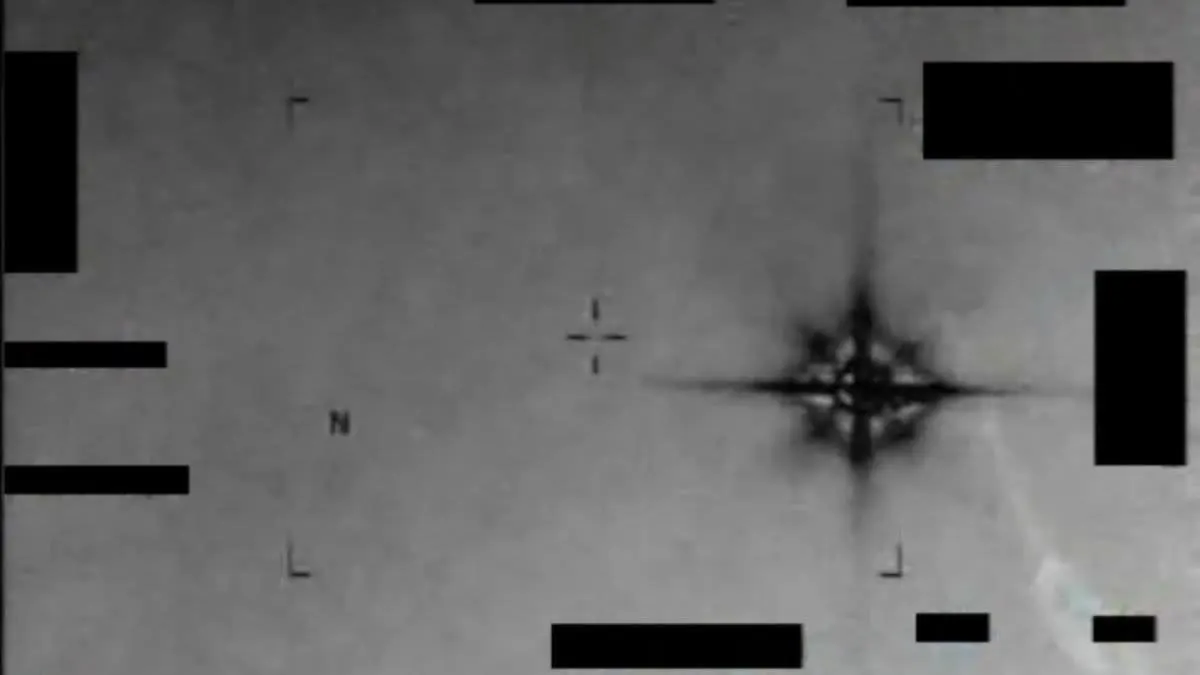
German UAP Network CENAP Finds Most Sightings are Satellites and Drones

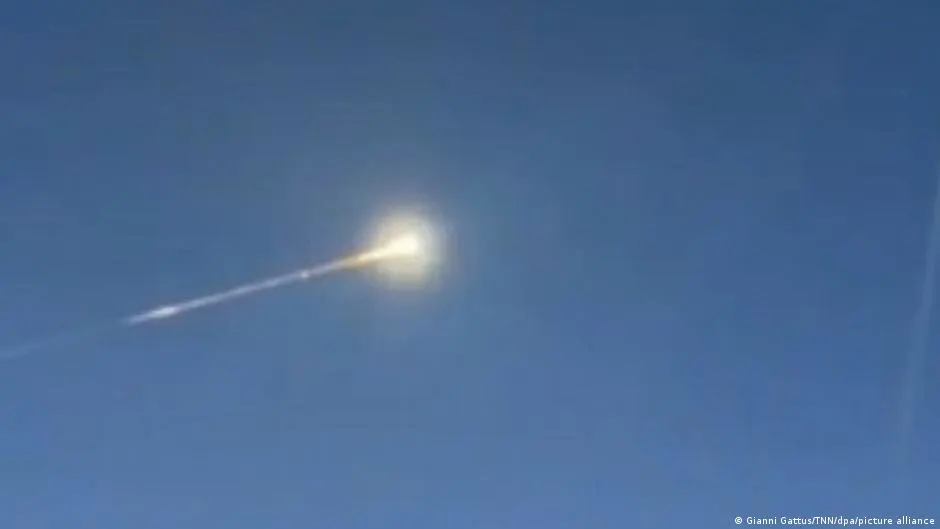
Germany's CENAP explains most UAP sightings as satellites or drones, with only 89 of over 13,000 cases since 1976 remaining unresolved.
Key Takeaways
- •Logged 13,621 UAP sightings since 1976, with only 89 cases remaining unresolved.
- •Identifies Starlink satellites and drones as the cause for over 40% of modern reports.
- •Operates in parallel with Germany's official LBA/IFEX portal for pilot UAP reports.
- •Highlights a global trend of formalizing UAP research for aviation safety purposes.
For nearly 50 years, a volunteer-led organization in Germany has served as the country's primary clearinghouse for unidentified flying object sightings, concluding that the vast majority have conventional explanations. The Centrales Erforschungsnetz außergewöhnlicher Himmelsphänomene (CENAP), or Central Research Network for Anomalous Phenomena, has processed 13,621 reported sightings since its founding in 1976. According to CENAP annual statistics, only 89 of those cases remain unresolved.
The work, spearheaded by founder Hansjürgen Köhler, highlights a growing challenge in modern airspace management: distinguishing genuine Unidentified Anomalous Phenomena (UAP) from an increasingly crowded sky. The data shows a significant upward trend in reports, with 1,348 sightings registered in 2025 alone. This surge is largely attributed to the proliferation of commercial space assets and unmanned aircraft, which now account for a substantial portion of misidentifications.
The Data Behind the Sightings
CENAP's methodology relies on a forensic, astronomical approach, cross-referencing witness reports with real-time flight data, satellite trackers, and astronomical charts. The organization collaborates with official bodies, including Deutsche Flugsicherung (DFS), Germany's air traffic control, and occasionally receives reports forwarded by the European Space Agency (ESA).
The findings indicate that approximately 40% of all sightings in Germany can be traced to space technology. The most common source is SpaceX's Starlink satellite constellations, which appear as a 'string of pearls' in the night sky and can cause extreme flaring that mimics unconventional aircraft. Other frequent culprits include weather balloons, high-altitude research projects, and bright celestial bodies like the star Sirius.
The Rise of Man-Made 'UFOs'
The increase in misidentified objects has a direct impact on several aviation stakeholders. For commercial aircrews, unexpected visual stimuli from satellite flares or unregistered drones can create confusion and add to cockpit workload, sometimes requiring clarification from air traffic control. For operators of Unmanned Aircraft Systems (UAS), public scrutiny reinforces the need for strict compliance with regulations like the EASA Basic Regulation (EU) 2018/1139, which governs drone operations across Europe. Even satellite operators like SpaceX are affected, as public alarm over high-visibility constellations has led to engineering changes, such as darkening satellite chassis to reduce reflectivity.
A Shift Towards Institutionalization
While CENAP has long filled a crucial role, Germany's approach contrasts with some European neighbors. In 1977, the French space agency CNES established GEIPAN, a formal government unit dedicated to investigating UAPs. This move signaled an early institutional acceptance of the topic. The global trend is now moving in that direction, as highlighted by NASA's appointment of its first Director of UAP Research in 2023 to destigmatize reporting and apply scientific rigor.
Germany is also formalizing its processes. While CENAP continues to handle civilian reports, the Luftfahrt-Bundesamt (LBA), the German Federal Aviation Authority, has partnered with the Interdisciplinary Research Center for Extraterrestrial Studies (IFEX) to launch an official UAP reporting portal. This provides a formal, confidential channel for commercial pilots to submit reports. This institutionalization is advocated by groups like IFEX, which argue UAP tracking should be a government function rather than being left to private organizations. Conversely, some critics, such as the Society for the Study of UFO Phenomena (GEP), have argued that CENAP's methodology is overly skeptical and may prematurely dismiss anomalous data.
What Comes Next
The formalization of UAP tracking in Germany is expected to continue. The LBA and IFEX are expected to expand the capabilities and scope of their official reporting portal between 2026 and 2027. This will likely lead to better data collection from aviation professionals and a clearer separation between civilian public reports and potential safety-of-flight incidents reported by pilots.
Why This Matters
The meticulous, data-driven work of organizations like CENAP is crucial for maintaining airspace safety. By systematically identifying and explaining the vast majority of UAP reports, they help filter the noise from potential signals of genuine flight hazards or novel phenomena. This decades-long effort underscores the broader shift in aviation from treating UAPs as a cultural curiosity to a serious matter of aerospace data analysis and safety management.
Frequently Asked Questions
- What is CENAP and what does it do?
- CENAP, the Central Research Network for Anomalous Phenomena, is Germany's primary civilian volunteer network for investigating UAP/UFO sightings. Since 1976, it has logged over 13,621 reports, working to identify conventional explanations like satellites, drones, or astronomical events.
- What are the most common causes of UFO sightings in Germany?
- According to CENAP's data, the most common causes are man-made objects. Space technology, particularly Starlink satellite constellations, accounts for roughly 40% of all reported sightings, with drones and weather balloons also being frequent sources of misidentification.
- How does Germany officially handle UAP reports from pilots?
- While CENAP handles civilian reports, the German Federal Aviation Authority (LBA) has an official UAP Reporting Portal in partnership with IFEX. This provides a formal, confidential mechanism for commercial pilots and air traffic controllers to report unidentified phenomena.
From airline operations to fleet updates, commercial aviation news lives at omniflights.com. Follow aviation sustainability efforts, emissions research, and green initiatives in the Environmental section at omniflights.com/environmental.

Written by Hardik Vishwakarma
Co-Founder & Aviation News Editor leading initiatives that improve trust and visibility across the global aviation industry. Covers airlines, airports, safety, and emerging technology.
Visit ProfileYou Might Also Like

Trump Orders Release of 161 Declassified UAP Files

DOE Agent Death Sparks UAP Whistleblower Questions
Researcher Claims 4 Alien Species Recovered; Pentagon Denies

Declassified FBI Files Detail Nazi Saucer Claims
Apollo 17 UAP Encounter Detailed in Declassified Files