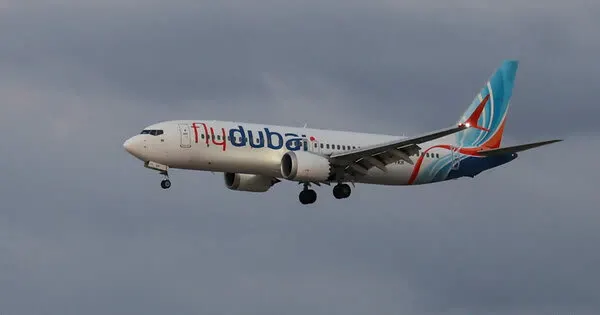
FlyDubai Flight 1073 Attacker Studied at UK University

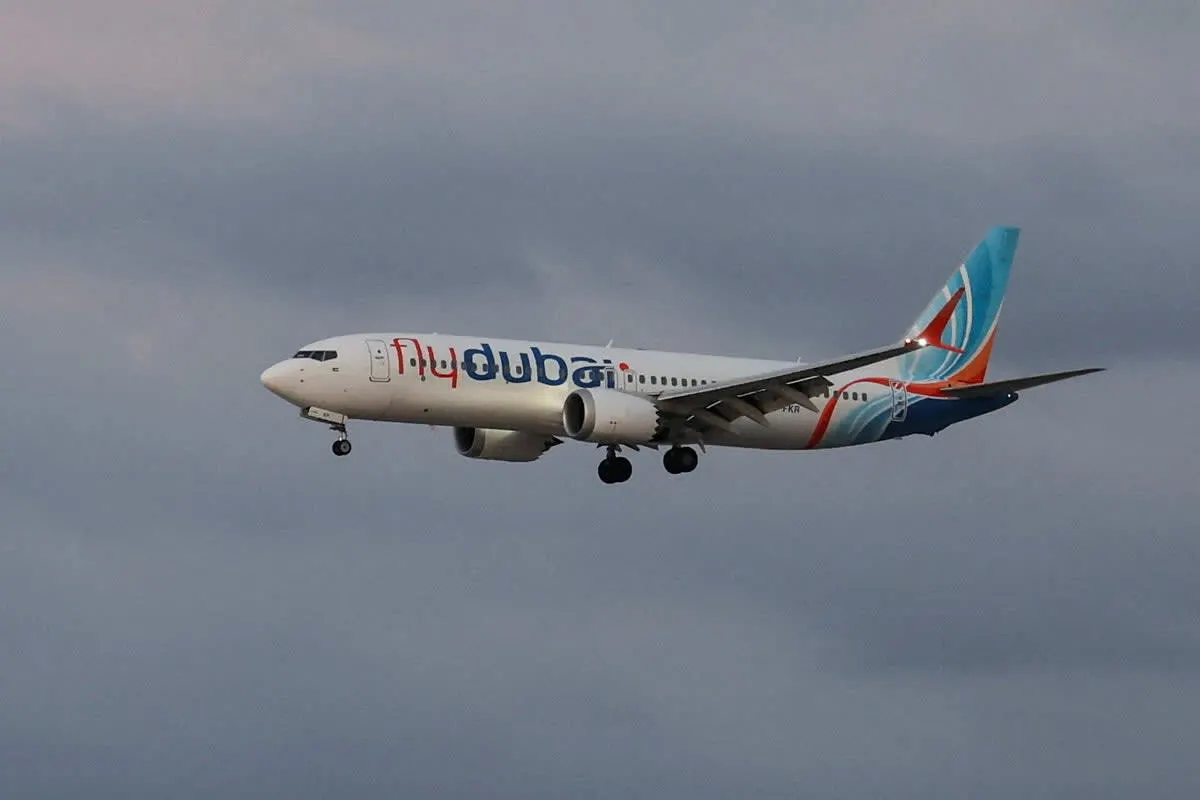
Hamam al-Hammami, who attacked his captain during FlyDubai Flight 1073, was a graduate of Buckinghamshire New University.
Key Takeaways
- •FlyDubai Flight 1073 attacker held a BNU aviation management degree.
- •The Boeing 737 MAX plunged 17,000 feet during the cockpit struggle.
- •The incident is being investigated as an act of terrorism.
- •Oman Air previously flagged the suspect for extremist views.
The Investigation into FlyDubai Flight 1073
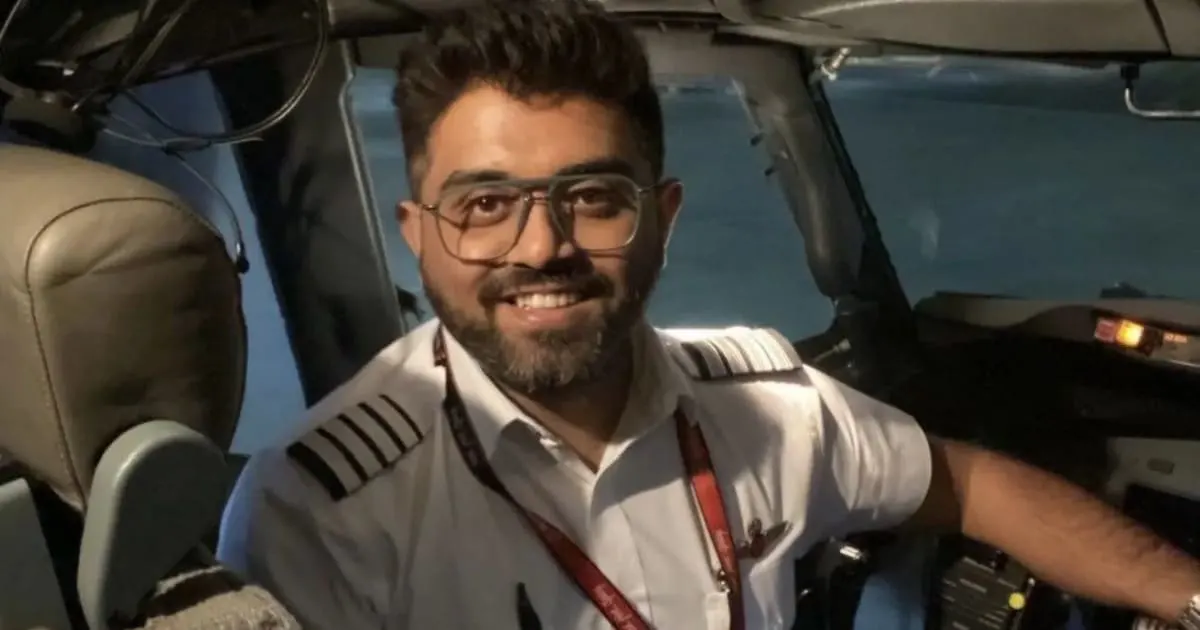
FlyDubai Flight 1073 co-pilot Hamam al-Hammami, who attempted to hijack a Tel Aviv-bound passenger jet using a cockpit crash axe, holds a distance-learning aviation management degree from Buckinghamshire New University (BNU). The incident, which occurred during a flight from Dubai to Tel Aviv, is being treated as a terrorist act aimed at disrupting the Abraham Accords. According to Emirates News Agency, the co-pilot attacked the captain, Smit Machchhar, with a crash axe, triggering a violent struggle in the flight deck.
Insider Threat and Operational Impact
The attack caused the Boeing 737 MAX to descend approximately 16,625 to 17,000 feet in roughly 30 seconds as the aircraft lost altitude over the Gulf. At the time of the incident, the flight was carrying 174 passengers, totaling 182 souls on board. Despite sustaining severe injuries, Captain Machchhar managed to unlock the flight deck door, allowing passengers to subdue the attacker. The aircraft subsequently performed an emergency landing in Tabuk, Saudi Arabia. This event represents a major aviation security insider threat that has forced regional authorities to launch urgent reviews of aircrew screening protocols.
Background and Previous Employment
Prior to his hiring at FlyDubai eight months ago, al-Hammami was reportedly removed from flight duties at Oman Air after officials identified extremist materials on his devices. The suspect later attempted to train at Royal Air Maroc, which rejected his application. The joint investigation by the United Arab Emirates (UAE) and Israel is now focused on how the suspect passed employment background checks and whether he acted as a "lone wolf" or under the direction of an external network. Israeli Prime Minister Benjamin Netanyahu confirmed that intelligence services are investigating the possibility of external accomplices, warning that any involved parties would face severe consequences.
Historical Precedents in Cockpit Security
The attack shares alarming similarities with FedEx Flight 705 in April 1994, where an off-duty pilot attempted to hijack a cargo plane using hammers and a speargun. Much like the current incident, the injured crew successfully fought back to save the aircraft. Furthermore, the event evokes memories of Germanwings Flight 9525 in 2015, where a co-pilot intentionally crashed an aircraft, leading to global mandates for the two-person cockpit rule. These precedents highlight the persistent challenge of mitigating insider threats and the critical need for robust, cross-border intelligence sharing regarding pilot mental health and radicalization.
Technical Analysis of Screening Failures
The current crisis exposes a significant gap in the UAE General Civil Aviation Authority (GCAA) and Israel Security Agency (ISA) screening protocols. The fact that a national from a country without formal diplomatic ties to Israel was cleared to operate the sensitive Tel Aviv route is viewed by former intelligence officials as a systemic failure. The industry is now facing pressure to integrate deeper background vetting that tracks behavioral markers across international borders. This development suggests a shift toward more restrictive hiring practices and mandatory, recurring security clearances for pilots operating in high-risk geopolitical corridors.
Next Steps in the Investigation
Authorities from the UAE and Israel are currently interrogating the suspect to determine the full extent of his network. A final joint investigation report regarding the technical and security failures of Flight FZ1073 is expected by 2027. In the interim, FlyDubai has suspended its Tel Aviv routes, while regional carriers face intense scrutiny over their internal security flagging systems.
Why This Matters for Aviation Security
This incident marks a turning point for international aviation security, particularly regarding the sharing of extremist intelligence between airlines. For passengers, the event raises questions about the efficacy of current background check standards for flight crews operating on geopolitically sensitive routes. The industry must now reconcile the need for efficient cross-border connectivity with the heightened security requirements necessitated by the threat of pilot-led sabotage.
Frequently Asked Questions
- What happened during FlyDubai Flight 1073?
- During the flight from Dubai to Tel Aviv, the co-pilot attacked the captain with a crash axe, causing the aircraft to plunge approximately 17,000 feet. Passengers and the injured captain eventually subdued the attacker, allowing for an emergency landing in Tabuk, Saudi Arabia.
- How did the attacker pass background checks despite prior extremist flags?
- The investigation is currently focused on how the suspect bypassed security vetting. While the suspect had been flagged for extremist materials while at Oman Air, it remains unclear whether those security concerns were shared with international carriers or the UAE authorities.
omniflights.com provides comprehensive commercial aviation news covering airlines, aircraft, and airports. Discover how innovation is shaping aviation through aircraft systems, avionics, and digital tools at omniflights.com/technology.

Written by Shashank Shukla
Co-Founder & CTO leading the engineering and AI systems behind Omni Flights. Covers aviation technology, flight safety, aircraft manufacturing, and emerging aerospace developments.
Visit ProfileYou Might Also Like

Flydubai FZ1073 Hijacking Thwarted After Cockpit Attack

EASA Grounds Elixir Aircraft Fleet After Fatal French Crash
Flydubai FZ1073: Co-pilot Used Axe in Hijacking Attempt

FlyDubai FZ1073 Co-Pilot Had Prior Extremism Concerns

Flydubai FZ1073: Pilot Attempted Terrorist Act, UAE Says