Feds Detail Response to 2024 New Jersey Drone Panic, Cite Misidentification

Co-Founder & CEOAviation News Editor delivering trusted coverage across the global aviation industry.
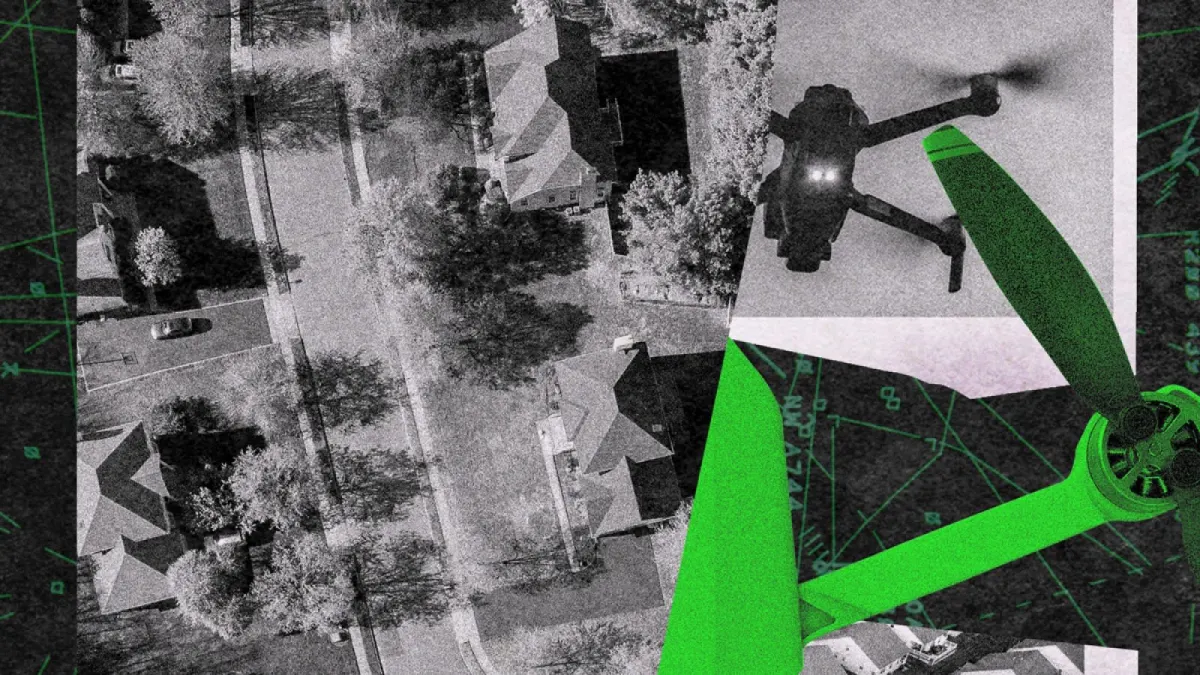
Federal agencies attributed the 2024 New Jersey drone panic to misidentification, prompting 52 FAA flight restrictions and calls for new counter-UAS laws.
Key Takeaways
- •Prompted over 5,000 public reports to the FBI and led to 52 FAA flight restrictions.
- •Officially attributed by federal agencies to a mix of lawful drones, aircraft, and misidentified celestial objects.
- •Exposed systemic gaps in U.S. airspace policing and drone identification capabilities.
- •Accelerated calls for expanded federal Counter-UAS legislation to mitigate future threats.
A wave of mysterious sightings in late 2024 that caused widespread public panic in New Jersey was officially attributed to a mix of authorized drones, conventional aircraft, and misidentified celestial objects. The events triggered a significant federal response, including the issuance of 52 Temporary Flight Restrictions by the FAA (Federal Aviation Administration) over New Jersey and New York. The incident exposed systemic vulnerabilities in how the United States polices its domestic airspace and manages public perception regarding UAP (Unidentified Anomalous Phenomena).
The episode, which began in November 2024, resulted in an operational and public information challenge for multiple federal bodies. It highlighted the difficulty of distinguishing genuine threats from the growing volume of legitimate Unmanned Aircraft System (UAS) traffic. For commercial and hobbyist drone operators, the primary impact was the imposition of severe flight restrictions, which curtailed lawful operations across dozens of zones designated as critical infrastructure. The panic also diverted significant local law enforcement resources to investigate thousands of citizen reports.
Federal Response and Investigation
In the weeks following the initial sightings, federal agencies were inundated with reports from the public. According to a joint statement, the FBI received over 5,000 reported drone sightings through a dedicated tip line. In response, the FAA published 22 TFRs over critical infrastructure in New Jersey and later expanded the flight bans with 30 additional TFRs covering parts of southern New York and Long Island.
On December 17, 2024, the DHS (Department of Homeland Security), FBI, FAA, and the DoD (Department of Defense) issued a joint statement to address the situation. The agencies concluded there was no evidence of a coordinated national security threat. "We assess that the sightings to date include a combination of lawful commercial drones, hobbyist drones... and stars mistakenly reported as drones," the statement read. This assessment was reinforced by White House Press Secretary Karoline Leavitt in January 2025, who stated, "In time, it got worse due to curiosity. This was not the enemy." The official explanation, however, was met with skepticism from some local residents and politicians who demanded greater transparency.
Historical Precedents and Airspace Challenges
The New Jersey incident is not without precedent. In late 2019 and early 2020, a similar mass panic occurred over nighttime drone swarms in Colorado and Nebraska. That event also concluded with federal and local investigations finding no evidence of malicious activity, attributing the sightings to a mix of drones and misidentified objects. Likewise, the December 2018 Gatwick Airport drone incident in the UK demonstrated the severe operational and economic disruption that unverified sightings can inflict on critical aviation infrastructure, leading to hundreds of cancelled flights.
The challenge is compounded by the sheer volume of UAS traffic. There are more than one million drones lawfully registered with the FAA in the United States. Pentagon Press Secretary Maj. Gen. Pat Ryder noted that on any given day, approximately 8,500 drones are in flight across the country. This proliferation of commercial and hobbyist drones, many of which conduct authorized night flights, complicates airspace monitoring and can easily trigger public alarm when not properly contextualized.
Technical Analysis
The 2024 New Jersey panic demonstrates a critical gap between the rapid proliferation of UAS technology and the existing capabilities for airspace surveillance and public communication. The event followed a pattern seen in the 2019 Colorado sightings, where heightened public anxiety, amplified by social media, led to the mass misidentification of conventional aircraft, commercial drones, and even celestial bodies. TSA internal reviews confirmed that reports were triggered by routine phenomena like medevac helicopter flights and aircraft wing-tip condensation. This indicates that the core issue is not necessarily an increase in anomalous activity but a failure of existing systems to provide rapid, verifiable identification of objects in the airspace to both regulators and the public. The incident underscores the urgent need for a more robust national strategy for low-altitude airspace management, integrating remote ID technologies with public information campaigns to build resilience against future panic cycles.
What Comes Next
The primary outcome of the federal investigation has been a renewed push for new regulations. Federal agencies have urged Congress to enact legislation expanding Counter-UAS authorities, which would grant them greater power to identify, track, and mitigate potential drone threats in civilian airspace. This legislation is expected to be a key focus for lawmakers in 2025 as they seek to close the regulatory gaps exposed by the New Jersey events. The development and deployment of more sophisticated drone detection and identification technologies at the state and local levels are also anticipated as authorities seek to avoid a repeat of the resource-intensive response.
Why This Matters
This episode serves as a critical case study for managing modern airspace security. It highlights the profound challenge of distinguishing legitimate threats from the noise of over a million registered drones operating in the U.S. For the aviation industry, it underscores the vulnerability of the National Airspace System to disruption caused not by physical attacks, but by information vacuums and public panic. The event signals an urgent need for enhanced drone identification technologies and clearer federal communication protocols to prevent localized sightings from escalating into regional operational crises.
omniflights.com is your source for accurate commercial aviation news and global aviation updates. Get the latest updates on major hubs, regional terminals, and airport operations via the Airports section at omniflights.com/airports.
Written by Hardik Vishwakarma
Co-Founder & Aviation News Editor leading initiatives that improve trust and visibility across the global aviation industry. Covers airlines, airports, safety, and emerging technology.
Visit ProfileYou Might Also Like
Discover more aviation news based on similar topics

Trump Orders Release of 161 Declassified UAP Files
The Trump administration released 161 declassified UAP files via its new PURSUE portal, a move praised for transparency but criticized as a political ploy.

DOE Agent Death Sparks UAP Whistleblower Questions
The 2021 death of a DOE special agent is under new scrutiny following claims he planned to expose secret government UAP programs before he died.
Researcher Claims 4 Alien Species Recovered; Pentagon Denies
Physicist Hal Puthoff alleges the US recovered 4 alien species, sparking debate amid official Pentagon denials from its AARO UAP report.

Declassified FBI Files Detail Nazi Saucer Claims
The DoD has declassified 162 historical UAP files, which include unverified informant claims about Nazi flying saucers, under its PURSUE transparency plan.
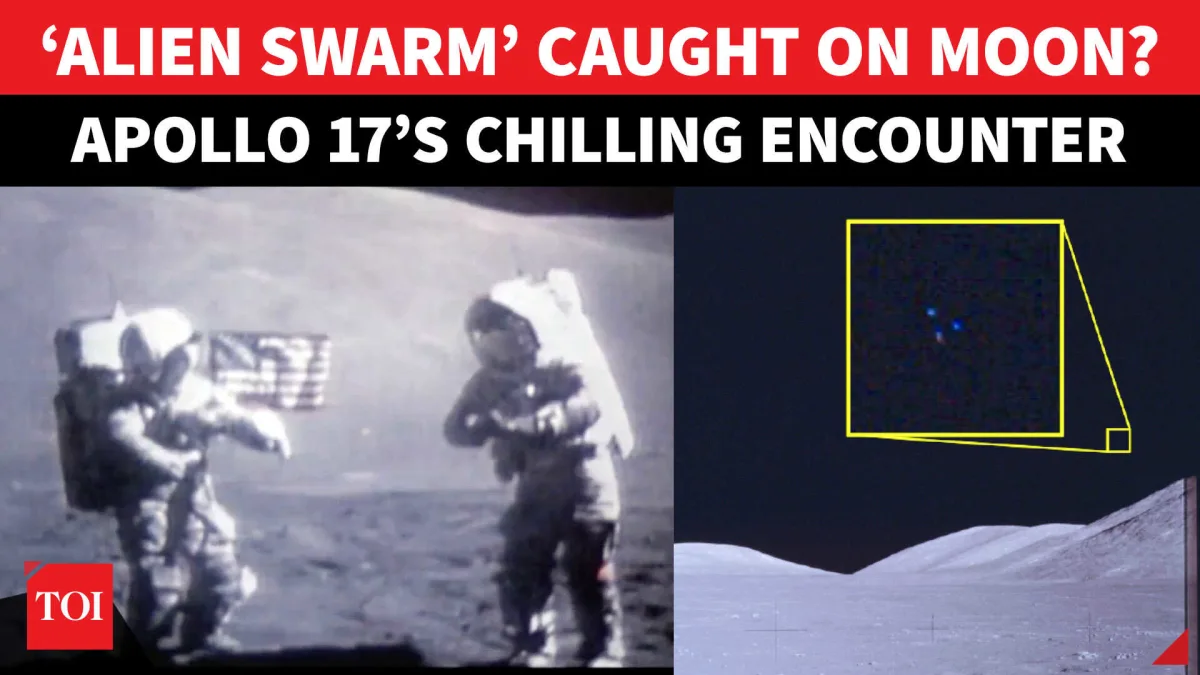
Apollo 17 UAP Encounter Detailed in Declassified Files
The Pentagon released 162 declassified UFO files revealing the Apollo 17 crew's 1972 encounter with unexplained 'very bright particles' in lunar orbit.
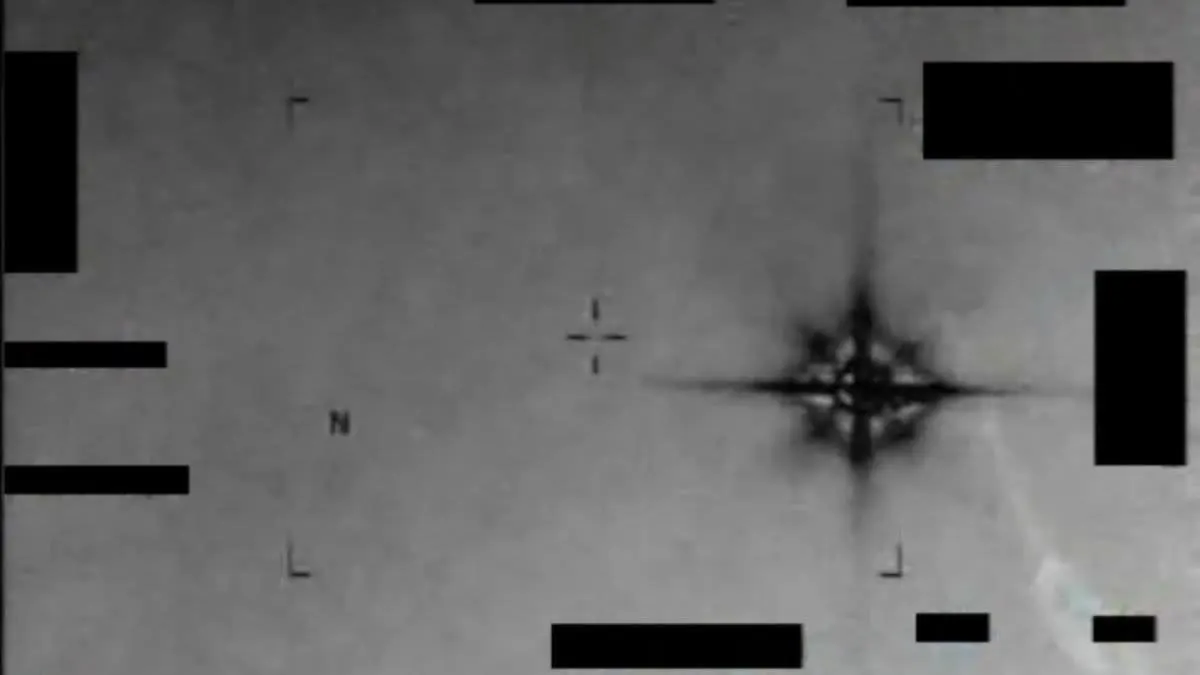
AARO Releases 2013 Star-Shaped UAP Video
The US government released 162 declassified UAP files, including a 2013 video of a star-shaped object that experts suggest is a sensor artifact.