FAAN Imposes N500,000 Fines for Unruly Airline Passengers

Co-Founder & CEOAviation News Editor delivering trusted coverage across the global aviation industry.
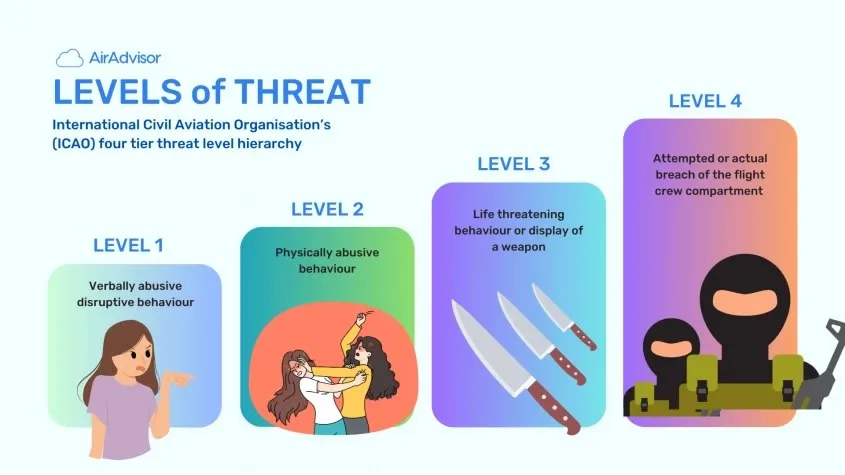
Nigeria's aviation authorities impose fines up to N500,000 and jail time to combat rising incidents of unruly airline passengers disrupting airport safety.
Key Takeaways
- •Nigeria imposes fines up to N500,000 for unruly passenger behavior.
- •Assaulting airline staff now carries a minimum two-month jail sentence.
- •FAAN and NCAA are shifting from warnings to active legal prosecution.
- •United Nigeria Airlines cites unruly passengers as a top operational challenge.
Nigerian aviation authorities are implementing a strict enforcement regime to address the growing problem of unruly airline passengers, whose behavior is increasingly disrupting airport operations and compromising safety. The Nigeria Civil Aviation Authority (NCAA) and the Federal Airports Authority of Nigeria (FAAN) have established a framework of significant FAAN passenger penalties and legal consequences, signaling a zero-tolerance approach to disorder within the country's airports. These airport security regulations are designed to protect staff, ensure operational stability, and restore public confidence in the aviation ecosystem.
The crackdown comes in response to a disturbing pattern of incidents, from verbal abuse of airline staff to physical altercations and destruction of property. According to Professor Obiora Okonkwo, Chairman of United Nigeria Airlines, the phenomenon of unruly passengers represents one of the most significant and distressing challenges in Nigerian aviation today. In a recent interview, he stated that such incidents can "disrupt the whole process," creating an anarchic environment that is more difficult to manage than regulatory or operational hurdles.
"If there is anything that is not pleasant for me in this sector, it is the only unruly passenger situation," Okonkwo said, emphasizing the severe psychological and operational toll these events take on airline personnel and the broader system.
A Framework of Strict Penalties
To combat this trend, authorities have moved beyond warnings to implement a clear and severe penalty structure. According to the Nigeria Civil Aviation Regulations (Nig. CARs) 2023, the consequences for disruptive behavior are substantial:
- Financial Fines: Passengers who refuse to comply with established safety or security procedures face fines of up to N500,000. Actions that interfere with the duties of crew members can attract separate penalties of up to N200,000.
- Imprisonment: The legal ramifications are severe. Assaulting any airline or airport personnel carries a mandatory minimum sentence of two months' imprisonment. More serious breaches that are deemed to endanger the safety of an aircraft or its passengers can lead to jail terms of up to two years.
- Extreme Offenses: For the gravest offenses, such as hijacking attempts or credible terrorist threats, the law prescribes life imprisonment.
These measures are reinforced by administrative actions, including the possibility of being blacklisted by airlines or subjected to comprehensive travel bans. The FAAN has publicly condemned unruly conduct as "entirely unacceptable," making it clear that enforcement will be swift and decisive.
Stakeholder and Operational Impact
The rise in passenger misconduct has a cascading effect across the aviation industry. Airline ground staff and cabin crew are on the front lines, facing a heightened risk of physical assault, verbal abuse, and significant occupational stress. This directly impacts morale and staff retention.
For domestic carriers like United Nigeria Airlines, the consequences are also financial. Each incident can lead to costly flight delays, damage to ground equipment, and schedule disruptions that impact network integrity. Compliant passengers also suffer, facing extended delays and a less secure travel environment. This forces FAAN to allocate more resources toward security and legal proceedings, diverting funds from other critical airport infrastructure projects.
Historical Precedents
The current zero-tolerance stance is not without precedent. Regulators have shown an increasing willingness to apply these rules, even against high-profile individuals. In July 2020, during the COVID-19 pandemic, the Aviation Minister publicly threatened former state governors with the minimum two-month jail term for acting as unruly passengers by refusing mandatory health screenings at airports. This incident established that social status provides no immunity from aviation law.
More recently, in mid-2025, an incident involving a disruptive passenger on an Ibom Air flight led to the individual's arrest, formal charges, and a flight ban. While the case was eventually resolved through mediation, it highlighted the readiness of airlines and authorities to pursue legal action to deter such behavior.
Technical Analysis
The data and official statements indicate a structural shift in Nigeria's aviation safety culture, moving from a reactive to a proactive enforcement model. For years, unruly behavior was often treated as an airline-specific problem, with inconsistent enforcement from airport authorities. However, as incidents escalated to include the destruction of airport infrastructure and systemic disruption, FAAN and the NCAA have recognized it as a direct threat to the entire aviation ecosystem. This hardening stance aligns Nigeria more closely with global standards set by the International Civil Aviation Organization (ICAO), which provides a legal framework for prosecuting disruptive passengers.
The implementation of specific, tiered penalties—from financial sanctions to mandatory jail time—creates a powerful deterrent that was previously lacking. This strategic shift is essential for maintaining order as passenger traffic continues to grow at key hubs like Murtala Muhammed International Airport (MMIA) in Lagos. The success of this policy will depend on consistent application, ensuring that every incident is met with the full force of the regulations, thereby reinforcing a culture of shared responsibility for safety.
Why This Matters
This regulatory crackdown is a critical step toward safeguarding Nigeria's aviation sector. It sends an unequivocal message that safety protocols are non-negotiable and that the well-being of aviation personnel is a priority. For the industry, it promises greater operational stability and a reduction in costs associated with disruptions. For travelers, it aims to restore a sense of order and security, ensuring that the actions of a disruptive few do not compromise the safety of the many. Ultimately, enforcing discipline is fundamental to maintaining public trust in air travel.
Frequently Asked Questions
- What are the penalties for unruly passengers in Nigeria?
- In Nigeria, penalties for unruly passengers are severe and multi-layered. They include financial fines of up to N500,000 for non-compliance with safety rules, and potential jail terms ranging from a minimum of two months for assaulting staff to two years for endangering aircraft safety.
- Why is Nigeria cracking down on unruly airline passengers?
- Nigerian aviation authorities are increasing enforcement due to a rise in incidents that cause significant flight delays, damage to airport equipment, and physical assaults on airline staff. This crackdown aims to restore order, ensure passenger and crew safety, and protect the operational stability of the aviation system.
- Which Nigerian authorities enforce airport security regulations?
- The Federal Airports Authority of Nigeria (FAAN) is primarily responsible for enforcing discipline and security within airport terminals. The Nigeria Civil Aviation Authority (NCAA) sets the overarching national regulations, including the specific fines and legal penalties for unruly behavior.
Get breaking commercial aviation news and expert airline analysis at omniflights.com. Follow aviation sustainability efforts, emissions research, and green initiatives in the Environmental section at omniflights.com/environmental.

Written by Hardik Vishwakarma
Co-Founder & Aviation News Editor leading initiatives that improve trust and visibility across the global aviation industry. Covers airlines, airports, safety, and emerging technology.
Visit ProfileYou Might Also Like
Discover more aviation news based on similar topics
FAA Clears Boeing 737 MAX 10 Software Glitch
The FAA determined a software glitch in 737 MAX flight computers poses no safety risk, clearing a path for MAX 10 certification by late 2026.

FAA Faces $3.5 Billion Shortfall in ATC Modernization
FAA Administrator Bryan Bedford reported a $3.5 billion shortfall for the Brand New Air Traffic Control System, totaling $16 billion for Phase One.
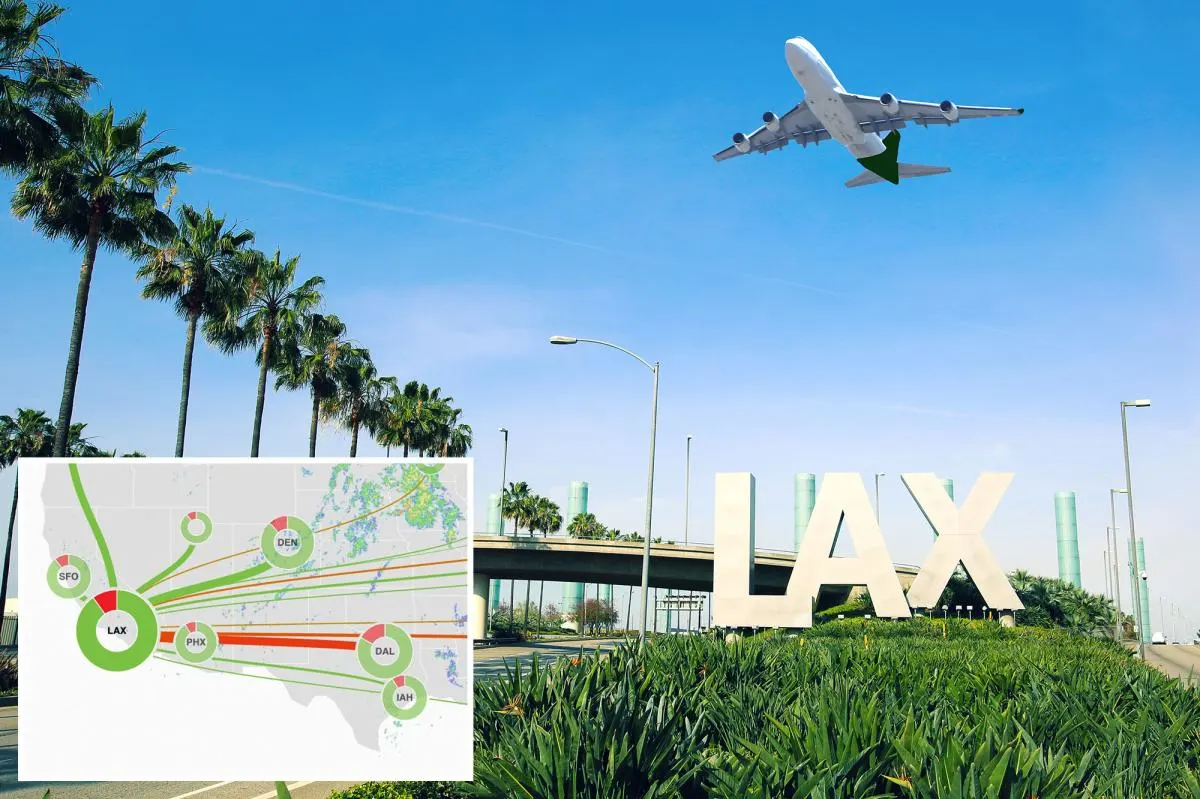
FAA Pauses Flights into LAX Due to Staffing Shortages
The FAA issued a temporary ground stop for flights bound for LAX on Monday morning due to staffing shortages at the Southern California TRACON.

FAA Proposes Ending Overland Supersonic Flight Ban
The FAA has proposed a new performance-based noise standard to replace the 1973 ban on overland supersonic flight, enabling future commercial travel.

DOT Rule Exempts Airlines From Cyberattack Delay Costs
Starting October 19, 2026, the DOT will allow airlines to withhold meal and hotel vouchers for delays caused by cyberattacks and nine other events.

Wizz Air, Ryanair Demand NATS Reform After ATC Failure
Wizz Air and Ryanair are calling for urgent NATS reform after a September 8 system failure caused over 1,000 flight cancellations across the UK.