FAA Proposes AD for Airbus EC120B & AS350 Flotation Systems


The FAA has proposed an airworthiness directive for Airbus EC120B and AS350 helicopters to address an unsafe emergency flotation system condition.
Key Takeaways
- •Proposes an Airworthiness Directive for Airbus EC120B and AS350 helicopters.
- •Addresses an unsafe condition in the emergency flotation system to prevent capsizing.
- •Impacts a combined active fleet of nearly 5,000 helicopters worldwide.
- •Initiates a public comment period before a final, legally binding rule is issued.
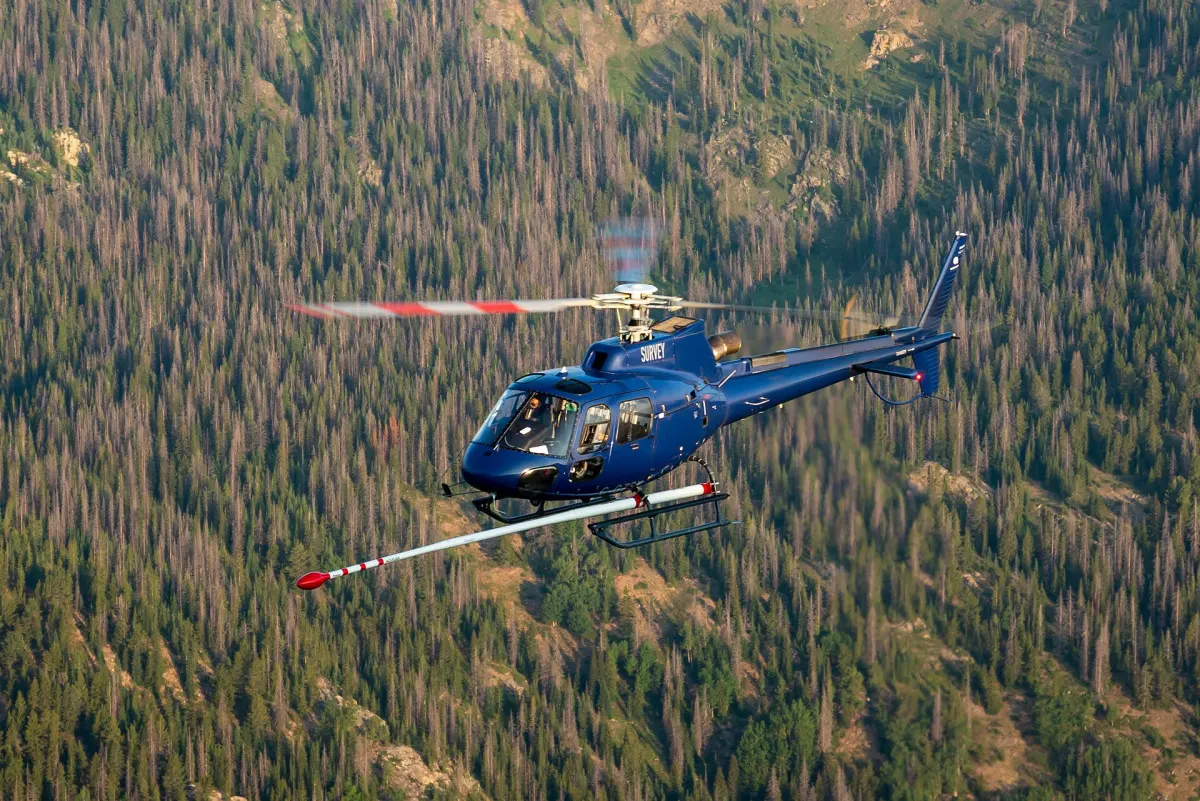
The Federal Aviation Administration (FAA) has issued a Notice of Proposed Rulemaking (NPRM) for a new Airworthiness Directive (AD) that would affect certain Airbus Helicopters models. The proposal targets an unsafe condition related to the emergency flotation system on the EC120B (now H120) and AS350 (now H125) series helicopters. This FAA airworthiness directive is a proactive measure to ensure helicopter operational safety during over-water flights.
The proposed rule addresses a critical safety concern where the emergency flotation system, if not functioning correctly, could lead to the helicopter capsizing after an emergency water landing, or ditching. Such an event would significantly hinder occupant evacuation and reduce survivability. The action highlights the regulator's focus on aviation safety rulemaking and ensuring the continued airworthiness of popular, long-serving aircraft fleets operating in challenging environments.
Scope of the Affected Fleet
The proposed AD impacts two widely used single-engine light utility helicopter families. The Airbus H125/AS350 series, known as the AStar in North America, has been in production since 1975. According to data from Business Air News, the active worldwide fleet of this series stands at 4,162 helicopters. The EC120B, produced between 1995 and 2017, has also seen significant global adoption, with over 700 helicopters delivered in more than 50 countries.
These helicopters are staples in various sectors, including corporate transport, law enforcement, emergency medical services, and tourism. The large and diverse operator base means that compliance with the potential final rule will require a coordinated effort across a significant segment of the light helicopter industry. The longevity of these platforms necessitates ongoing aircraft maintenance regulations and regulatory oversight to address potential age-related or design issues that emerge over decades of service.
The Regulatory Process
An NPRM is the standard first step in the FAA's process for creating or amending federal regulations under 14 CFR Part 39. It serves to inform the public and affected parties of a proposed rule and provides a formal period for public comment. The FAA will review all submitted feedback before deciding on the final language and implementation of the Airworthiness Directive. ADs are legally enforceable regulations, and compliance is mandatory for an aircraft to be considered airworthy.
This process is a core component of proactive safety regulation. The FAA often initiates ADs based on service difficulty reports from operators, accident investigations, or safety recommendations from the original equipment manufacturer (OEM). This approach allows the agency to address potential safety-of-flight issues before they result in accidents. The focus on helicopter ditching system integrity is consistent with broader industry trends aimed at improving survivability in over-water operations, a frequent area of regulatory scrutiny for both helicopters and fixed-wing aircraft.
What Comes Next
Following the publication of the NPRM in the Federal Register, there will be a defined period for owners, operators, maintenance technicians, and other stakeholders to submit comments. These comments can pertain to the technical details of the proposed fix, the estimated cost of compliance, or the proposed timeline for implementation.
After the comment period closes, the FAA will analyze the feedback. The agency may proceed with issuing the final rule as proposed, issue a revised rule based on the comments, or withdraw the proposal. If a final AD is issued, it will specify the required actions, the methods for compliance, and a deadline by which all affected helicopters operating under FAA jurisdiction must complete the mandated inspections or modifications. Operators will need to factor the cost and downtime associated with compliance into their maintenance schedules and budgets.
Why This Matters
This proposed directive underscores the continuous lifecycle of aviation safety management, where regulators actively monitor in-service fleets for emerging risks. For operators of the nearly 5,000 affected helicopters, it signals a forthcoming mandatory action that will require investment in maintenance and parts to ensure aviation regulatory compliance. The focus on flotation systems reinforces the high standard for safety equipment essential for over-water helicopter missions.
For in-depth airline coverage and commercial aviation news, omniflights.com delivers timely industry insights. Follow aviation sustainability efforts, emissions research, and green initiatives in the Environmental section at omniflights.com/environmental.

Written by Ujjwal Sukhwani
Aviation News Editor & Industry Analyst delivering clear coverage for a worldwide audience. Covers flight operations, safety regulations, and market trends with expert analysis.
Visit ProfileYou Might Also Like

FAA Mandates Inspections for Nearly 2,000 Boeing 737NG Jets
FAA Proposes Inspection Rule for 980 Airbus Helicopters
FAA Clears Boeing 737 MAX 10 Software Glitch

FAA Faces $3.5 Billion Shortfall in ATC Modernization

FAA Pauses Flights into LAX Due to Staffing Shortages