FAA Part 108 Rule Moves Closer to BVLOS Drone Operations

Co-Founder & CEOAviation News Editor delivering trusted coverage across the global aviation industry.
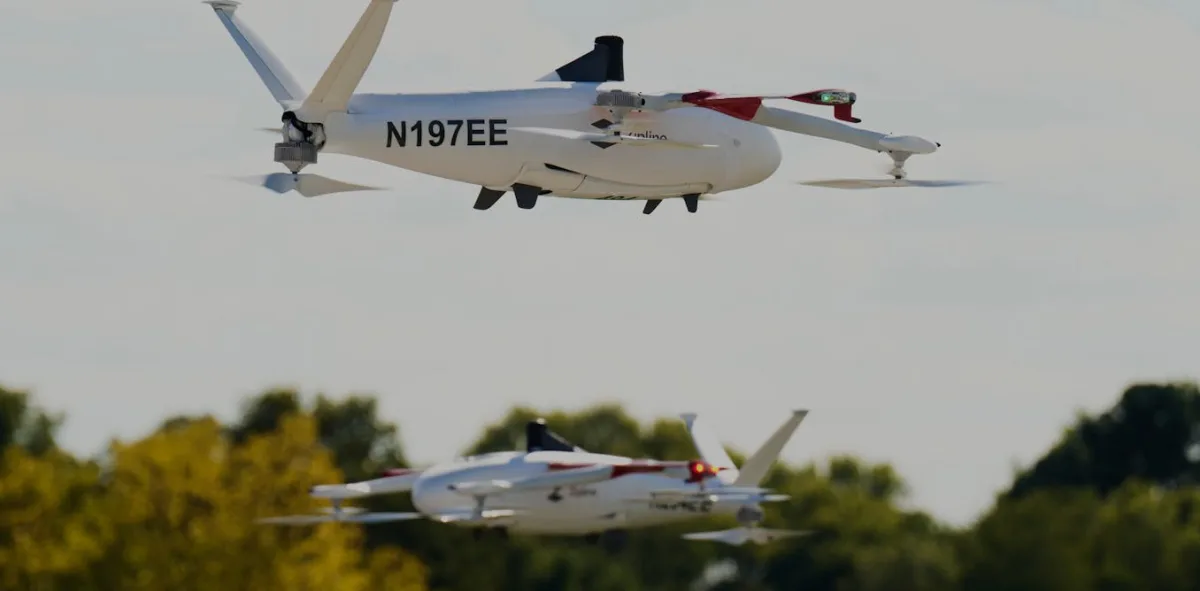
The FAA is finalizing the Part 108 rule to permit routine BVLOS drone operations, replacing current waiver requirements to scale commercial use.
Key Takeaways
- •FAA Part 108 rule will enable routine BVLOS drone operations.
- •Proposed Part 146 will certify data providers for traffic management.
- •Over 1.9 million public comments were submitted to the FAA docket.
- •Final BVLOS regulatory framework is expected by late 2026.
The Shift Toward Routine BVLOS Operations
The Federal Aviation Administration (FAA) is nearing a regulatory milestone that promises to transform the commercial drone sector. The proposed FAA Part 108 rule aims to establish a standardized performance-based framework for Beyond Visual Line of Sight (BVLOS) drone operations. This shift is designed to replace the current, resource-intensive process of obtaining individual waivers under Part 107, a transition that industry advocates argue is essential for scaling commercial drone delivery and infrastructure inspection services. According to Regulations.gov Docket FAA-2025-1908, the agency has received over 1.9 million comments on the proposal, highlighting the intense public and industry interest in the future of low-altitude airspace integration.
Addressing Airspace Safety and Complexity
The regulatory process reached a critical junction in early 2026 when the agency reopened the public comment period from January 28 to February 11. This pause was specifically intended to solicit targeted feedback regarding right-of-way protocols and electronic conspicuity requirements. These elements are central to the safety case for integrating unmanned aircraft into airspace shared with manned general aviation. While the potential for industry growth is significant, the proposal has encountered friction. General aviation pilots have expressed concerns that the new right-of-way rules could unfairly shift the burden of collision avoidance onto manned aircraft, while privacy advocates have raised alarms regarding the potential for increased aerial surveillance.
The Role of Part 146 and Digital Infrastructure
Central to the success of the new framework is the proposed Part 146 regulation, which creates a certification path for Advanced Data-Sharing Providers (ADSPs). These entities will offer automated services, such as traffic deconfliction, to support the broader Unmanned Aircraft System Traffic Management (UTM) ecosystem. By formalizing this digital infrastructure, the FAA intends to ensure that drones can operate safely at scale without requiring a human observer to maintain constant visual contact. This digital-first approach marks a departure from historical reliance on human surveillance, moving toward a system where automated Detect and Avoid (DAA) technology serves as the primary safeguard.
Historical Precedents and Industry Trajectory
The current regulatory evolution mirrors the 2016 implementation of Part 107, which successfully replaced a cumbersome exemption process with a predictable, standardized rule for visual operations. The subsequent 2021 Remote ID final rule further laid the groundwork by mandating digital identification for drones, providing the tracking capabilities necessary for today's BVLOS discussions. The industry now stands at a similar inflection point; moving from case-by-case approvals to a repeatable regulatory model is expected to unlock significant operational efficiencies. As noted in the FAA Unmanned Aircraft Systems Portal, these rules are fundamental to the long-term integration of unmanned systems into the national airspace.
What Comes Next: The Final Rule
The regulatory timeline is driven by a June 2025 executive order that mandated the FAA to finalize the BVLOS framework within a 240-day window. Following the conclusion of the reopened comment period, the agency is expected to publish the final Part 108 rule by mid-to-late 2026. This final release will be the definitive signal for operators to begin transitioning their fleets away from the legacy waiver model. Stakeholders, particularly in the logistics and inspection sectors, are watching closely to see how the final language balances the demands for operational flexibility against the safety concerns raised by the broader aviation community.
Why This Matters for Commercial Aviation
For commercial operators, the finalization of Part 108 represents the transition from experimental pilot programs to viable, scalable business models. By removing the requirement for visual line of sight, the rule enables long-range delivery and remote infrastructure monitoring that are currently economically unfeasible. For the broader aviation ecosystem, this move signals a permanent change in how low-altitude airspace is managed, prioritizing digital deconfliction over traditional visual separation. The outcome will dictate the competitive landscape for drone services for the next decade.
Frequently Asked Questions
- What is the primary goal of the FAA Part 108 rule?
- The FAA Part 108 rule aims to establish a standardized, performance-based regulatory framework for Beyond Visual Line of Sight drone operations. This transition is intended to replace the current, time-consuming waiver process, allowing for scalable commercial drone applications.
- How will Part 146 support drone operations?
- Part 146 proposes a certification path for Advanced Data-Sharing Providers. These providers will offer automated services, such as traffic deconfliction, to support the Unmanned Aircraft System Traffic Management ecosystem and ensure safe, integrated low-altitude operations.
From airline operations to fleet updates, commercial aviation news lives at omniflights.com. Discover how innovation is shaping aviation through aircraft systems, avionics, and digital tools at omniflights.com/technology.
Written by Hardik Vishwakarma
Co-Founder & Aviation News Editor leading initiatives that improve trust and visibility across the global aviation industry. Covers airlines, airports, safety, and emerging technology.
Visit ProfileYou Might Also Like
Discover more aviation news based on similar topics

FAA Proposes Ending Overland Supersonic Flight Ban
The FAA has proposed a new performance-based noise standard to replace the 1973 ban on overland supersonic flight, enabling future commercial travel.

DOT Rule Exempts Airlines From Cyberattack Delay Costs
Starting October 19, 2026, the DOT will allow airlines to withhold meal and hotel vouchers for delays caused by cyberattacks and nine other events.

Wizz Air, Ryanair Demand NATS Reform After ATC Failure
Wizz Air and Ryanair are calling for urgent NATS reform after a September 8 system failure caused over 1,000 flight cancellations across the UK.

US Treasury Iran Sanctions Target 27 Airlines, Mahan Air
The U.S. Treasury sanctioned 36 entities, including 27 Iranian airlines, to disrupt illicit procurement networks used by the Iranian government.

FAA Awards $481M in Airport Infrastructure Grants
The FAA announced $481 million in infrastructure grants across 191 U.S. airports to improve runways, terminals, and overall capacity.

FAA Air Traffic Controllers Protest Pay and Staffing Cuts
The FAA is withholding a 2.8% pay raise for air traffic controllers, exacerbating morale and safety concerns amid a critical nationwide staffing shortage.