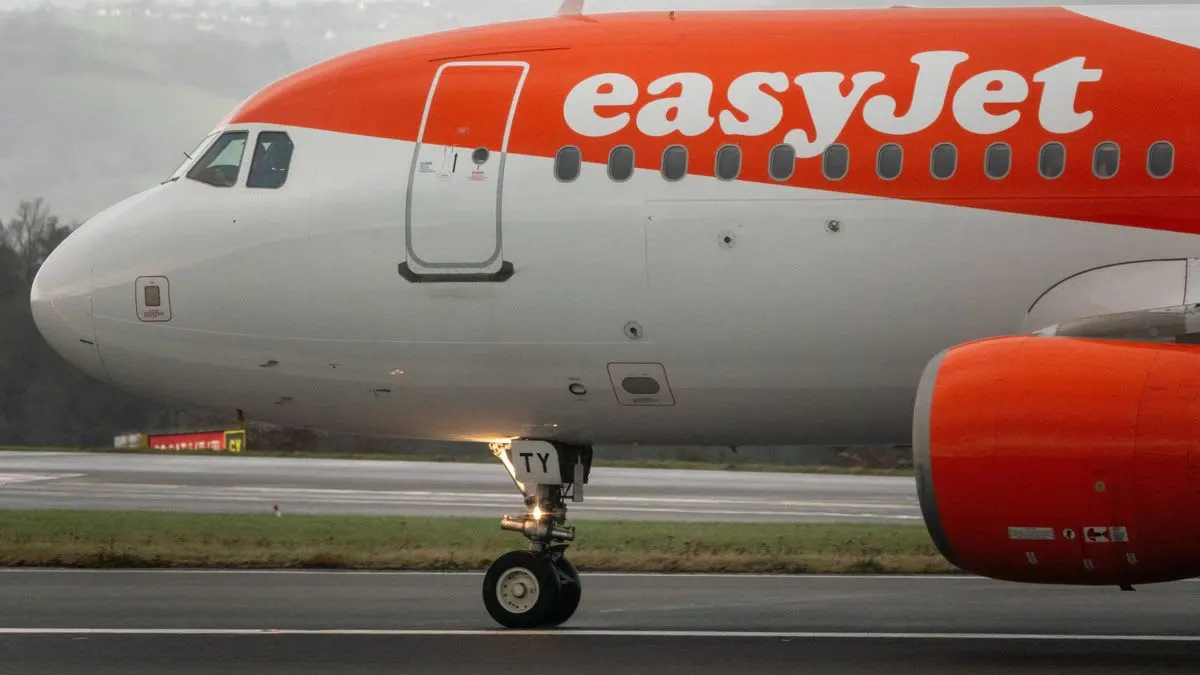
FAA Issues Three ADs for Airbus and ATR Aircraft


The FAA issued three final airworthiness directives to address manufacturing defects on Airbus A320, A350-1000, and ATR 42-500 aircraft.
Key Takeaways
- •FAA issued three final ADs effective September 18, 2026.
- •A320 directive impacts 29 U.S.-registered aircraft.
- •A350-1000 inspection covers 53 specific serial numbers.
- •Mandates address manufacturing quality escapes in Airbus and ATR fleets.
The Federal Aviation Administration (FAA) has issued three new final FAA Airworthiness Directives (ADs) addressing potential structural and mechanical integrity issues across several aircraft platforms. These mandates, published on September 3, 2026, target production-related quality escapes identified in Airbus and Avions de Transport Régional (ATR) fleets. All three directives become effective September 18, 2026.
Airbus A320-Family Landing Gear Inspections
AD 2026-18-03 focuses on the Airbus A320 landing gear support structures, specifically targeting rib 5. The directive mandates repetitive detailed visual inspections or a terminating special detailed inspection to detect fatigue damage caused by tool-mark defects during the bushing removal process. This condition, if not corrected, could lead to fatigue damage of the main landing gear support rib, a safe-life principal structural element, which could result in structural failure and subsequent collapse of the landing gear. According to FAA data, this directive affects 29 aircraft currently on the U.S. registry.
A350-1000 Pylon Fastener Compliance
AD 2026-17-09 mandates an inspection of critical fasteners on the primary structure of both engine pylons for the A350-1000 pylon fasteners. The action is required due to missing chamfers identified during the manufacturing process. The directive covers 53 specific manufacturer serial numbers of the Airbus A350-1041 variant. Operators must ensure these fasteners are verified to prevent long-term structural degradation.
ATR 42-500 Cargo Ventilation Tests
AD 2026-18-01 introduces new maintenance limitations for cargo compartment tests on ATR 42-500s. The regulation requires repetitive operational tests of the cargo-compartment ventilation electrical shut-off valves to ensure continued airworthiness. This directive reflects ongoing efforts to maintain system reliability in regional turboprop operations.
Manufacturing Quality and Regulatory Trends
These directives highlight a broader industry trend of increased regulatory scrutiny regarding manufacturing quality escapes. Unlike in-service operational wear, these defects—such as improper bushing removal techniques on the A320 and missing fastener chamfers on the A350—originate during the production phase. Historically, the FAA has addressed similar issues through targeted mandates. In November 2020, the FAA issued AD 2020-0165 for A320 nose landing gear main fittings to address sub-surface cavities, a precedent that underscores the agency’s commitment to addressing production-related structural risks before they manifest as in-service failures.
What Comes Next: Compliance and Implementation
Operators must prepare for the compliance deadlines set by the Federal Aviation Administration. All three directives, AD 2026-18-03, AD 2026-17-09, and AD 2026-18-01, reach their effective date on September 18, 2026. For U.S. A320-family operators, this involves scheduling repetitive detailed visual inspections within specified flight cycle or hour thresholds. Similarly, ATR 42-500 operators must update their maintenance programs to incorporate the required operational testing for ventilation valves.
Why This Matters for Fleet Maintenance
For Airbus and its aerostructures suppliers, these directives necessitate a rigorous review of production quality control processes to prevent future escapes. The impact on operators is categorized as medium for A320 and A350 fleets, requiring immediate maintenance scheduling to ensure compliance. For the broader aviation industry, these actions serve as a reminder that structural integrity remains a primary focus for regulators, particularly when manufacturing discrepancies are identified in principal structural elements.
Frequently Asked Questions
- What is the primary cause of the A320-family main landing gear structural issue?
- The FAA identified that tool-mark damage occurred during the bushing removal process, which could lead to fatigue damage on the main landing gear support rib 5.
- When do the new FAA airworthiness directives take effect?
- All three directives, including those for the A320-family, A350-1000, and ATR 42-500, become effective on September 18, 2026.
omniflights.com is your source for accurate commercial aviation news and global aviation updates. For reporting on UAP sightings, investigations, and aviation-related encounters, see the UAPs section at omniflights.com/uaps.

Written by Shashank Shukla
Co-Founder & CTO leading the engineering and AI systems behind Omni Flights. Covers aviation technology, flight safety, aircraft manufacturing, and emerging aerospace developments.
Visit ProfileYou Might Also Like

Israel Bans United Airlines Pilot Over Pro-Iran Posts

Attack on Saudi King Fahd International Airport

LATAM Airlines A320 Engine Fire During Takeoff in Peru

Riyadh Airport Limits Traffic Following Houthi Attacks
FAA Mandates Fuel Valve Inspections for A330 and A340