FAA, EASA Discuss Future Aviation Regulations at Verticon 2026

Aviation News Editor & Industry AnalystAviation News Editor & Industry Analyst delivering clear coverage for a worldwide audience.
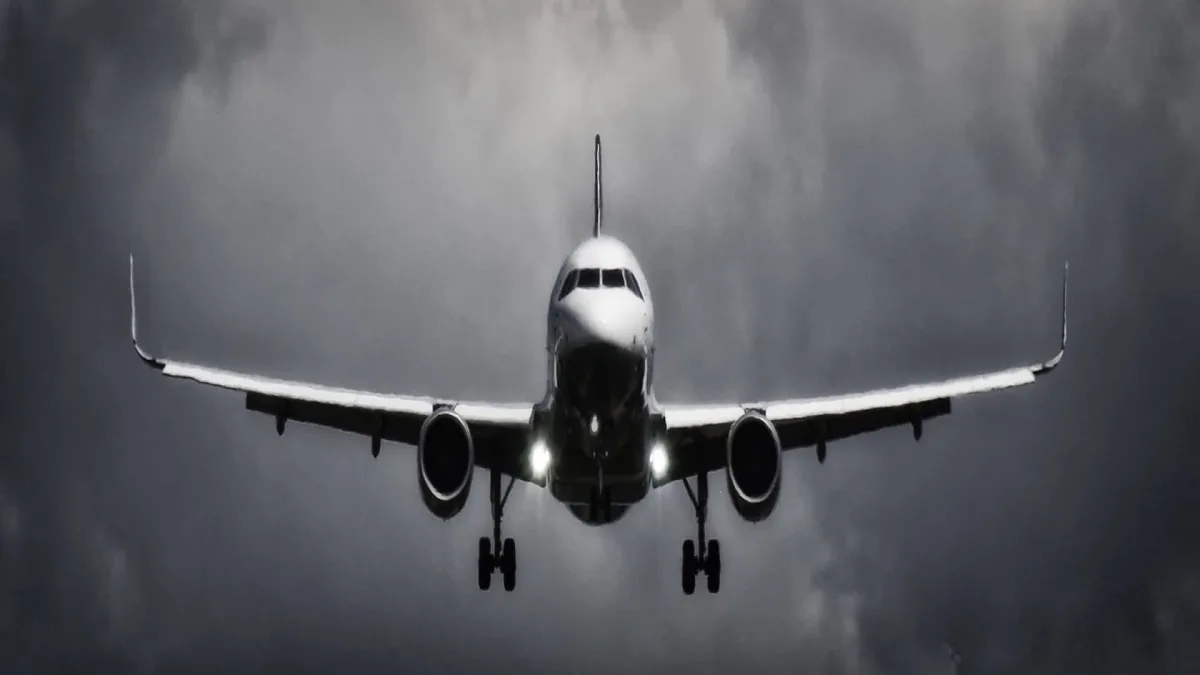
FAA and EASA leaders met at Verticon 2026 to discuss harmonizing regulations for advanced air mobility and modernizing the national airspace system.
Key Takeaways
- •Discussed harmonizing standards for Advanced Air Mobility (AAM) aircraft.
- •Focused on modernizing and integrating the U.S. and European airspace systems.
- •Signaled proactive regulatory collaboration to create a unified framework for emerging tech.
The leaders of the Federal Aviation Administration (FAA) and the European Union Aviation Safety Agency (EASA) convened at the Verticon 2026 conference to address the future of global aviation regulations. The high-level discussion focused on establishing a harmonized framework for emerging technologies, particularly in the Advanced Air Mobility sector.
This collaborative effort between the world's two most influential aviation safety bodies is a critical step toward creating a unified international market for next-generation aircraft. For the burgeoning Advanced Air Mobility (AAM) industry, regulatory alignment between the U.S. and Europe is essential for streamlining aircraft certification, reducing development costs for manufacturers, and ensuring seamless cross-border operations in the future. The outcome of these discussions will significantly shape the investment landscape and operational viability of electric vertical take-off and landing (eVTOL) aircraft and other novel aviation platforms.
Harmonizing Advanced Air Mobility (AAM) Standards
A central theme of the session was the urgent need for common standards governing AAM. The dialogue reportedly covered the entire lifecycle of AAM operations, from aircraft design and production to operational rules. Key areas under consideration include a unified approach to aircraft type certification. Manufacturers developing eVTOL vehicles face significant financial and engineering burdens if they must meet two separate and potentially conflicting sets of airworthiness criteria from the FAA and EASA.
The discussion also touched upon harmonizing requirements for pilot training and licensing for these new types of aircraft, which often feature novel control systems and high levels of automation. Furthermore, establishing consistent safety standards for vertiports—the ground infrastructure required for AAM operations—is seen as crucial for public acceptance and safe integration into urban environments. Without a common regulatory foundation, the AAM sector risks fragmentation, which could stifle innovation and delay the widespread adoption of this new mode of transport.
Modernizing Airspace Management
Parallel to the AAM discussion, the leaders addressed the ongoing modernization of the national airspace system (NAS). Both the U.S. and Europe are engaged in massive, multi-decade projects to upgrade their air traffic management (ATM) infrastructure—the FAA's NextGen program and Europe's Single European Sky ATM Research (SESAR) initiative. The conversation at Verticon 2026 highlighted the importance of ensuring these modernized systems are interoperable and capable of safely managing a more complex and diverse airspace.
The integration of AAM vehicles, unmanned aircraft systems (UAS), and conventional air traffic presents a significant challenge for legacy ATM systems. The modernization efforts aim to transition from ground-based radar to satellite-based surveillance (ADS-B), implement digital datalink communications, and leverage data analytics for more efficient routing. The FAA and EASA's collaboration is vital to ensure that new AAM traffic management concepts, often referred to as U-space or Unmanned Aircraft System Traffic Management (UTM), can seamlessly interface with the broader ATM network, preventing conflicts and maintaining safety for all airspace users.
Technical Analysis
The joint appearance at Verticon 2026 indicates a strategic shift from reactive to proactive regulatory development. Historically, international aviation standards have often been developed in response to new technologies after they have matured. However, with the rapid pace of innovation in AAM and electric propulsion, the FAA and EASA are signaling an intent to build the regulatory framework in parallel with technological advancement. This approach is critical to de-risking the massive private investment flowing into the sector.
The primary technical challenge is creating a performance-based regulatory system that is flexible enough to accommodate a wide variety of novel aircraft designs without compromising safety. Unlike the prescriptive rules developed for conventional tube-and-wing aircraft, regulations for AAM must be adaptable to different propulsion systems, levels of automation, and operational concepts. The collaboration between the FAA and EASA aims to leverage shared research and safety data to develop these complex new standards more efficiently, preventing a costly and inefficient divergence in safety philosophies that could ground the industry before it takes off. This follows the successful precedent of bilateral agreements that facilitate the validation of conventional aircraft certifications, a model that has underpinned global aviation manufacturing for decades.
What Comes Next
While the discussion at Verticon 2026 did not produce a formal agreement, it sets the stage for more detailed technical and policy-level collaboration. Industry observers expect the agencies to intensify the work of existing joint committees and potentially establish new working groups specifically focused on AAM certification and airspace integration. The next phase will likely involve the publication of draft rules and guidance materials for public and industry comment, a critical step in the rulemaking process.
A key milestone to watch for will be the release of a joint roadmap or statement of intent outlining specific areas for harmonization and projected timelines. Furthermore, the agencies are expected to continue their close collaboration on validating the first wave of AAM aircraft seeking type certification. The success of these initial validation processes will serve as a crucial test case for the long-term viability of a harmonized U.S.-E.U. regulatory framework.
Why This Matters
This high-level dialogue between the FAA and EASA is more than a routine meeting; it is a foundational moment for the future of air transportation. By publicly committing to a path of harmonization, the regulators are providing the clarity and predictability that manufacturers, investors, and operators need to move forward with confidence. A unified regulatory approach will not only accelerate the safe deployment of AAM but also reinforce the global leadership of the U.S. and Europe in setting aviation safety standards for the 21st century.
omniflights.com provides comprehensive commercial aviation news covering airlines, aircraft, and airports. For airline finances, mergers, and industry strategy, visit the Business category at omniflights.com/business.
Written by Ujjwal Sukhwani
Aviation News Editor & Industry Analyst delivering clear coverage for a worldwide audience. Covers flight operations, safety regulations, and market trends with expert analysis.
Visit ProfileYou Might Also Like
Discover more aviation news based on similar topics
FAA Proposes Ending Overland Supersonic Flight Ban
The FAA has proposed a new performance-based noise standard to replace the 1973 ban on overland supersonic flight, enabling future commercial travel.

DOT Rule Exempts Airlines From Cyberattack Delay Costs
Starting October 19, 2026, the DOT will allow airlines to withhold meal and hotel vouchers for delays caused by cyberattacks and nine other events.

Wizz Air, Ryanair Demand NATS Reform After ATC Failure
Wizz Air and Ryanair are calling for urgent NATS reform after a September 8 system failure caused over 1,000 flight cancellations across the UK.

US Treasury Iran Sanctions Target 27 Airlines, Mahan Air
The U.S. Treasury sanctioned 36 entities, including 27 Iranian airlines, to disrupt illicit procurement networks used by the Iranian government.
FAA Awards $481M in Airport Infrastructure Grants
The FAA announced $481 million in infrastructure grants across 191 U.S. airports to improve runways, terminals, and overall capacity.
FAA Air Traffic Controllers Protest Pay and Staffing Cuts
The FAA is withholding a 2.8% pay raise for air traffic controllers, exacerbating morale and safety concerns amid a critical nationwide staffing shortage.