FAA Cuts SFO Arrival Rate, Bans Side-by-Side Landings Amid Runway Work

Co-Founder & CEOAviation News Editor delivering trusted coverage across the global aviation industry.
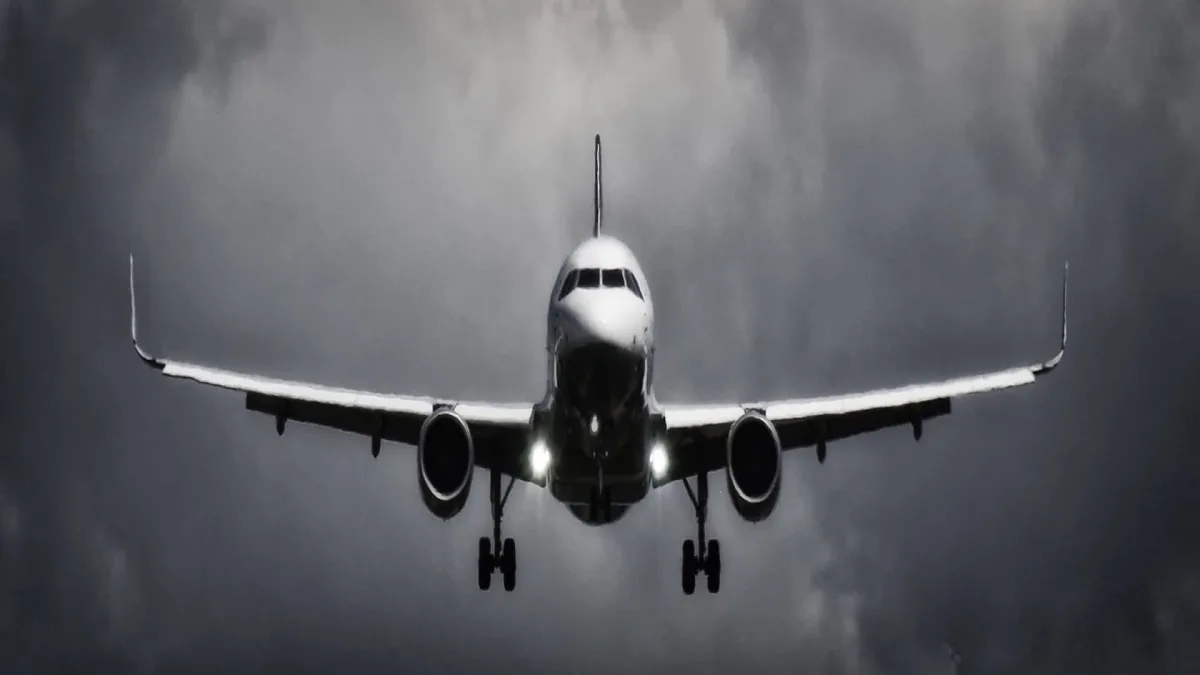
The FAA has imposed new landing restrictions at SFO, cutting the arrival rate by 33% and causing significant flight delays during runway construction.
Key Takeaways
- •Cuts SFO's maximum arrival rate by 33%, from 54 to 36 flights per hour.
- •Bans side-by-side visual approaches permanently due to new FAA safety rules.
- •Combines new restrictions with a six-month repaving of Runway 1R/19L.
- •Expects up to 25% of arriving flights to face delays of 30 minutes or more.
The Federal Aviation Administration (FAA) has imposed new safety restrictions at San Francisco International Airport (SFO), permanently banning side-by-side visual approaches and reducing the airport's maximum arrival capacity. This regulatory change, combined with a major runway repaving project, cuts the arrival rate by 33%, from 54 to 36 flights per hour, signaling significant and sustained flight delays at the major U.S. hub.
The operational changes stem from two converging factors: a new FAA safety directive and a long-planned infrastructure project. The FAA has prohibited visual parallel, or side-by-side, approaches even in clear weather, forcing aircraft to use staggered approaches to maintain greater separation. This new procedure alone accounts for a permanent reduction in SFO's peak capacity. Compounding this is the six-month closure of Runway 1R/19L for a repaving project, which began on March 30, 2026. SFO officials now project that up to 25% of arriving flights will experience delays of at least 30 minutes throughout the construction period.
Runway Project and FAA Mandate
The infrastructure work on Runway 1R/19L is a $180 million repaving project scheduled to last until October 2, 2026. According to an SFO press release, the FAA is funding $92.1 million of the cost. While runway closures for maintenance are routine, the simultaneous implementation of the FAA's new aircraft separation policy creates a more severe and lasting impact on airport operations.
The FAA's decision reflects heightened regulatory scrutiny on visual separation and runway incursion risks nationwide. The agency recently suspended visual separation between airplanes and helicopters near major airports following a fatal mid-air collision in January 2025. The new SFO rule aligns with this safety-first approach.
An FAA spokesperson stated, "San Francisco International Airport (SFO) will experience some flight delays due to a runway repaving project and an FAA safety measure... It requires staggered approaches, with one aircraft offset from the aircraft on the parallel runway." Airport officials are working to mitigate the impact. "The FAA has made us aware of this reduced arrival rate... We are working with the FAA on ways to improve the arrival rate at SFO," said Doug Yakel, a spokesperson for SFO.
Airline and Passenger Impact
The capacity reduction will disproportionately affect United Airlines, the dominant carrier at SFO, which accounts for approximately 50% of passenger traffic. The airline faces significant network disruptions, increased block times for flights arriving at its hub, and the potential need to trim schedules to accommodate the lower arrival rate. Alaska Airlines, with about 10% of the market share, will also experience rolling delays, particularly during peak arrival times.
For travelers, the impact will be most acute during peak hours, including the 9 AM arrival bank and the evening rush between 8 PM and 9 PM. The reduction in flow means that ground delay programs will likely become more frequent, where aircraft are held at their departure airports to prevent congestion at SFO. This will have a cascading effect on airports that feed traffic into San Francisco, causing gate congestion and delays at inland hubs.
Historical Context and Precedents
This is not the first time SFO has managed a major runway closure. In the first half of 2024, the repaving of Runway 28L also led to a temporary reduction in capacity and noticeable flight delays. However, that project occurred before the FAA's permanent ban on side-by-side approaches. The 2024 event serves as a baseline, demonstrating the operational impact of a runway closure alone. The current situation is more severe because the underlying capacity of the airport is now structurally lower, regardless of runway availability.
The FAA's move is part of a broader industry trend prioritizing aircraft separation standards over maximizing airport throughput. This development indicates a potential shift in how the agency balances efficiency with safety, suggesting that similar capacity adjustments could be considered at other airports with closely spaced parallel runways.
What Comes Next
The current phase of significant disruption is tied directly to the runway construction timeline. SFO has confirmed that Runway 1R is expected to reopen on October 2, 2026. While this will restore the airport's full runway complement, the lower arrival rate of 36 flights per hour will remain in effect due to the new FAA approach procedures.
The FAA is expected to review SFO's arrival rates in late 2026, after the runway project is complete and air traffic controllers have adapted to the new staggered approach patterns. However, any potential increase in the arrival rate is not guaranteed and would be subject to a rigorous safety analysis.
Why This Matters
The FAA's decision to permanently lower SFO's arrival capacity marks a significant operational shift for one of the nation's busiest airports. It underscores a regulatory trend where safety margins are being widened at the expense of peak-hour efficiency. For airlines, this means re-evaluating hub schedules and managing endemic delays, while for passengers, it signals a new, less predictable travel experience through the Bay Area for the foreseeable future, even after construction ends.
Visit omniflights.com for the latest commercial aviation news and airline industry updates. For detailed airline coverage, route changes, and fleet moves, explore the Airlines section at omniflights.com/airlines.
Written by Hardik Vishwakarma
Co-Founder & Aviation News Editor leading initiatives that improve trust and visibility across the global aviation industry. Covers airlines, airports, safety, and emerging technology.
Visit ProfileYou Might Also Like
Discover more aviation news based on similar topics
FAA Clears Boeing 737 MAX 10 Software Glitch
The FAA determined a software glitch in 737 MAX flight computers poses no safety risk, clearing a path for MAX 10 certification by late 2026.

FAA Faces $3.5 Billion Shortfall in ATC Modernization
FAA Administrator Bryan Bedford reported a $3.5 billion shortfall for the Brand New Air Traffic Control System, totaling $16 billion for Phase One.
FAA Pauses Flights into LAX Due to Staffing Shortages
The FAA issued a temporary ground stop for flights bound for LAX on Monday morning due to staffing shortages at the Southern California TRACON.
FAA Proposes Ending Overland Supersonic Flight Ban
The FAA has proposed a new performance-based noise standard to replace the 1973 ban on overland supersonic flight, enabling future commercial travel.

DOT Rule Exempts Airlines From Cyberattack Delay Costs
Starting October 19, 2026, the DOT will allow airlines to withhold meal and hotel vouchers for delays caused by cyberattacks and nine other events.

Wizz Air, Ryanair Demand NATS Reform After ATC Failure
Wizz Air and Ryanair are calling for urgent NATS reform after a September 8 system failure caused over 1,000 flight cancellations across the UK.