FAA Clears Boeing 737 MAX Software Issue, Resumes MAX 10

Co-Founder & CTOCo-Founder & CTO driving the technology and data systems behind Omni Flights.
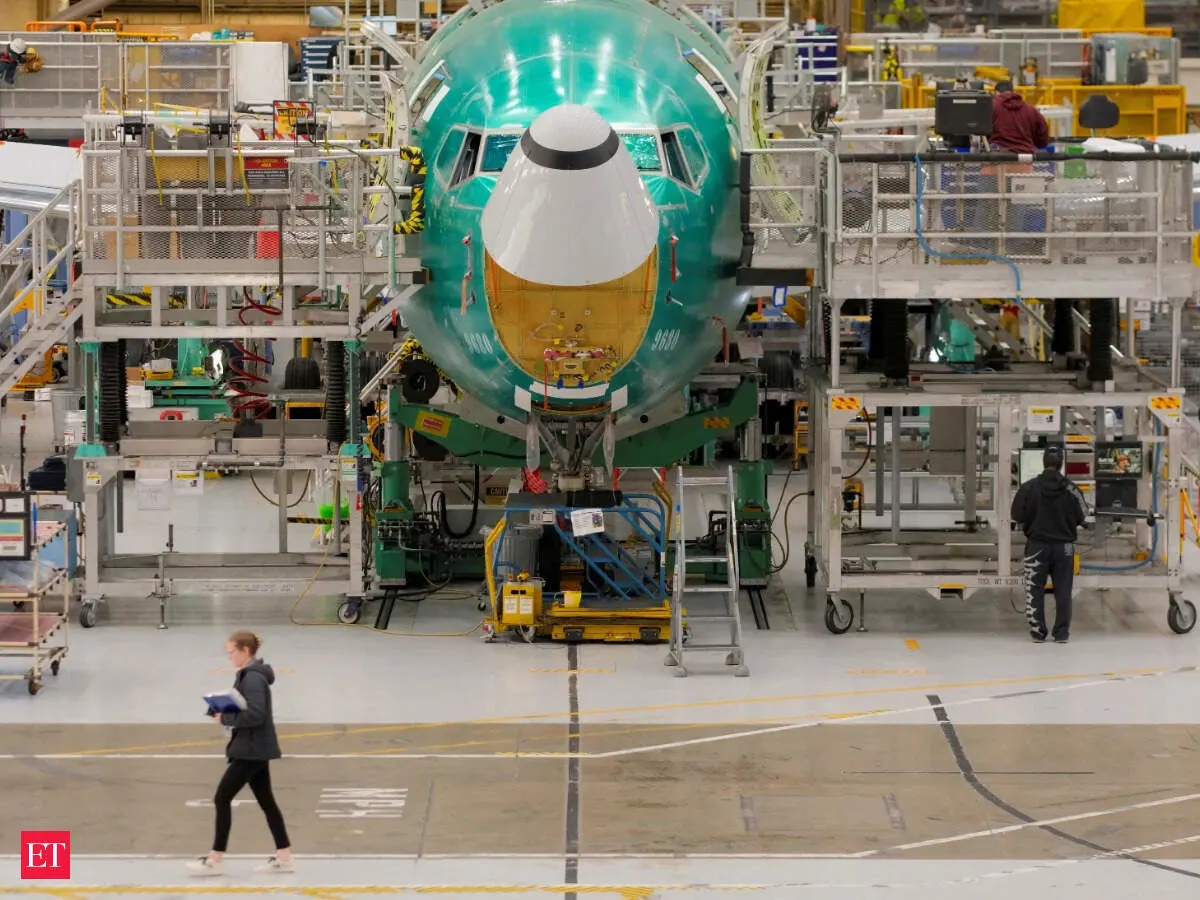
The FAA cleared a Boeing 737 MAX software issue after a safety review, allowing the 737 MAX 10 certification process to resume immediately.
Key Takeaways
- •FAA cleared the 737 MAX software issue after a CARB review.
- •The 737 MAX 10 certification process has resumed following the clearance.
- •VNAV systems may disengage during modified go-arounds in U14 software versions.
- •FAA will issue an SAIB in October 2026 to guide flight crews.
FAA Review Clears 737 MAX Software
The Federal Aviation Administration (FAA) has concluded a safety assessment regarding a Boeing 737 MAX software issue that previously prompted a pause in the certification of the 737 MAX 10 variant. Following a session of the Corrective Action Review Board (CARB) on October 2, 2026, regulators determined that the identified anomaly does not constitute a safety-of-flight risk. This decision enables the manufacturer to move forward with the remaining certification milestones for its largest narrow-body aircraft.
Understanding the VNAV Anomaly
The technical concern centers on the Flight Management Computer (FMC), specifically versions U14 and U14.1. The software glitch can cause the Vertical Navigation (VNAV) system to disengage during a go-around maneuver if the flight crew modifies the missed approach route. While this behavior creates an unexpected automation change for flight crews, the FAA emphasized that pilots retain full control of the aircraft throughout the maneuver.
According to Boeing internal safety data, the issue was first identified by an airline operator in November 2024. The FAA noted that cockpit indications during the event remain clear and unambiguous, which was a primary factor in the board's decision to classify the glitch as a manageable operational characteristic rather than a critical safety failure.
Operational Impact and Industry Response
The regulatory pause on the 737 MAX 10 certification had significant implications for major customers, including United Airlines and Ryanair, who rely on the variant for planned capacity expansion. While the FAA has cleared the software, the industry remains in a period of heightened caution. Several carriers, including United Airlines and Southwest Airlines, proactively refused to accept new aircraft deliveries equipped with the U14 or U14.1 software, opting to wait for older, verified versions until a permanent software patch is fully integrated.
Technical Comparison: FMC Software
| Metric | U14/U14.1 Software | U13 and Earlier Software |
|---|---|---|
| VNAV Status (Modified Go-Around) | Disengages | Remains engaged |
| Safety Classification | Non-critical anomaly | Standard operation |
Regulatory Context and Future Steps
US Transportation Secretary Sean Duffy compared the software anomaly to a routine smartphone update, reinforcing the agency's stance that the issue does not necessitate a fleet-wide grounding. To ensure flight crews are prepared for the VNAV disengagement scenario, the FAA plans to issue a Special Airworthiness Information Bulletin (SAIB) in October 2026. This bulletin will provide guidance on recognizing and managing the automated system's behavior during missed approaches.
This development follows the historical precedent of the Boeing 737 MAX MCAS (Maneuvering Characteristics Augmentation System) grounding in 2019. The two-year global grounding resulted in a complete redesign of flight control systems, establishing a pattern of intense regulatory scrutiny for all software-related automation changes. The current FAA approach reflects a shift toward conservative oversight, where even non-critical glitches trigger formal review boards to prevent potential compounding risks.
Why This Matters for Certification
For Boeing Commercial Airplanes, the CARB clearance removes a critical regulatory roadblock that threatened to push the 737 MAX 10 timeline into 2027. By resolving the software question, the program can now focus on final flight test requirements. For the broader aviation industry, this incident signals that regulators will continue to apply rigorous, transparent oversight to automated flight systems, ensuring that pilot workload remains manageable even as aircraft systems become increasingly integrated.
Frequently Asked Questions
- What software versions are affected by the 737 MAX VNAV issue?
- The software anomaly affects the Boeing 737 MAX Flight Management Computer versions U14 and U14.1.
- Does the VNAV glitch pose a safety risk to the 737 MAX fleet?
- No. The FAA's Corrective Action Review Board determined the issue is not a safety risk because pilots retain full control of the aircraft and cockpit indications remain clear.
Visit omniflights.com for the latest commercial aviation news and airline industry updates. For airline finances, mergers, and industry strategy, visit the Business category at omniflights.com/business.
Written by Shashank Shukla
Co-Founder & CTO leading the engineering and AI systems behind Omni Flights. Covers aviation technology, flight safety, aircraft manufacturing, and emerging aerospace developments.
Visit ProfileYou Might Also Like
Discover more aviation news based on similar topics
Flydubai FZ1073 Hijacker Flagged as Security Risk by Oman
A Flydubai co-pilot accused of attempting to crash flight FZ1073 had been previously barred from flying in Oman due to extremist concerns.
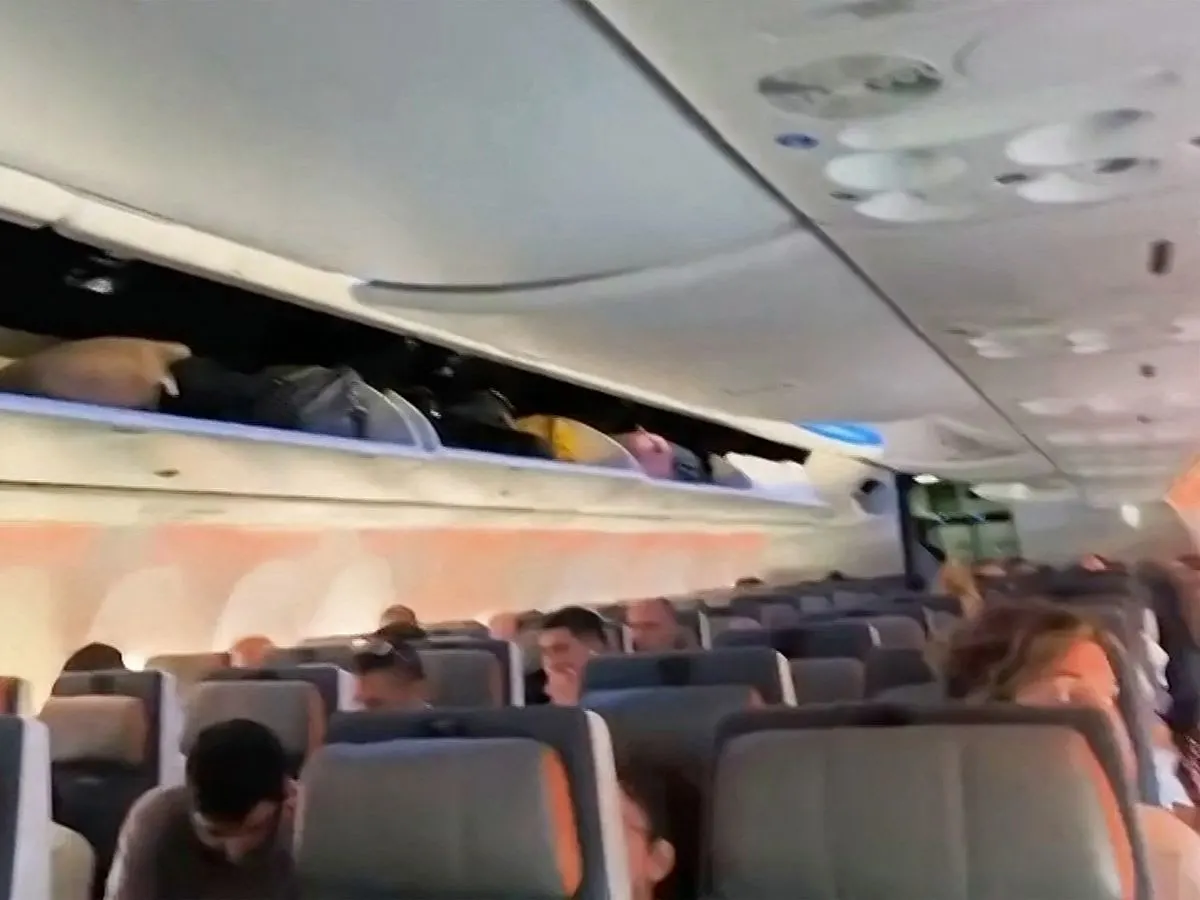
Flydubai Flight 1073 Hijacking Attempt Over Jordan
A Flydubai Flight 1073 co-pilot attacked the captain mid-flight on September 30, 2026, forcing passengers to intervene and stabilize the aircraft.

Families Demand DCA Midair Collision Safety Reforms
Families of 67 victims from the 2025 DCA midair collision are pressing Congress for mandatory ADS-B In technology to prevent future aviation tragedies.

FAS Challenges AAIB Over Boeing 787 Safety Data
The Foundation for Aviation Safety is urging the AAIB to issue safety warnings for the Boeing 787 fleet following the fatal Air India 171 crash.
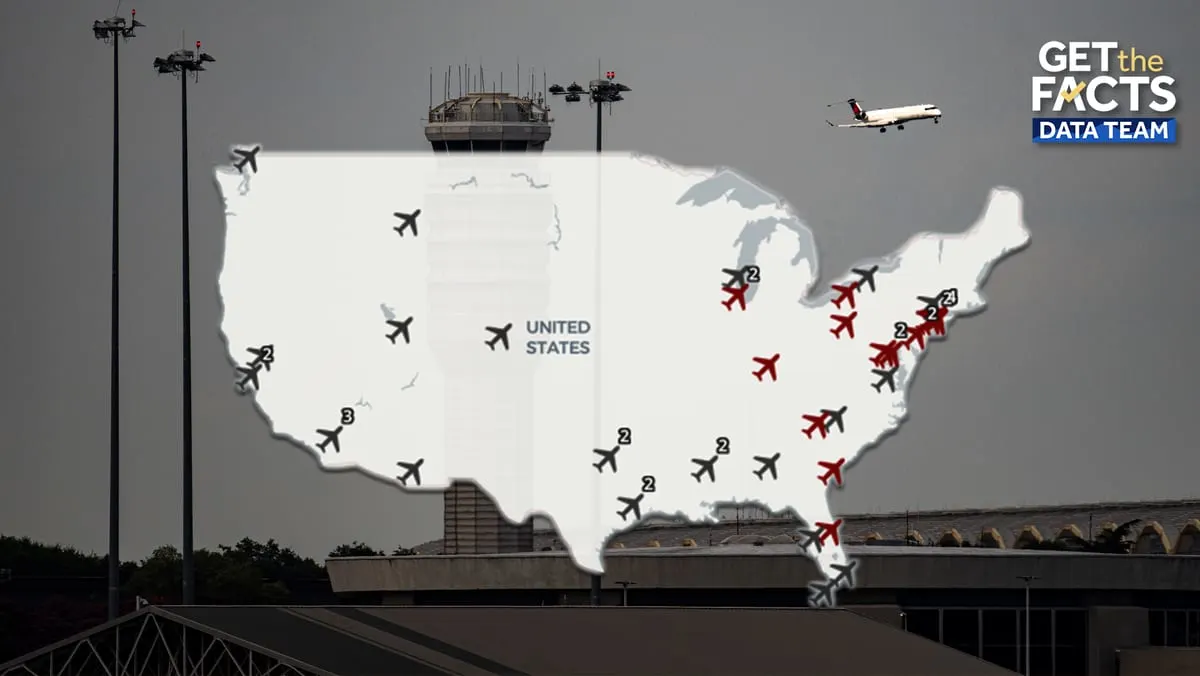
NTSB Safety Recommendations Lag Amid 6 Monthly Near-Misses
Approximately 6 near-miss incidents occur monthly at U.S. airports as 270 NTSB safety recommendations remain unaddressed by federal regulators.
NTSB Rejects FAA Safety Responses After 67-Fatality Crash
The NTSB labeled 11 FAA responses to 2025 DCA mid-air collision recommendations as unacceptable, citing the lack of a mandatory ADS-B In requirement.