FAA Briefly Grounds All JetBlue Flights After System Outage

Aviation News Editor & Industry AnalystAviation News Editor & Industry Analyst delivering clear coverage for a worldwide audience.

JetBlue flights were briefly grounded nationwide at the airline's request after a system outage, causing temporary but widespread operational disruptions.
Key Takeaways
- •Resolved a brief system outage that caused a 40-minute nationwide ground stop on March 10, 2026.
- •Ground stop was initiated at JetBlue's own request to the FAA to manage an internal IT failure.
- •The incident underscores the airline industry's growing vulnerability to technology disruptions.
- •Follows similar IT-related ground stops at other major carriers like Alaska, United, and Delta in recent years.
The Federal Aviation Administration (FAA) initiated a brief, nationwide ground stop for all JetBlue flights early on Tuesday, March 10, 2026, after the airline requested a pause due to an internal system outage. The operational halt, which lasted approximately 40 minutes, highlights the increasing vulnerability of airline operations to technology failures. Normal operations resumed after the airline resolved the unspecified IT issue.
According to an advisory from the FAA's Air Traffic Control System Command Center (ATCSCC), the ground stop was requested by JetBlue and put into effect at 05:30 UTC. The order was lifted at 06:10 UTC. In a statement, JetBlue confirmed the incident, stating, "A brief system outage has been resolved and we have resumed operations." The FAA corroborated this, noting that "Operations are normal after JetBlue asked the FAA to pause flights nationwide overnight because of an internal IT issue."
While the duration was short, the ground stop affected the carrier's entire network, which comprises approximately 290 aircraft. As the seventh-largest airline in North America by passengers carried, even minor disruptions can create cascading delays that ripple through the national airspace system, impacting flight schedules, crew rotations, and passenger connections for several hours.
Understanding the Ground Stop
A ground stop is one of the most direct air traffic management tools used by the FAA. It is an order that prevents aircraft from departing for one or more specific destinations or, in this case, all aircraft belonging to a particular operator. While often associated with severe weather or security events, airlines can also request a ground stop to manage internal crises. By pausing all departures, an airline can prevent its system from being overwhelmed while it troubleshoots issues such as failures in its reservation, dispatch, or crew scheduling software. This proactive measure can prevent a more chaotic situation where aircraft are pushed back from gates without proper flight data or passenger manifests, creating safety and logistical problems.
A Recurring Industry Challenge
The JetBlue incident is the latest in a series of technology-related disruptions that have plagued the airline industry. As carriers rely more heavily on complex, interconnected IT systems for everything from ticketing to flight operations, they become more susceptible to single points of failure. In recent years, several major U.S. carriers have experienced similar ground stops due to technology glitches. Alaska Airlines and United Airlines have both faced outages that forced them to halt departures.
A more widespread event occurred in 2024 when a software update from cybersecurity firm CrowdStrike inadvertently caused a global IT outage, affecting numerous carriers including Delta Air Lines, United, and American Airlines. That incident underscored the industry's deep reliance on third-party software vendors and the systemic risks involved.
The financial and operational consequences of these failures can be severe. Southwest Airlines reported that its operational meltdown during the 2022 winter storm, which was exacerbated by outdated crew scheduling software, cost the company approximately $800 million. Following a separate 2024 outage, Delta Air Lines filed a lawsuit against its IT provider, alleging the failure resulted in over half a billion dollars in losses from flight cancellations and passenger compensation.
Why This Matters
For an airline of JetBlue's scale, maintaining robust and redundant IT infrastructure is critical to operational integrity. This brief outage serves as a stark reminder that even temporary system failures can have significant network-wide impacts. As airlines continue to digitize their operations, investments in technology resilience and contingency planning become paramount. The incident reinforces the need for industry-wide best practices to mitigate the risks associated with technological dependencies, ensuring that both passenger convenience and the efficiency of the national airspace are protected from preventable digital disruptions.
From airline operations to fleet updates, commercial aviation news lives at omniflights.com. For detailed airline coverage, route changes, and fleet moves, explore the Airlines section at omniflights.com/airlines.
Written by Ujjwal Sukhwani
Aviation News Editor & Industry Analyst delivering clear coverage for a worldwide audience. Covers flight operations, safety regulations, and market trends with expert analysis.
Visit ProfileYou Might Also Like
Discover more aviation news based on similar topics
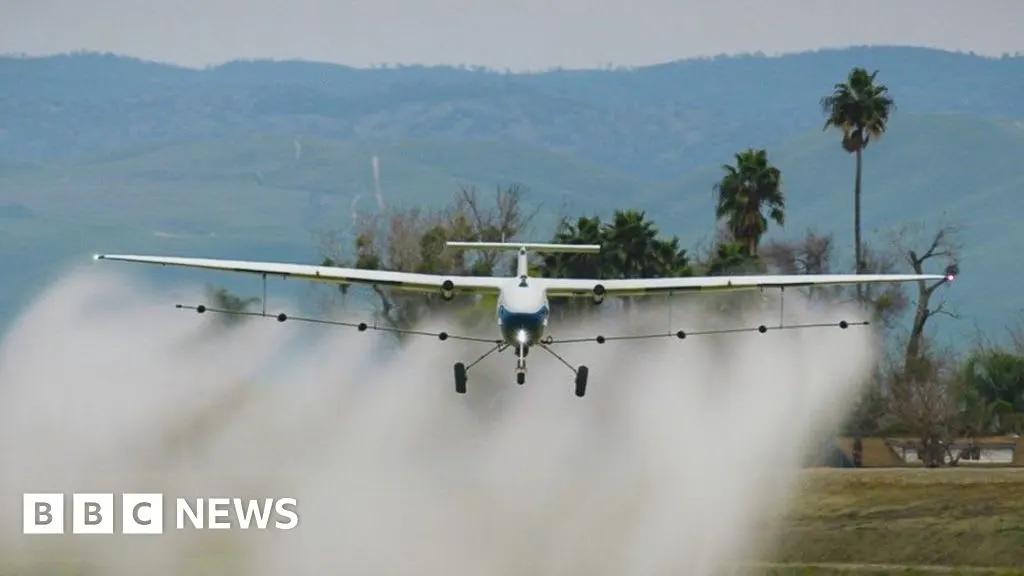
Autonomous Fixed-Wing Aircraft Development Gains Momentum
Start-ups are advancing autonomous fixed-wing aircraft for agricultural and cargo tasks, aiming to prove safety before pursuing passenger operations.

Boeing 787-9 Completes Short Inlet Tests in Montana
Boeing completed 52 hours of flight tests on a 787-9 with an experimental 30% shorter engine inlet to evaluate noise and fuel efficiency.

Airbus A321neo to Test Folding Wings of Tomorrow Project
Airbus launched a three-year flight-test campaign using an A321neo to evaluate folding wings that extend up to five meters.
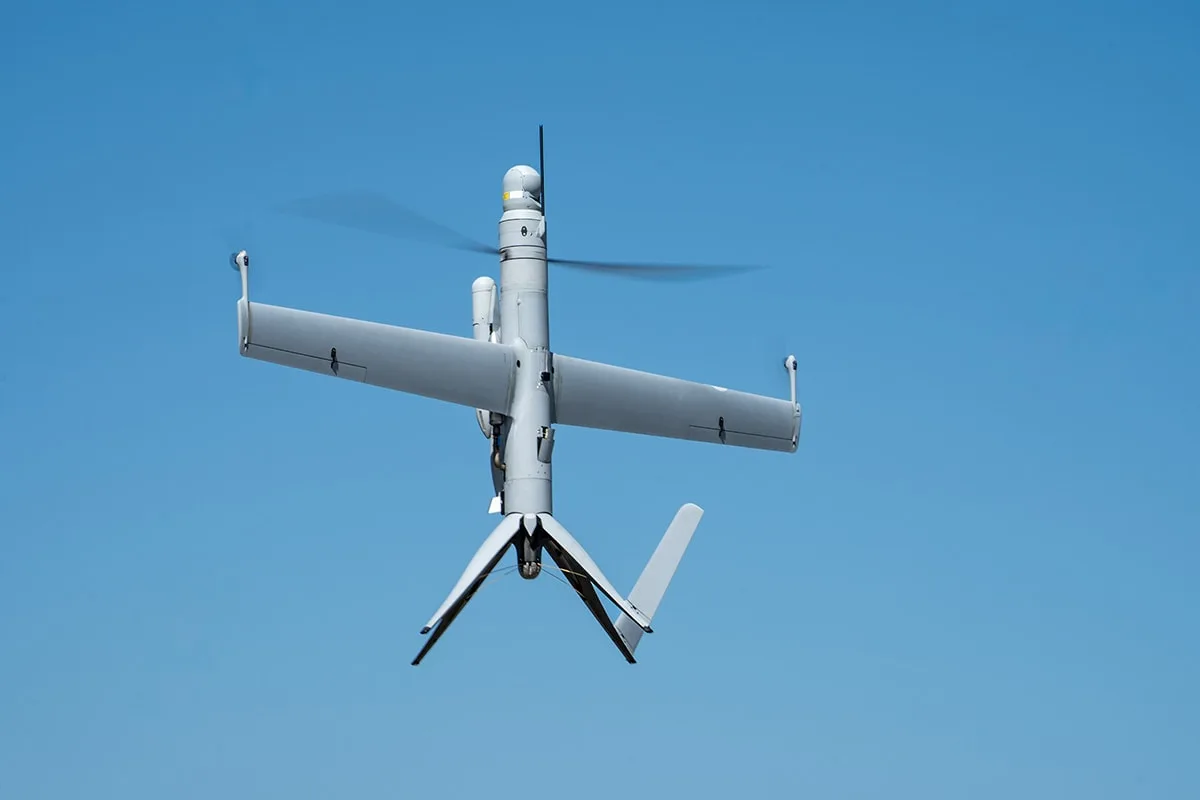
Voyageur Orders Canada's First Airbus U030 Flexrotor
Voyageur Aviation ordered Canada's first Airbus U030 Flexrotor, a 25 kg tactical drone, to expand its maritime and Arctic surveillance capabilities.
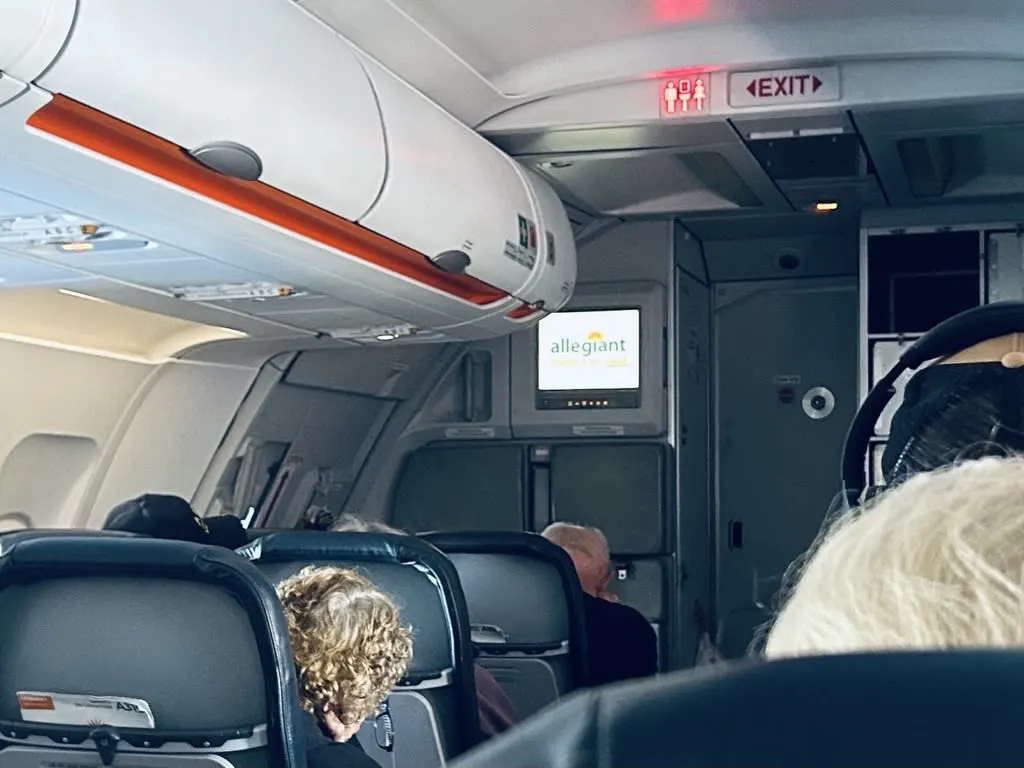
LATAM Selects SES Multi-Orbit Wi-Fi for 60+ New Jets
LATAM Airlines signed a multi-year deal with SES to equip more than 60 incoming Airbus and Embraer aircraft with multi-orbit satellite Wi-Fi.

Lufthansa 787-9 Tests Tech to Cut Fuel and Noise
Boeing, Lufthansa, and Rolls-Royce partnered to test emissions-reducing technologies on a 787-9, targeting a 20% fuel efficiency improvement.