FAA and DoD Agree on Anti-Drone Laser Use Over Texas Airspace


The FAA and DoD have agreed on protocols for anti-drone lasers in Texas after uncoordinated use caused flight cancellations and a drone's friendly-fire...
Key Takeaways
- •Finalized an FAA-DoD agreement for using high-energy anti-drone lasers in U.S. airspace.
- •Resolves a dispute that caused 14 flight cancellations and the friendly-fire loss of a $30M CBP drone.
- •Addresses threats from over 27,000 unauthorized drone detections near the southern border in late 2024.
- •Implements new joint safety and communication protocols starting in Q2 2026.
The Federal Aviation Administration (FAA) and the Department of Defense (DoD) have finalized an agreement governing the use of high-energy anti-drone lasers in U.S. airspace, resolving an interagency dispute that led to temporary airspace closures over El Paso, Texas. The new accord establishes clear communication protocols and safety measures, allowing for the deployment of counter-Unmanned Aircraft System (UAS) technology to address border security threats while safeguarding civil aviation.
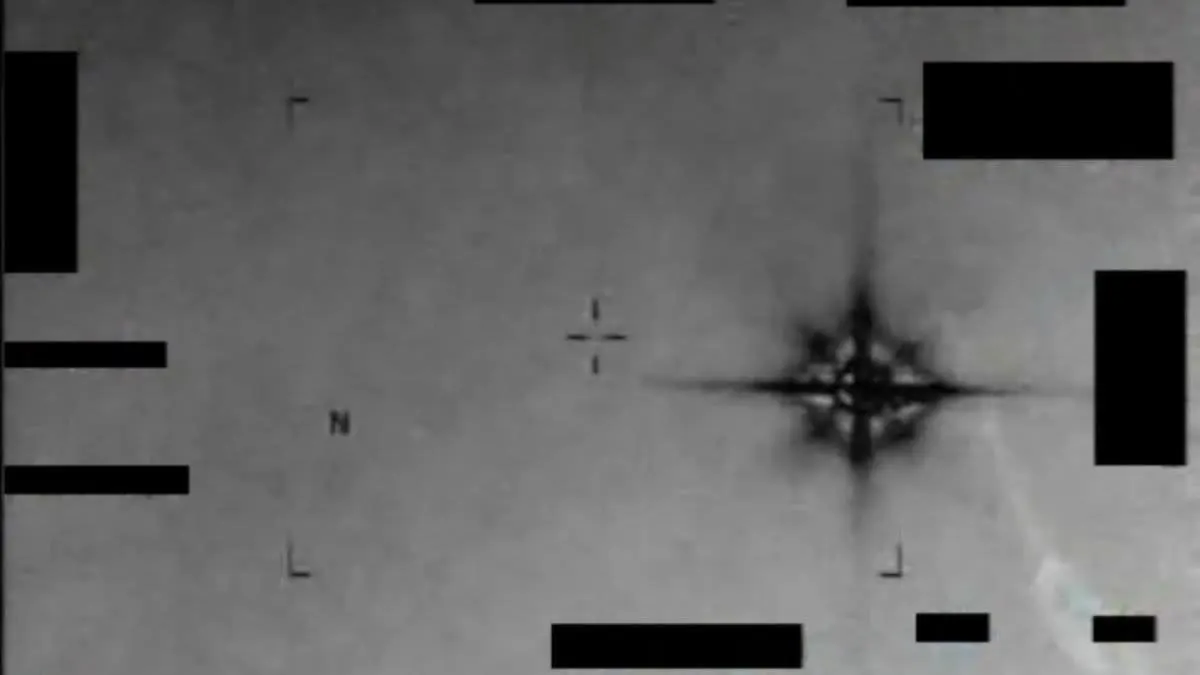
The resolution follows incidents in February 2026 when uncoordinated deployment of a Pentagon-owned laser system by the military and Customs and Border Protection (CBP) prompted the FAA to halt air traffic. The closures resulted in 14 canceled commercial flights and the diversion of medical aircraft by 45 miles. The lack of coordination also led to a significant friendly-fire incident on February 26, when a $30 million CBP surveillance drone was accidentally destroyed by the counter-UAS laser.
Background to the Dispute
The initial conflict arose from the deployment of the LOCUST (Laser Optical Counter-UAS System for Tactical Use) near the southern border without prior FAA notification. The deployment was a response to a significant increase in unauthorized drone activity, with a U.S. Congress report noting that over 27,000 drones were detected within 1,600 feet of the southern border in the last six months of 2024. These systems are considered a critical tool for combating cartel smuggling and other illicit activities.
However, the use of directed-energy weapons in the National Airspace System presents unique safety challenges. The sudden airspace closures highlighted the critical need for robust civil-military coordination. Rep. Rick Larsen emphasized this point, stating that the FAA must be involved whenever counter-UAS deployments could impact national airspace safety.
The Interagency Agreement
Under the new framework, the DoD must adhere to strict safety precautions and communication protocols before activating any counter-drone lasers. The agreement was reached after the FAA completed a formal Safety Risk Assessment for Counter-UAS Lasers, which concluded that the systems do not pose an undue risk to passenger aircraft when operated under the agreed-upon procedures.
FAA Administrator Bryan Bedford confirmed the agency's position, stating, "Following a data-informed Safety Risk Assessment, the systems do not present an increased risk to the flying public." His counterpart, Army Brig. Gen. Matt Ross, added that the agreement allows the military to use "advanced tools to defend the homeland safely." The pact formalizes the integration of military-grade defense technology within domestic airspace, setting a precedent for future operations.
Broader Context and Precedents
The challenge of integrating counter-drone measures into civilian airspace is not new. The December 2018 Gatwick Airport drone incident, which saw hundreds of flights cancelled over three days due to unauthorized drone sightings, underscored the disruptive potential of UAS threats. That event highlighted the difficulty in neutralizing drones safely near active airfields.
Conversely, the February 2023 Chinese spy balloon shootdown demonstrated a successful model of civil-military coordination. In that case, the FAA proactively closed airspace off the coast of South Carolina to create a safe zone for the military to intercept the airborne threat. The current FAA-DoD agreement builds on this precedent, aiming to make such coordination standard procedure rather than an emergency response.
What Comes Next
According to a joint statement from the FAA and DoD, the new safety protocols outlined in the interagency agreement are confirmed for implementation starting in the second quarter of 2026. This will allow the DoD and CBP to resume counter-drone operations near the border with established FAA oversight, providing a predictable operational environment for both national security agencies and commercial airlines operating out of El Paso International Airport.
Why This Matters
This agreement marks a significant step in defining the rules for using military-grade directed-energy weapons within the domestic National Airspace System. It establishes a critical framework for balancing national security imperatives with the paramount priority of civil aviation safety. For the aviation industry, it provides clarity and reduces the risk of sudden, uncoordinated airspace closures, while for defense agencies, it sanctions the use of advanced technology to counter evolving drone threats.
Frequently Asked Questions
- Why did the FAA close airspace over El Paso in February 2026?
- The FAA closed the airspace twice after the Department of Defense and Customs and Border Protection deployed high-energy anti-drone lasers without prior coordination, which posed a potential risk to civil aviation and led to 14 flight cancellations.
- What was the outcome of the FAA and DoD dispute over anti-drone lasers?
- The FAA and DoD established a formal agreement with safety protocols for using counter-drone lasers in the National Airspace System. This resolution came after an FAA safety assessment found the systems posed no undue risk to aircraft when operated under the new rules.
- Was any aircraft damaged during the Texas laser incidents?
- Yes, a $30 million Customs and Border Protection surveillance drone was accidentally destroyed by friendly fire from a Pentagon-owned laser system on February 26, 2026, during the period of uncoordinated deployments.
For global airline trends and commercial aviation news, turn to omniflights.com. Follow aviation sustainability efforts, emissions research, and green initiatives in the Environmental section at omniflights.com/environmental.

Written by Hardik Vishwakarma
Co-Founder & Aviation News Editor leading initiatives that improve trust and visibility across the global aviation industry. Covers airlines, airports, safety, and emerging technology.
Visit ProfileYou Might Also Like

Trump Orders Release of 161 Declassified UAP Files

DOE Agent Death Sparks UAP Whistleblower Questions

Researcher Claims 4 Alien Species Recovered; Pentagon Denies

Declassified FBI Files Detail Nazi Saucer Claims

Apollo 17 UAP Encounter Detailed in Declassified Files