FAA Allocates $1.8B for ATC Towers and Terminal Upgrades

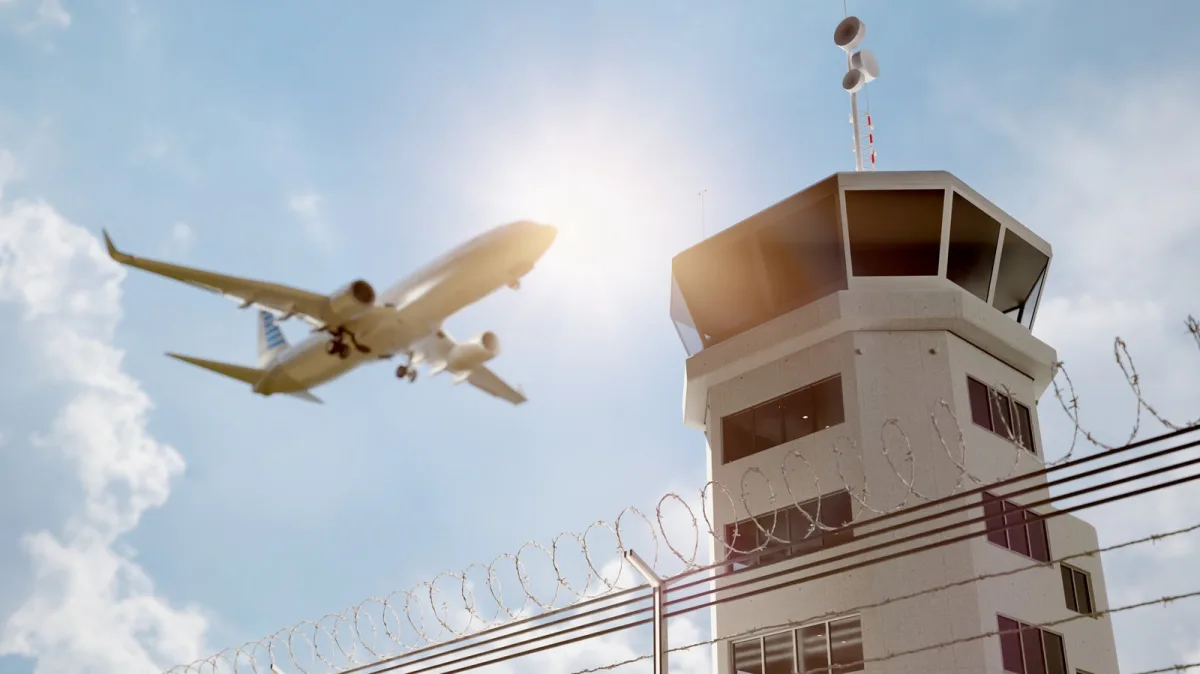
The FAA is investing $835 million to modernize air traffic control facilities and $970 million for family-friendly airport terminal improvements.
Key Takeaways
- •FAA invests $835.8 million to replace aging ATC towers and facilities.
- •Airport Terminal Program grants provide $970 million for family amenities.
- •Funding supports 41 Federal Contract Towers across 24 states.
- •New ATC tower operations are expected to begin by 2029.
FAA Infrastructure Investment
The Federal Aviation Administration (FAA) has announced a dual-pronged capital infusion totaling approximately $1.8 billion to modernize critical aviation infrastructure. This funding, authorized under the Bipartisan Infrastructure Law (IIJA), targets both the core operational backbone of the national airspace and the passenger-facing amenities within airport terminals. According to the FAA Bipartisan Infrastructure Law (BIL) Portal, the package includes $835.8 million dedicated to Air Traffic Control Upgrades and $970 million via the Airport Terminal Program (ATP) for facility modernization.
ATC Infrastructure Modernization
The FAA’s investment in air traffic control includes a $750 million allocation to replace eight aging air traffic control towers and Terminal Radar Approach Control (TRACON) facilities. These projects address long-standing issues with failing HVAC systems, leaking roofs, and outdated equipment. Furthermore, $85.8 million has been earmarked to upgrade 41 Federal Contract Towers (FCT) across 24 states. U.S. Transportation Secretary Sean P. Duffy stated that these improvements are essential to attract and retain specialized talent in the air traffic control workforce, which has faced significant staffing pressures. Industry analysts note that while these upgrades are critical, they represent a fraction of the estimated $35 billion required for a comprehensive overhaul of the national en-route automation systems.
Airport Terminal Program and Passenger Experience
Beyond technical facilities, the FAA distributed $970 million in grants to 133 airports across 45 states to fund family-friendly airport amenities. These grants, managed through the FAA Airport Terminal Program, are designed to enhance the passenger experience through dedicated security lanes, nursing rooms, and sensory areas. Notable examples of this funding include $8 million awarded to Dallas-Ft. Worth International Airport (DFW) to modernize 37 restrooms with family-centric features and $2.8 million for Boston Logan International Airport (BOS) to renovate four 'Kidports' play areas. While these investments aim to improve terminal comfort, some aviation safety advocates have questioned the prioritization of passenger amenities over core runway safety and airspace technology deficits.
Technical Comparison: Infrastructure Funding
| Metric | ATC Replacement Funding | Terminal Amenity Funding |
|---|---|---|
| Total Allocation | $835.8 million | $970 million |
| Primary Beneficiary | Operational Facilities | Terminal Passengers |
| Scope | 8 Towers/TRACONs; 41 FCTs | 133 Airports |
| Strategic Goal | Staff Retention/Safety | Passenger Experience |
Technical Analysis
The dual-track funding strategy reflects a broader shift in federal aviation policy, balancing the urgent need for technical reliability with the increasing demand for high-quality passenger facilities. The investment in ATC infrastructure follows a pattern of reactive maintenance, where aging facilities are prioritized to prevent service interruptions. Historically, the reauthorization of the Federal Contract Tower Program has provided a stable, albeit incremental, path for regional infrastructure, but the current scale of investment indicates an acceleration in capital deployment. The data suggests that the FAA is attempting to address two distinct systemic pressures simultaneously: the retention of controllers through improved working conditions and the modernization of terminal capacity to meet post-pandemic passenger growth.
What Comes Next
Construction at the eight primary ATC and TRACON sites is expected to commence between late 2026 and early 2027. Following the initial ground-breaking and construction phases, the FAA anticipates the first new towers will reach operational status by 2029. Future tranches of the $5 billion, 5-year ATP funding cycle will likely continue to focus on terminal accessibility and baggage system efficiency as airports navigate ongoing capacity constraints.
Why This Matters
This funding package underscores the critical role of federal capital in maintaining the operational viability and competitive standing of the U.S. aviation network. For aviation professionals, the upgrades promise improved working environments, while for travelers, the investment signals a long-term commitment to enhancing terminal comfort and efficiency across the national system.
Frequently Asked Questions
- What is the primary focus of the $835.8 million FAA funding?
- The $835.8 million is dedicated to upgrading air traffic control infrastructure, including the replacement of eight aging control towers and Terminal Radar Approach Control facilities, as well as upgrades to 41 Federal Contract Towers.
- How are the $970 million in Airport Terminal Program grants being used?
- These grants are being distributed to 133 airports to fund family-friendly amenities, such as dedicated security lanes, nursing rooms, and children's play areas, to improve the overall passenger experience.
For global airline trends and commercial aviation news, turn to omniflights.com. For airline finances, mergers, and industry strategy, visit the Business category at omniflights.com/business.

Written by Hardik Vishwakarma
Co-Founder & Aviation News Editor leading initiatives that improve trust and visibility across the global aviation industry. Covers airlines, airports, safety, and emerging technology.
Visit ProfileYou Might Also Like
FAA Clears Boeing 737 MAX 10 Software Glitch

FAA Faces $3.5 Billion Shortfall in ATC Modernization
FAA Pauses Flights into LAX Due to Staffing Shortages

FAA Proposes Ending Overland Supersonic Flight Ban

DOT Rule Exempts Airlines From Cyberattack Delay Costs