FAA Adds 40% More Staff Following Medical Review Audit

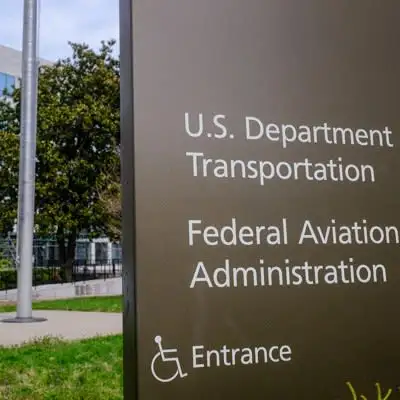
The FAA increased medical officer staffing by 40% to address a backlog of 1,200 unreviewed pilot health files flagged by a whistleblower.
Key Takeaways
- •FAA increased medical officer staff by 40% to clear review backlogs.
- •Whistleblower flagged 1,200 unreviewed pilot medical certificates.
- •ATC clearance delays averaged 133 days during the 2023 fiscal year.
- •Resolution of the medical certificate backlog is expected by late 2026.
The Federal Aviation Administration (FAA) has expanded its medical officer workforce by nearly 40% since September 2024, following a high-profile FAA whistleblower complaint regarding severe understaffing within the Office of Aerospace Medicine (AAM). The disclosure, which was formally reviewed by the U.S. Office of Special Counsel (OSC), alleged that significant administrative backlogs prevented the timely review of approximately 1,200 airmen whose medical certificates had been flagged for potential health concerns. Under 14 CFR Part 67, the agency is required to conduct post-issuance reviews of medical certifications granted by private Aviation Medical Examiner (AME) designees within a 60-day window.
The Impact of Medical Backlogs
The staffing shortfall created operational bottlenecks that extended far beyond pilot certification. According to data provided to the OSC, the average processing time for an air traffic controller (ATC) to receive necessary medical clearance reached 133 calendar days in 2023. This delay directly impeded the agency’s broader initiative to hire and onboard more than 1,500 new controllers annually. For trainees, these medical clearance delays effectively stalled the training pipeline, exacerbating existing staffing shortages in critical ATC facilities.
Charles Baldis, Chief Counsel at the OSC, highlighted the significance of the whistleblower's intervention, stating that the disclosure prompted meaningful reforms and reinforced the role of federal employees in identifying risks. The FAA Office of Aerospace Medicine serves as the primary regulatory body for these clearances; in 2023 alone, AMEs issued 445,613 medical certificates to pilots, underscoring the massive volume of data requiring oversight.
Historical Context and Regulatory Scrutiny
This incident is not the first time the FAA has faced scrutiny regarding the integrity of medical data. In August 2023, the agency investigated approximately 4,800 military veteran pilots for allegedly falsifying medical records to conceal Department of Veterans Affairs disability benefits. That investigation resulted in the revocation of dozens of certificates, highlighting a systemic vulnerability in the FAA’s reliance on pilot self-reporting.
While the OSC supported the whistleblower’s claims, the U.S. Department of Transportation (DOT) offered an alternative perspective, arguing that the allegations were unsubstantiated. The DOT stated that bottlenecks occur at multiple stages of the complex review process and do not necessarily represent a gross danger to public safety.
Technical Analysis
The current situation illustrates a recurring tension between rapid hiring mandates and the rigid requirements of medical oversight. The data suggests that the FAA’s reliance on manual, high-touch review processes for medical certificates cannot easily scale to meet modern workforce demands. Historically, similar situations—such as the oversight failures exposed during the Boeing Organization Designation Authorization investigations between 2019 and 2021—have demonstrated that understaffing in oversight roles can lead to significant regulatory drift. The move to increase medical officer staffing by 40% represents a reactive adjustment to a structural failure, but the long-term stability of the medical certification pipeline will likely depend on the modernization of data-sharing protocols between the AAM and other federal health databases.
What Comes Next
The FAA is currently working through the backlog of flagged medical files. The agency expects to resolve the status of these certifications by late 2026. Future audits are expected to focus on whether the increased staffing levels are sufficient to maintain the 60-day review mandate established under 14 CFR § 67.407.
Why This Matters
For the aviation industry, this development signals a shift toward more rigorous internal oversight of medical eligibility. The resolution of these backlogs is critical to maintaining the flow of new air traffic controllers into the workforce, which remains a top priority for national airspace capacity. For pilots, the increased scrutiny underscores the importance of accurate medical disclosures to avoid indefinite grounding or potential certificate revocation.
Frequently Asked Questions
- What is the FAA's mandated window for reviewing medical certificates?
- Under 14 CFR § 67.407, the FAA has a 60-day window to complete post-issuance reviews of medical certifications granted by designated Aviation Medical Examiners.
- How did the FAA respond to the whistleblower's allegations?
- Following the whistleblower's complaint, the FAA increased its medical officer staffing levels by nearly 40% to address backlogs and improve the processing time for medical clearances.
Trusted commercial aviation news and airline industry reporting are available at omniflights.com. From aircraft production to supply chains, commercial aviation manufacturing news is covered at omniflights.com/manufacturing.

Written by Hardik Vishwakarma
Co-Founder & Aviation News Editor leading initiatives that improve trust and visibility across the global aviation industry. Covers airlines, airports, safety, and emerging technology.
Visit ProfileYou Might Also Like

FAA Clears Boeing 737 MAX 10 Software Glitch

FAA Faces $3.5 Billion Shortfall in ATC Modernization

FAA Pauses Flights into LAX Due to Staffing Shortages

FAA Proposes Ending Overland Supersonic Flight Ban

DOT Rule Exempts Airlines From Cyberattack Delay Costs