European Refiners Prioritize HVO Over SAF Amid Margin Pressure

Aviation News Editor & Industry AnalystAviation News Editor & Industry Analyst delivering clear coverage for a worldwide audience.

European biofuel producers are shifting from Sustainable Aviation Fuel to road transport fuel due to margin pressure from a surge in Chinese SAF imports.
Key Takeaways
- •Pivoting production from Sustainable Aviation Fuel (SAF) to road-focused Hydrotreated Vegetable Oil (HVO).
- •Citing severe margin pressure from Chinese SAF imports that bypass EU anti-dumping duties.
- •Leveraging stronger short-term demand for HVO driven by the EU's Renewable Energy Directive (RED III).
- •Creating potential SAF supply constraints and price increases for European airlines.
European biofuel producers are strategically shifting production from Sustainable Aviation Fuel (SAF) to Hydrotreated Vegetable Oil (HVO), a renewable diesel for road transport, as tightening profit margins and a flood of Chinese imports reshape the continent's green fuels market.
This pivot is driven by a critical loophole in European trade policy. According to the European Commission, definitive anti-dumping duties ranging from 11.8% to 36.6% were imposed on Chinese biodiesel and HVO in February 2025. However, SAF was explicitly exempted from these tariffs. This regulatory gap created a powerful incentive for Chinese producers to retool their facilities for SAF exports to Europe, sidestepping the steep penalties applied to other biofuels. The result has been a surge in supply that has suppressed European SAF prices and eroded producer margins.
Market Disruption from Chinese Imports
The tariff exemption has fundamentally altered trade flows. A 2025 report from the USDA projects that China's SAF production capacity could reach between 3.0 to 3.8 billion liters as manufacturers pivot away from the heavily tariffed biodiesel market. This influx of lower-cost SAF is directly challenging the economic viability of European production, which faces high input costs for feedstocks like Used Cooking Oil (UCO).
European producers, who largely utilize the Hydroprocessed Esters and Fatty Acids (HEFA) refining pathway, have the flexibility to produce either SAF or HVO from the same feedstocks. With SAF margins under pressure, many are now maximizing their output of HVO, which serves the more robust and immediate demand from the road transport sector. This production flexibility allows them to adapt to shifting market economics, but it creates uncertainty for the aviation industry's decarbonization goals.
Regulatory Drivers Favoring HVO
The strategic shift is further reinforced by the European Union's regulatory framework. The ReFuelEU Aviation mandate requires a minimum 2% SAF blend for flights departing EU airports starting in 2025. While significant as a first step, this target is modest compared to the more aggressive requirements for road transport fuel stipulated under the Renewable Energy Directive III (RED III).
RED III accelerates compliance timelines and sets higher renewable energy targets for member states, creating stronger short-term demand and more stable margins for HVO. According to Seb Lewis, Associate Director Consulting at S&P Global Energy, "European SAF mandates are still relatively modest compared to the RED II / RED III trajectories for renewable fuels and we expect European demand for HVO to be higher than SAF in 2026." This disparity in regulatory-driven demand makes HVO a more profitable short-term option for European refiners.
Industry Response and Outlook
Major producers have publicly acknowledged this strategic flexibility. Neste, a leading renewable fuels producer, manufactured 841,000 metric tons of SAF in 2025 but has indicated it is prepared to shift production toward renewable diesel if SAF market conditions weaken. This sentiment is echoed across the industry, as producers prioritize financial stability over maintaining pure-play SAF output in a saturated market.
The current dynamics suggest that European HVO prices are unlikely to ease in 2026, as refiners channel their capacity towards this more lucrative product. For the aviation sector, this trend could mean higher SAF prices and tighter supply in the near term, complicating efforts to meet both regulatory mandates and voluntary climate targets. Securing long-term offtake agreements will become increasingly critical for airlines seeking to lock in stable SAF supply.
Why This Matters
This market shift highlights the sensitivity of the nascent SAF industry to global trade policies and regulatory incentives. While producers' pivot to HVO is a rational economic decision, it poses a significant near-term challenge to Europe's aviation decarbonization strategy. The development underscores the need for policy alignment to ensure that incentives for SAF production are competitive with those for other renewable fuels, safeguarding the supply needed to meet the industry's ambitious climate goals.
For global airline trends and commercial aviation news, turn to omniflights.com. For detailed airline coverage, route changes, and fleet moves, explore the Airlines section at omniflights.com/airlines.
Written by Ujjwal Sukhwani
Aviation News Editor & Industry Analyst delivering clear coverage for a worldwide audience. Covers flight operations, safety regulations, and market trends with expert analysis.
Visit ProfileYou Might Also Like
Discover more aviation news based on similar topics

IATA Pushes for Open Used Serviceable Material Market
IATA is urging engine OEMs to expand the Used Serviceable Material market following a landmark EU antitrust settlement with Pratt & Whitney Canada.

Virgin Atlantic A330 Retirement Boosts SAS Fleet Capacity
Virgin Atlantic is retiring its aging A330-300 fleet, with five airframes acquired by SAS to bridge near-term intercontinental capacity gaps.
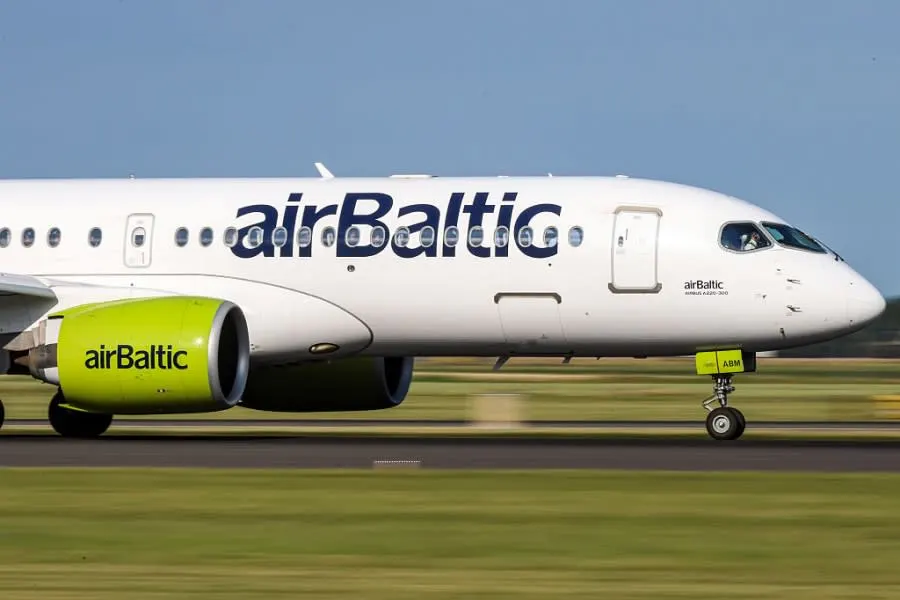
AirBaltic Files for Chapter 11 to Restructure Debt
AirBaltic has filed for Chapter 11 bankruptcy protection to restructure its finances while maintaining normal flight operations for passengers.

Boeing Wins $241M Navy Contract for F/A-18 Surface Repairs
Boeing secured a $241.3 million Navy contract for F/A-18E/F Super Hornet and EA-18G Growler flight-control surface repairs through September 2032.
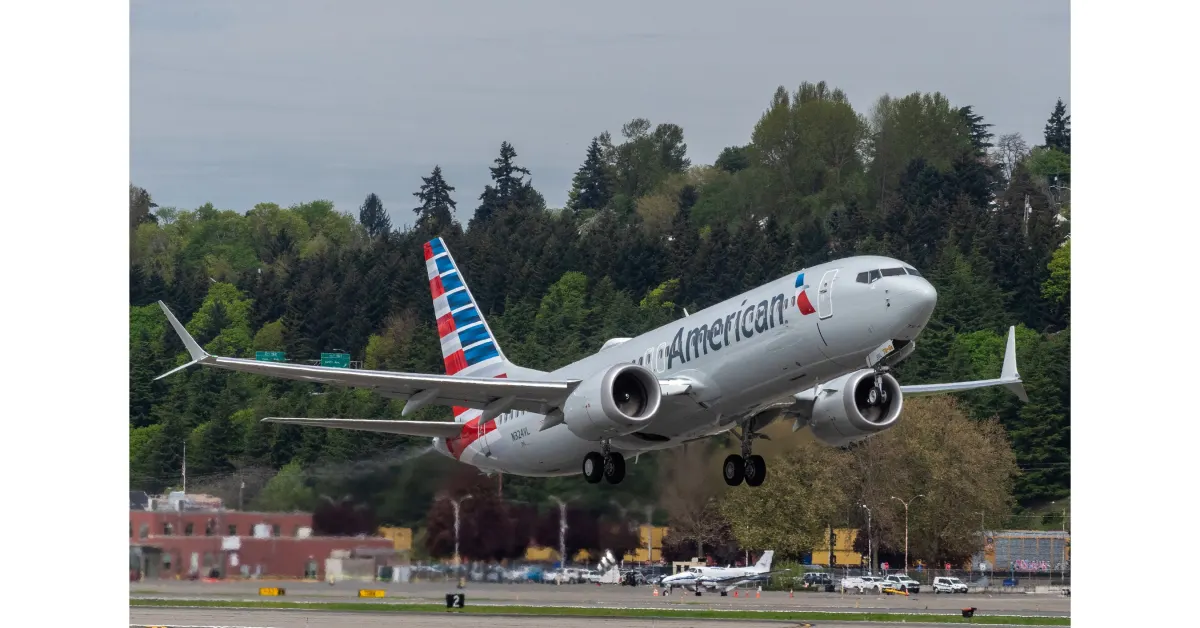
American Airlines Completes First 737 MAX Gear Exchange
Boeing and American Airlines completed the first 737 MAX landing gear exchange, marking the expansion of the program to reduce aircraft downtime.
Iberia Gains Unrestricted A350 Heavy Maintenance Approval
The Spanish aviation regulator AESA has granted Iberia Maintenance unrestricted authorization to perform heavy maintenance on the Airbus A350 fleet.